What if recurring weeds are a sign that mowing alone isn’t addressing what your lawn needs? In Nicholasville, crabgrass, dandelions, and other weeds can return even when the grass is cut regularly, leaving the yard looking uneven. A lawn weed control service may help, but the right approach depends on the weeds present, the condition of the grass, and the timing of any recommended care.
Before scheduling, it’s reasonable to ask what the provider will assess, what treatments might be recommended, and whether follow-up care is included. These details matter because a useful recommendation should reflect your property, not rely on a one-size-fits-all approach.
This guide explains what a professional weed control service may assess, what to ask about treatment timing and follow-up, and how to compare providers for your Central Kentucky home. You’ll also learn how fertilizer and weed control can fit into broader lawn care, and when aeration or overseeding may be worth discussing as separate services. Palisades Outdoor Solutions provides fertilizer and weed control, along with lawn care, aeration, and overseeding in Nicholasville and nearby communities.
What a Lawn Weed Control Service Does for a Central Kentucky Lawn
A lawn weed control service assesses and manages unwanted plants growing within maintained turf. The aim is to address weed concerns while supporting a more even-looking lawn, not to promise complete or permanent elimination. Appropriate next steps depend on which weeds are present, the condition of the grass, and what you want to improve.
Weed control supports lawn appearance, but it doesn’t replace mowing or broader turf care. Regular mowing keeps grass at a manageable height, but it doesn’t necessarily address why weeds are appearing or returning. In Central Kentucky, Kentucky bluegrass and tall fescue are common cool-season grasses, so the existing turf and its growing conditions matter when planning care.
Why weeds return in lawns around Nicholasville
Thin turf can leave open space for weeds, while disturbed soil and changing growing conditions may create new opportunities for them to establish. Homeowners in Central Kentucky may encounter crabgrass, dandelions, clover, wild violet, nutsedge, henbit, or chickweed. Seeing a particular weed doesn’t establish one cause by itself. If weeds keep returning, note where they appear and whether the nearby grass is thin or bare. That information can help guide a discussion about the lawn’s condition and growing environment instead of assuming one treatment will address every issue.
What professional weed control may include
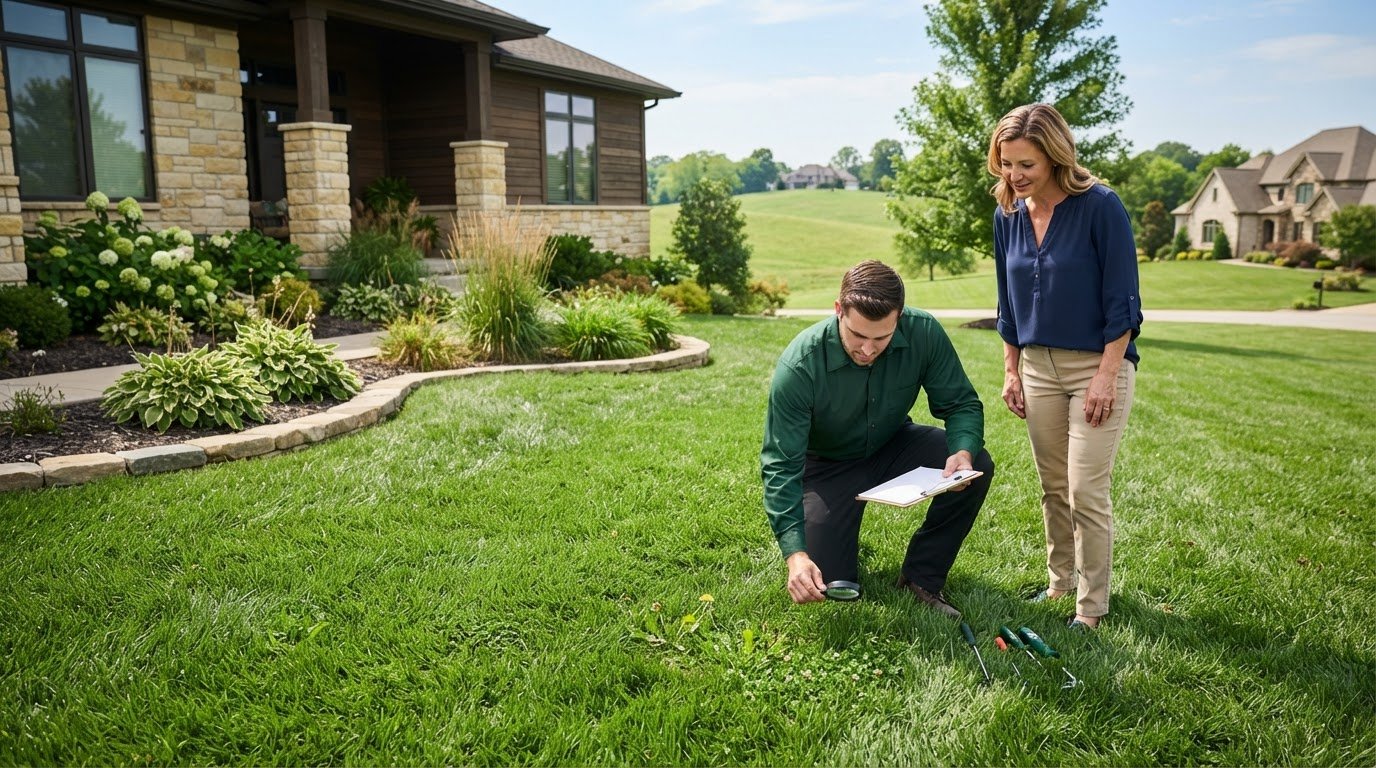
Before contacting a provider, note which areas have recurring weeds, how long you’ve noticed them, and what you want the lawn to look like. A provider can discuss those concerns and possible next steps, including treatment, timing, and follow-up. Ask which weed types and turf conditions the service addresses, and what is included before you schedule.
Weed-focused care is distinct from routine mowing and broader lawn maintenance. Palisades Outdoor Solutions provides fertilizer and weed control for homeowners in Nicholasville and nearby Central Kentucky communities. Review its fertilizer and weed control service to learn more about the offering. If thin or sparse turf is also a concern, ask whether separate aeration or overseeding services may be relevant.
How a Lawn Weed Control Provider Assesses Weeds and Turf
A sound treatment decision starts with understanding what’s growing and the condition of the surrounding grass. Two lawns can show similar weeds but need different next steps if one has dense turf and the other has bare patches or signs of stress. Diagnosis matters more than choosing a product first because the weed, turf, and growing conditions help determine what approach may be appropriate.
What a lawn assessment can reveal
A provider may look at where weeds are concentrated, how much turf covers the area, and whether bare or thin spots follow a pattern. These observations can help distinguish weed presence from possible underlying lawn stress, but they don’t prove its cause on their own. To make the discussion more useful, point out whether the weeds are isolated to one area or appear across the lawn, and whether the grass around them looks different.
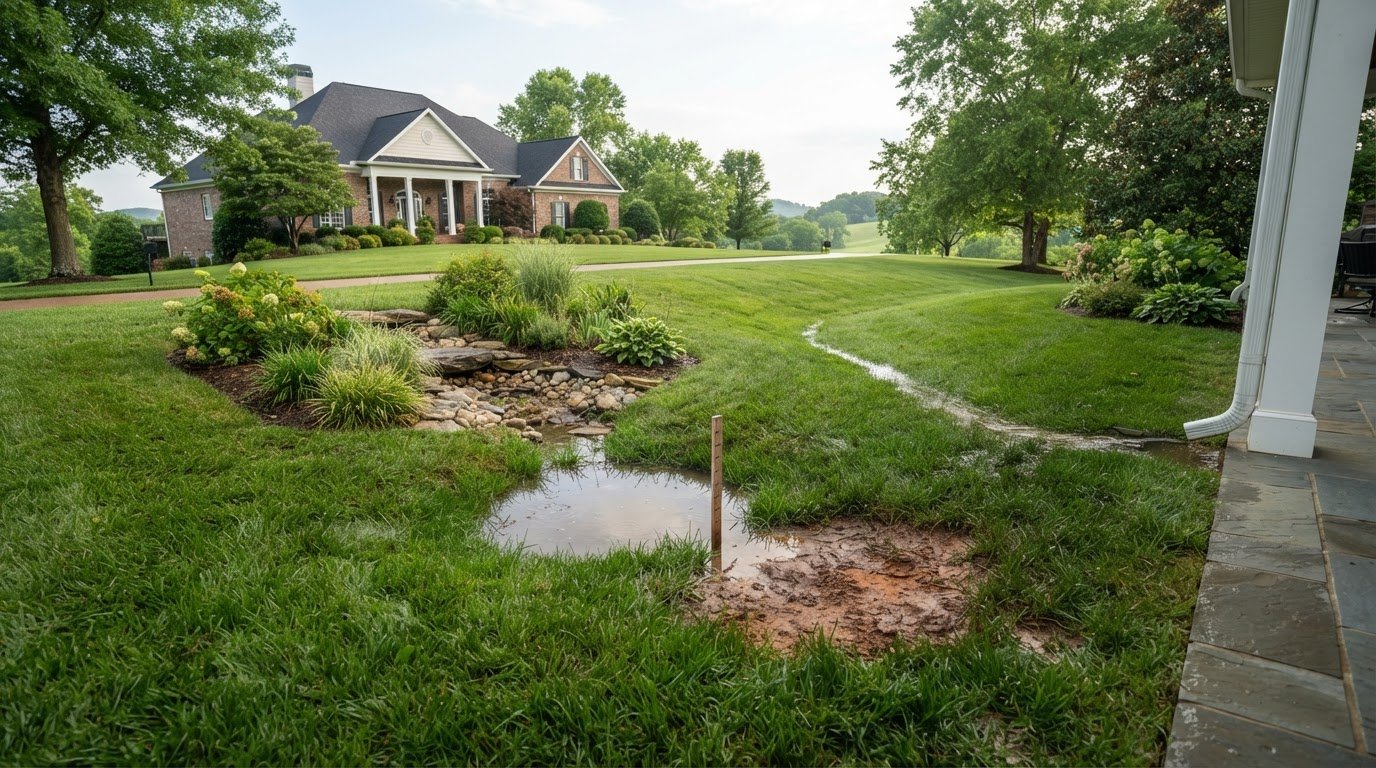
Bring useful context to the conversation: whether affected areas receive regular irrigation, how the lawn is mowed, and whether you’ve noticed changes in soil or drainage. Local weather and seasonal conditions can influence timing, so ask how they affect recommendations for your property rather than relying on a calendar date alone. The University of Kentucky Cooperative Extension’s lawn weed control guide provides Kentucky-specific information on weed identification and lawn-care practices.
Why a treatment plan should fit the property
Lawn size, turf condition, weed pressure, and homeowner priorities vary. You might be focused on a few recurring patches, while another homeowner wants to address widespread weeds and improve the lawn’s overall appearance. Ask what information shapes the recommendation, what work it covers, and which details still need confirmation.
For local lawn guidance, consult the University of Kentucky Cooperative Extension and check that seasonal recommendations are current. An on-site assessment may be helpful when the affected areas are difficult to identify or the turf condition is unclear. Avoid assuming a particular weed or lawn problem from appearance alone.
Before booking a lawn weed control service, ask whether the provider identifies the weeds and evaluates turf conditions, and how it determines timing and follow-up. Confirm Palisades Outdoor Solutions’ current assessment and service-planning process directly rather than assuming a specific procedure. If you’d like to discuss your lawn’s needs, you can contact Palisades Outdoor Solutions.
Professional Weed Control vs. DIY: How to Compare Your Options
Choosing between do-it-yourself care and a professional depends on your comfort identifying weeds, the time you can give lawn care, and the condition of your turf. DIY may offer more direct control over each step, while a provider can help assess the lawn and discuss suitable next steps. Neither option guarantees a weed-free lawn, and one visit shouldn’t be assumed to prevent weeds from returning.
The University of Kentucky's guide to lawn weed control offers Kentucky-specific information on weed identification, cultural practices, and herbicide use. Use regional guidance alongside the instructions for any product you choose, and ask a provider to explain how its recommendations fit your property.
| DIY may suit | Professional help may suit |
|---|---|
| You can identify the weeds, follow product directions, and make time for the work. | You’re unsure what’s growing or how to choose an appropriate next step. |
| The concern is limited, and you’re comfortable monitoring the lawn afterward. | Weeds keep returning, or you want to discuss a broader lawn-care plan. |
| You prefer managing product selection and application yourself. | You have limited time and want to ask about assessment, applications, and follow-up. |
When homeowners may prefer a professional service
Recurring weeds, uncertainty about identification, or a busy schedule can make professional help worth considering. A provider can discuss weed concerns and lawn conditions with you, then explain what service may involve. That conversation can help set realistic expectations, but it isn’t a promise of a particular result. Before comparing providers, confirm what each service includes, such as assessment, treatment, follow-up, and homeowner responsibilities.
Questions to ask before choosing a provider
Clear answers make it easier to compare the service itself rather than rely on broad promises. Ask:
- How do you identify the weeds and assess the turf before recommending next steps?
- Which applications, if any, are included, and what follow-up should I expect?
- Do I need to prepare the lawn or adjust mowing or watering?
- How will you communicate the treatment details and any changes to the plan?
- Can you provide the product label and explain application and re-entry guidance?
Details vary by provider and plan, so verify them before scheduling. If you’d like to discuss lawn care needs with Palisades Outdoor Solutions, contact the team.
How to Prepare for Lawn Weed Control Service in Nicholasville
A little preparation helps you explain what’s happening in your lawn and understand what the service involves. Before scheduling or a visit, note the recurring problem areas, gather what you know about the lawn’s care history, and clarify how the provider can access the property. Share details about mowing, watering, irrigation, and previous treatments when available. These clues add useful context, but they don’t replace an assessment.
Information to share before the first visit
Photos can help show where a concern appears or how it changes over time, but an image alone can’t confirm the weed or explain why it’s present. During the service discussion, mention any access restrictions, irrigation equipment, and areas used by children or pets. If you know what products were applied previously, share the names, approximate dates, and labels. If you don’t have those records, say so rather than guessing.
- Mark problem areas: Note where weeds recur and whether nearby turf looks thin or bare.
- Describe lawn care: Share mowing habits, watering patterns, and any recent changes you’ve noticed.
- Explain access needs: Identify gates, locked areas, irrigation components, or other property details the provider should know about.
- Gather treatment history: Provide previous product labels and timing when available.
For additional regional context, review the Kentucky weed control and lawn care guide from the University of Kentucky Cooperative Extension Service. Use it as a reference, then confirm service-specific directions with your provider.
What to clarify after treatment
Before work begins, ask what instructions apply after the specific treatment, if one is recommended. Confirm when to water or mow, and when people and pets may return to treated areas. These details depend on the treatment used, so follow the provider’s directions and applicable product label rather than assuming one set of precautions applies to every lawn.
Ask how you’ll receive instructions and whom to contact if anything is unclear. If the lawn also has a separate thin-turf or recovery concern, discuss whether aeration or overseeding may be relevant. These are distinct services, not automatic parts of weed control. Palisades Outdoor Solutions offers aeration and overseeding as lawn-care services. To discuss your lawn weed control service needs and what information to prepare, contact Palisades Outdoor Solutions.
Choosing a Local Lawn Weed Control Service and Taking the Next Step
A dependable provider should make it clear how the service fits your lawn, what work is included, and what you’ll need to know before and after treatment. Use this checklist to compare the details, not just a headline claim about results:
- Lawn assessment: Ask how the provider considers weed concerns and turf condition before recommending next steps.
- Clear service scope: Confirm what’s included, what isn’t, and whether any follow-up is part of the plan.
- Homeowner instructions: Find out what preparation is needed and what directions apply after any treatment.
- Follow-up communication: Ask how you’ll receive service details and where to direct questions.
Signs a provider communicates clearly
Look for specific explanations about assessment, included work, your responsibilities, and what happens next. A provider should be willing to discuss treatment details and answer questions without relying on broad promises or guarantees. When comparing options, weigh the full scope and quality of communication together. A confident claim alone won’t tell you whether the service addresses your concerns or fits your lawn-care priorities.
Discuss lawn weed control with Palisades Outdoor Solutions
Palisades Outdoor Solutions offers fertilizer and weed control for homeowners in Nicholasville and nearby Central Kentucky communities, including Lexington, Versailles, Lancaster, and Danville. When discussing your lawn, share your location, the areas where weeds are appearing, and the level of ongoing care you’re considering. Ask which weed types and turf conditions the service currently addresses, and confirm assessment, scheduling, and follow-up details directly.
If mowing is also part of your lawn-care needs, mention that when discussing the property. Aeration and overseeding are separate services that may be relevant if you have a distinct thin-turf or recovery concern. The goal is to get clear information and consider care that matches your property, without assuming one service or treatment is right for every lawn.
For a local lawn weed control service, start with a straightforward conversation about what you’re seeing and what you’d like to improve. Contact Palisades Outdoor Solutions about lawn weed control to discuss your lawn and request service information.
Choose Lawn Care That Fits Your Nicholasville Property
A dependable lawn weed control service starts with understanding the weeds and the turf around them. Before choosing a provider, ask how they assess your lawn, what the service includes, and what instructions or follow-up you should expect. Clear answers help you compare options and choose care that fits your property, rather than relying on broad promises.
Palisades Outdoor Solutions provides fertilizer and weed control for homeowners in Nicholasville and nearby Central Kentucky communities, including Lexington, Versailles, Lancaster, and Danville. Share where weeds are recurring and what you hope to improve, then confirm which service details apply to your lawn.
Contact Palisades Outdoor Solutions to discuss your lawn weed control needs and request information about service options. With a clear conversation and a lawn-specific approach, you can take a confident next step toward a more consistent-looking yard.
Frequently Asked Questions
What does a lawn weed control service include?
A lawn weed control service may begin with a conversation about the lawn, its problem areas, and the homeowner’s goals. The provider can identify concerns and discuss suitable next steps. Exact applications, follow-up, and homeowner instructions depend on the provider’s service and any products used. Before scheduling, ask what’s included, what isn’t, and what information you’ll receive so you understand the plan for your property.
How often should a lawn receive weed control treatment?
There’s no single treatment schedule that suits every lawn. Timing can depend on the weeds present, turf condition, local growing conditions, and the provider’s plan. Ask how the provider determines timing for your property and whether follow-up may be appropriate. For Kentucky-specific seasonal guidance, consult current information from University of Kentucky Cooperative Extension or another authoritative source, then confirm how that guidance applies to your lawn.
Is professional lawn weed control better than DIY?
The better fit depends on your time, confidence identifying weeds, and lawn-care needs. A professional can assess the property and explain a service plan, while DIY means you select and apply products according to their directions. Either option requires realistic expectations: neither guarantees a weed-free lawn. Compare the service scope, instructions, follow-up, and effort involved to decide which approach makes sense for your circumstances.
Can lawn weed control eliminate weeds permanently?
No single treatment should be presented as a permanent solution for every lawn. New weeds may appear as growing conditions change, and existing turf issues can contribute to recurring concerns. Ask what results are reasonable for your lawn, whether follow-up is recommended, and what routine care may support longer-term management. A clear explanation of limits is more useful than a promise that weeds will never return.
When is the best time to start lawn weed control in Kentucky?
The right timing depends on the weeds, turf condition, weather, and treatment being considered, so there isn’t one universal month for every property. Ask a provider familiar with Central Kentucky conditions how those factors shape the recommendation for your lawn. You can also check current guidance from University of Kentucky Cooperative Extension. Confirm that any seasonal advice matches the weed concern and treatment under discussion.
Should I mow or water before a weed control service visit?
Ask the provider before changing your mowing or watering routine. Preparation and after-care instructions depend on the service and any products used, so a universal schedule may not apply. Confirm whether mowing or watering should change before or after the visit, and follow the provider’s directions and applicable product label. If you’re unsure about an instruction, ask for clarification based on the actual treatment and your property.
Is lawn weed control service available in Nicholasville, Kentucky?
Palisades Outdoor Solutions lists fertilizer and weed control among its services and serves Nicholasville, as well as nearby Lexington, Versailles, Lancaster, and Danville. Confirm current availability, whether your address is within the service area, and what the service includes before scheduling. Share your location and the weed concerns you’ve noticed so the company can discuss relevant service information for your lawn.
What should I ask a lawn weed control company before hiring them?
Ask how the provider assesses the lawn, what the service includes, and whether follow-up is part of the plan. Clarify any preparation and watering, mowing, or re-entry instructions that apply to the treatment. Request straightforward explanations rather than guarantees, and compare providers by scope, communication, and fit for your property. If products are used, ask for the applicable label and guidance specific to the treatment. To discuss lawn weed control in Nicholasville, contact Palisades Outdoor Solutions.