A bag marked “winterizer” doesn’t automatically make late fall the right time to feed your lawn. A winterizer fertilizer application Kentucky homeowners choose should match the grass type, lawn condition, and nutrient needs, not just the season or product name. Applying at the wrong time or rate can add nutrients the turf doesn’t need.
It’s reasonable to feel unsure as temperatures cool. Kentucky lawns can include cool-season grasses, which may benefit from a late-fall feeding, and warm-season grasses that need nitrogen applications finished earlier. The University of Kentucky recommends a single fall nitrogen application for cool-season turf in late October to early November. Your lawn’s condition and soil test results still matter.
This guide covers how to identify the right application window, interpret a soil test and fertilizer label, and spread product carefully. You’ll also learn when another feeding may be unnecessary and when professional lawn care can help coordinate seasonal tasks. A few checks before you spread can help you make a measured decision as part of broader lawn care.
What Winterizer Fertilizer Does for a Kentucky Lawn
Winterizer fertilizer is a late-season lawn feeding, often marketed as the final fertilizer application before winter. The name alone doesn’t identify the right nutrient blend or rate for a particular lawn. A fall fertilizer application may happen earlier or serve a different purpose. In Kentucky, the University of Kentucky treats fall feeding as part of cool-season turf care, with timing and nutrient needs guided by grass type and lawn conditions.
As temperatures cool, cool-season grasses such as tall fescue and Kentucky bluegrass shift away from vigorous leaf growth. A properly timed feeding may support continued turf and root activity as the lawn prepares for dormancy, but it can’t guarantee a particular spring color or recovery. Fertilizer is one part of lawn care, not a substitute for mowing at an appropriate height, watering according to conditions, or addressing other lawn problems. Understanding what fertilizer is, including the nutrients represented by N-P-K on a label, can help explain why products aren’t interchangeable.
What does winterizer fertilizer do before winter?
The purpose is to supply nutrients the lawn needs during late-season growth, not simply to make it look greener before winter. University of Kentucky recommendations for cool-season turf include a late-fall nitrogen application, but the product and amount depend on the lawn’s needs. Follow the fertilizer label, and don’t assume that every product marketed as a winterizer suits every yard. The term describes a seasonal use, not a universal formula.
Which Kentucky lawns may need a late-season application?
Established cool-season lawns, including tall fescue lawns common in Kentucky, may be candidates for fall feeding when their condition and nutrient needs support it. Newly seeded turf has different establishment needs, while drought-stressed, damaged, or otherwise struggling grass may need attention beyond fertilizer. Applying nutrients without identifying the cause of poor growth can leave the underlying problem unaddressed.
Start with the lawn, not the bag. A soil test can help show whether nutrients are needed and reduce unnecessary applications; the University of Kentucky Cooperative Extension provides soil testing guidance for homeowners. Compare the results with the product’s nutrient analysis, application directions, and cautions. The right winterizer fertilizer application Kentucky homeowners choose should suit both the turf and the label. For help incorporating fertilization into ongoing care, explore fertilizer and weed control.
When to Apply Winterizer Fertilizer in Kentucky
For cool-season lawns, the calendar provides a useful guide, but lawn activity and ground conditions help determine whether a particular day is suitable. The University of Kentucky Cooperative Extension recommends a single fall nitrogen application in late October to early November. For a split schedule, it recommends an early-September application followed by another from mid-October to early November. These are guidance windows, not a reason to fertilize when the lawn or weather conditions are unsuitable.
Timing summary: For established cool-season turf, use late October to early November as the University of Kentucky’s general window for a single fall nitrogen application. A split program includes an early fall feeding and a second application from mid-October to early November. Follow current local recommendations and the product label, and don’t apply to frozen or saturated ground.
Which seasonal and lawn conditions signal the application window?
Cooling weather and slower leaf growth can signal that the lawn is entering its late-season phase, but neither is a precise trigger on its own. Cool-season grass may remain active as temperatures decline, and weather varies across Kentucky. Nicholasville homeowners should consider the turf’s growth and condition alongside the recommended window, rather than relying on a fixed date or the word “winterizer” on a bag.
Grass type matters, too. The fall schedule above applies to cool-season turf; warm-season lawns follow a different nitrogen schedule and shouldn’t automatically receive a late-fall nitrogen feeding. Before spreading, review the fertilizer label’s timing and application directions. The Purdue Extension lawn fertilization guide offers additional background on responsible fertilization of cool-season grasses.
When should you postpone a fertilizer application?
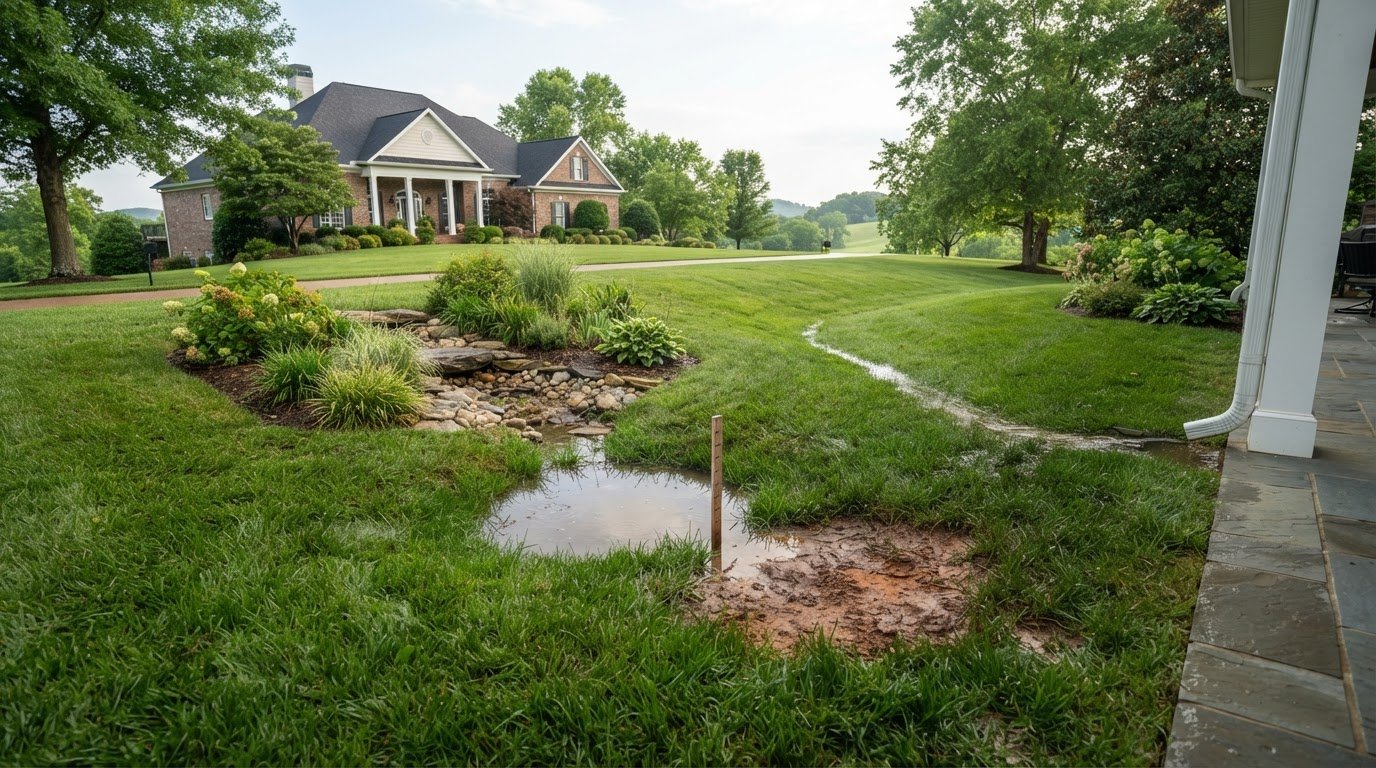
Wait if the ground is frozen, waterlogged, or too soft to support an even application. On frozen ground, nutrients can’t move into the soil as intended; saturated soil also increases the chance of runoff. Check the forecast before spreading. If heavy rain is expected, postponing can help reduce the chance that fertilizer washes off the lawn and into nearby areas. Follow any weather cautions on the label.
Conditions should be workable underfoot, and the turf should still be at the appropriate stage for the product and schedule. If the label or current local guidance advises against applying, hold off rather than trying to meet the calendar window. Palisades Outdoor Solutions provides seasonal lawn care for Nicholasville homeowners. Discuss lawn care timing as part of your property’s plan.
How to Apply Winterizer Fertilizer Without Uneven Coverage
Even coverage starts before the spreader is loaded. For a careful winterizer fertilizer application Kentucky homeowners should match the product to the lawn, follow the label’s rate and equipment instructions, and avoid spreading by guesswork. The bag’s directions take priority over generic settings or advice for another product.
What to check before loading the spreader
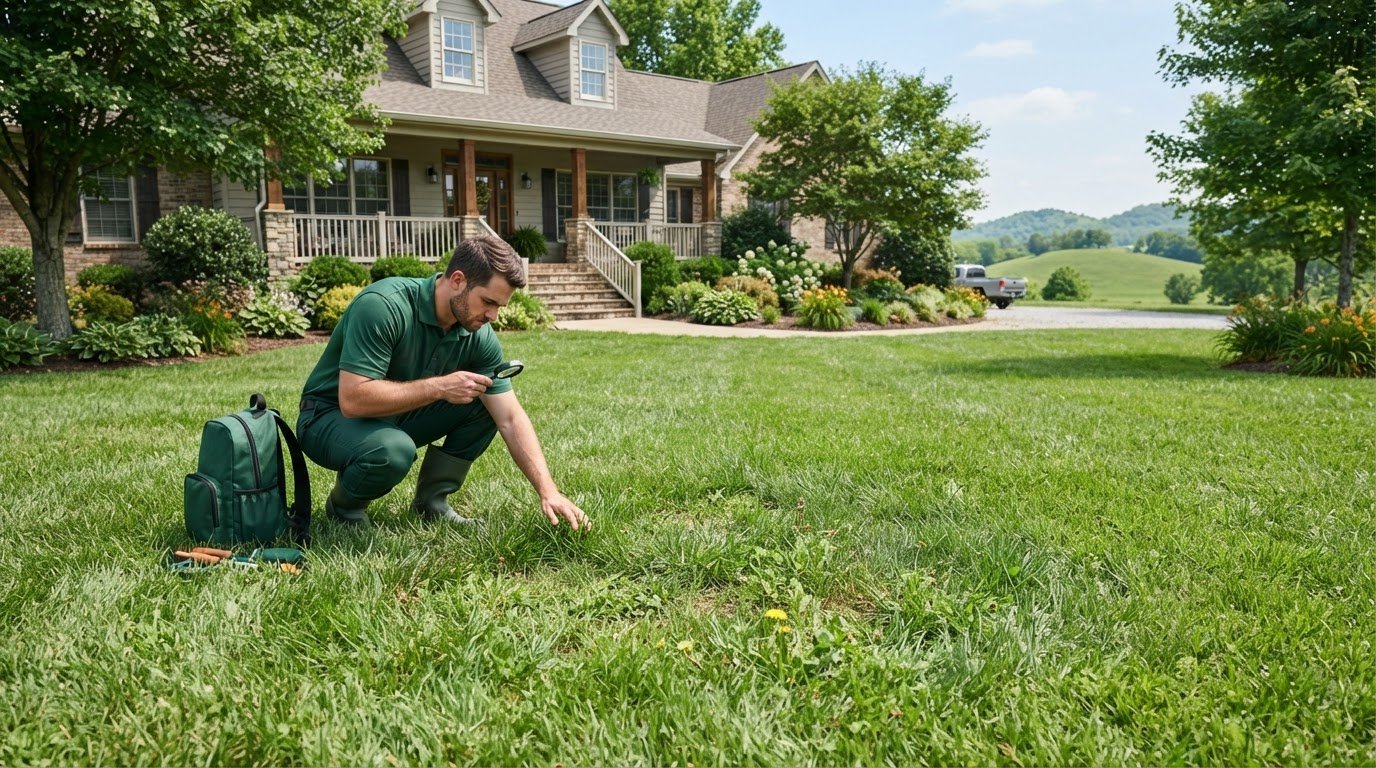
Walk the lawn first. Note thin or bare spots, newly seeded areas, and turf showing signs of stress, since those areas may need different care. Review a soil test if available, then check that the product is intended for your grass type and suits the lawn’s nutrient needs. Inspect the spreader for damage or blockages, and use the label and equipment instructions to set and calibrate it. If the directions don’t match your equipment, don’t guess at a setting.
How to spread fertilizer and care for the lawn afterward
Use this sequence to keep the application measured and consistent:
- Read the full label. Confirm the intended turf, application rate, spreader type or settings, and directions for watering, access, and precautions.
- Prepare the spreader. Check that it operates smoothly and calibrate it as directed for that product. Don’t substitute a setting from another fertilizer.
- Plan your route. Divide the lawn into manageable sections and identify edges, pavement, storm drains, and waterways before starting.
- Spread at a steady pace. Walk consistently and make straight, controlled passes. Follow the label’s coverage instructions to reduce missed strips, and avoid excessive overlap that could concentrate fertilizer.
- Finish with cleanup. Close the spreader when stopping or turning, then remove granules from hard surfaces according to the label. Follow its directions for watering and when people or pets may return to the treated area.
Keep fertilizer out of storm drains and waterways: prevent granules from reaching pavement, drainage inlets, ditches, or nearby water, and follow the product label for cleanup. Don’t hose spilled fertilizer toward a drain. Careful edge control and prompt cleanup help keep the application on the lawn where it belongs.
Uneven application often results from moving too quickly, using an incorrect spreader setting, or overlapping passes without a plan. If you find it difficult to spread consistently, professional lawn care can make seasonal attention easier to coordinate. Palisades Outdoor Solutions provides fertilizer and weed control for homeowners in Nicholasville and nearby Central Kentucky communities.
DIY or Professional Winterizer Fertilizer Application: How to Decide
Choosing between DIY and professional care depends on more than owning a spreader. Consider the time needed to assess the lawn, understand product directions, apply fertilizer evenly, and coordinate the work with other seasonal tasks. A sound winterizer fertilizer application Kentucky homeowners can manage themselves is possible, but it requires attention to the lawn’s needs rather than a guess based on the bag name.
| Consideration | DIY application | Professional lawn care |
|---|---|---|
| Time | You set aside time to inspect the lawn, prepare equipment, spread, and clean up. | Can suit homeowners who prefer seasonal lawn tasks handled as part of ongoing care. |
| Equipment | You need a suitable spreader in working condition and must follow the product’s setup directions. | Application is coordinated through a lawn-care service rather than your own equipment. |
| Label directions | You’re responsible for matching the product, rate, and instructions to your lawn. | Fertilization and weed control can be considered within broader lawn maintenance. |
| Lawn assessment | You evaluate turf condition and use soil information when available to guide decisions. | Professional care can help coordinate seasonal attention with the lawn’s condition and other tasks. |
When does a DIY application make sense?
DIY may be a good fit if you have a spreader that works properly, can apply the product evenly, and are comfortable interpreting its label. You should also be able to distinguish routine seasonal feeding from a response to thin, newly seeded, or stressed areas. Soil test results can inform nutrient choices, so avoid applying simply because a product is labeled for winter use.
Keep a simple lawn-care record: note the product, application date, area treated, and relevant label directions. This can help you avoid unplanned repeat applications and coordinate fertilizer with other work.
When can professional lawn care be helpful?
Professional care can help if equipment, application consistency, or scheduling several lawn tasks feels difficult to manage. Fertilization is one part of lawn maintenance; weed control may also be relevant, while aeration or overseeding should be considered only when the lawn’s condition and timing make them appropriate. See the company’s fertilizer and weed control services for details.
Palisades Outdoor Solutions provides lawn care and fertilization for homeowners in Nicholasville. Contact Palisades Outdoor Solutions to discuss your lawn’s needs and seasonal care.
Plan Winterizer Fertilizer Care with Palisades Outdoor Solutions
A sound winterizer fertilizer application in Kentucky starts with practical checks, not a product name or date alone. Assess the turf type and condition, review soil test information if available, choose an appropriate timing window, and follow the fertilizer label. If the lawn doesn’t need another feeding, applying fertilizer simply because the season is changing may be unnecessary.
How fertilizer fits into year-round lawn care
Winterizer is one possible part of a broader lawn care plan, not a stand-alone fix for thinning turf, weeds, or poor growing conditions. Mowing, watering, and attention to the lawn’s changing needs all contribute to routine care. Palisades Outdoor Solutions provides lawn care and mowing to help maintain properties through the seasons.
Other work may fit the plan when it suits the lawn. Aeration and overseeding, for example, are separate services that may be relevant to turf condition and seasonal timing. Coordinating those tasks with fertilization can help keep lawn care organized, but one treatment should not be assumed to replace another or guarantee a particular result.
Get help planning lawn care in Central Kentucky
Palisades Outdoor Solutions provides lawn care, fertilization, and weed control for homeowners in Nicholasville and nearby Central Kentucky communities, including Lexington, Versailles, Lancaster, and Danville. Professional care can help coordinate seasonal lawn needs instead of requiring you to manage each task separately. The aim is a measured plan that fits the lawn, not applying fertilizer by default.
Before deciding on a late-season application, note your grass type, visible lawn concerns, any soil test results, and fertilizer already applied this year. Those details help frame the next step and keep seasonal decisions grounded in your property’s condition. Palisades Outdoor Solutions provides ongoing lawn care to support seasonal maintenance. Learn about lawn care options.
Make a Measured Plan for Your Kentucky Lawn
A sound winterizer fertilizer application Kentucky homeowners consider should fit the grass type, lawn condition, and nutrient needs, not just the season. Check soil information when available, choose an appropriate timing window, and follow the product label carefully. Fertilizer is one part of lawn care, not a stand-alone fix or a promise of specific spring results.
Palisades Outdoor Solutions provides lawn care and mowing, along with fertilizer and weed control, for homeowners in Nicholasville and nearby Central Kentucky communities, including Lexington, Versailles, Lancaster, and Danville.
Contact Palisades Outdoor Solutions about lawn care to discuss your property’s needs. A thoughtful plan can help you care for your lawn through the changing seasons.
Frequently Asked Questions
When should I apply winterizer fertilizer in Kentucky?
For established cool-season lawns, the University of Kentucky recommends a single fall nitrogen application in late October to early November. A split schedule uses an earlier feeding in early September and a second from mid-October to early November. These are general windows, not fixed dates for every lawn. For winterizer fertilizer application Kentucky homeowners should also consider turf type, lawn condition, soil information, weather, and the product label.
Is winterizer fertilizer necessary for every Kentucky lawn?
No. A late-season feeding isn’t automatically needed for every lawn, and “winterizer” on a bag doesn’t prove the turf needs those nutrients. Grass type, current condition, previous fertilizer applications, and soil test results can guide the decision. Cool-season lawns may follow fall feeding recommendations, while warm-season turf has different nitrogen timing. If your lawn is healthy and its nutrient needs don’t call for fertilizer, an extra application may be unnecessary.
Can I apply winterizer fertilizer after the first frost?
A first frost alone doesn’t determine whether it’s too late. Consider whether the grass is still actively growing, whether the soil is workable rather than frozen, and whether you’re within the recommended window for your turf type. Don’t spread onto frozen or saturated ground, where fertilizer may not reach the soil as intended or may run off. Follow current University of Kentucky guidance and the product label before applying.
What fertilizer should I use for winterizer application?
Choose a product based on your grass type, soil test results, and the fertilizer label, rather than relying on the word “winterizer.” Check the label’s N-P-K analysis, intended turf, application rate, spreader directions, and precautions. Soil test information can show whether nutrients are needed, helping you avoid an unsuitable blend or unnecessary application. There isn’t one winterizer formula or rate that fits every Kentucky lawn.
Can winterizer fertilizer burn my lawn?
Yes, turf can be damaged if fertilizer is applied incorrectly, including at more than the label’s stated rate or unevenly in overlapping passes. Avoid guessing at spreader settings or applying extra to thin areas without checking whether the product is suitable for them. Calibrate the spreader according to its instructions, distribute granules evenly, and keep the product off pavement. If the lawn is stressed, assess its needs before applying.
Should I water my lawn after applying winterizer fertilizer?
Follow the specific fertilizer label, since watering directions depend on the product. Some labels may direct you to water after spreading, while others may give different instructions. Don’t assume all winterizer products should be watered in the same way. Check the weather and ground conditions as well, and avoid watering in a way that washes granules off the lawn or toward storm drains, ditches, or waterways.
Is professional fertilizer application better than doing it yourself?
Not necessarily. DIY can work if you can assess the lawn, interpret the product label, use suitable equipment, and spread evenly. Professional care may help if you prefer consistent seasonal attention or want fertilization considered alongside other lawn tasks. Palisades Outdoor Solutions provides lawn care and fertilizer and weed control for homeowners in Nicholasville and nearby Central Kentucky communities. The right choice depends on your time, equipment, and comfort managing the application.