The tallest screen isn’t always the best way to make a backyard feel private. A dense row of plants or a solid barrier can block a neighbor’s view, but it may also reduce sunlight, complicate access, or add upkeep. Effective backyard privacy landscaping in Nicholasville starts with the sightlines that matter and the way you use the space each day. If you’re searching for “backyard privacy landscaping Nicholasville,” begin by identifying which views make you feel exposed.
If neighbors can see your patio, garden, or play area, it’s natural to want more seclusion. The right approach depends on your yard’s layout, growing conditions, and priorities, not simply on adding the most screening possible.
This guide explains how to compare planting, built features, and layered approaches, then weigh their effects on maintenance, light, and the overall landscape. You’ll also learn what to consider in Central Kentucky, where site conditions can shape planting and construction decisions. With a clear plan, landscape design and construction can bring privacy into a cohesive backyard layout that feels welcoming and remains manageable over time.
Backyard Privacy Landscaping in Nicholasville: Identify What Needs Screening
An exposed patio can make it harder to relax, while a nearby window may look directly into a play area or garden. The answer isn’t always to screen the entire property. A thoughtful plan focuses on the views that affect daily comfort while preserving useful sunlight, clear paths, and an attractive layout.
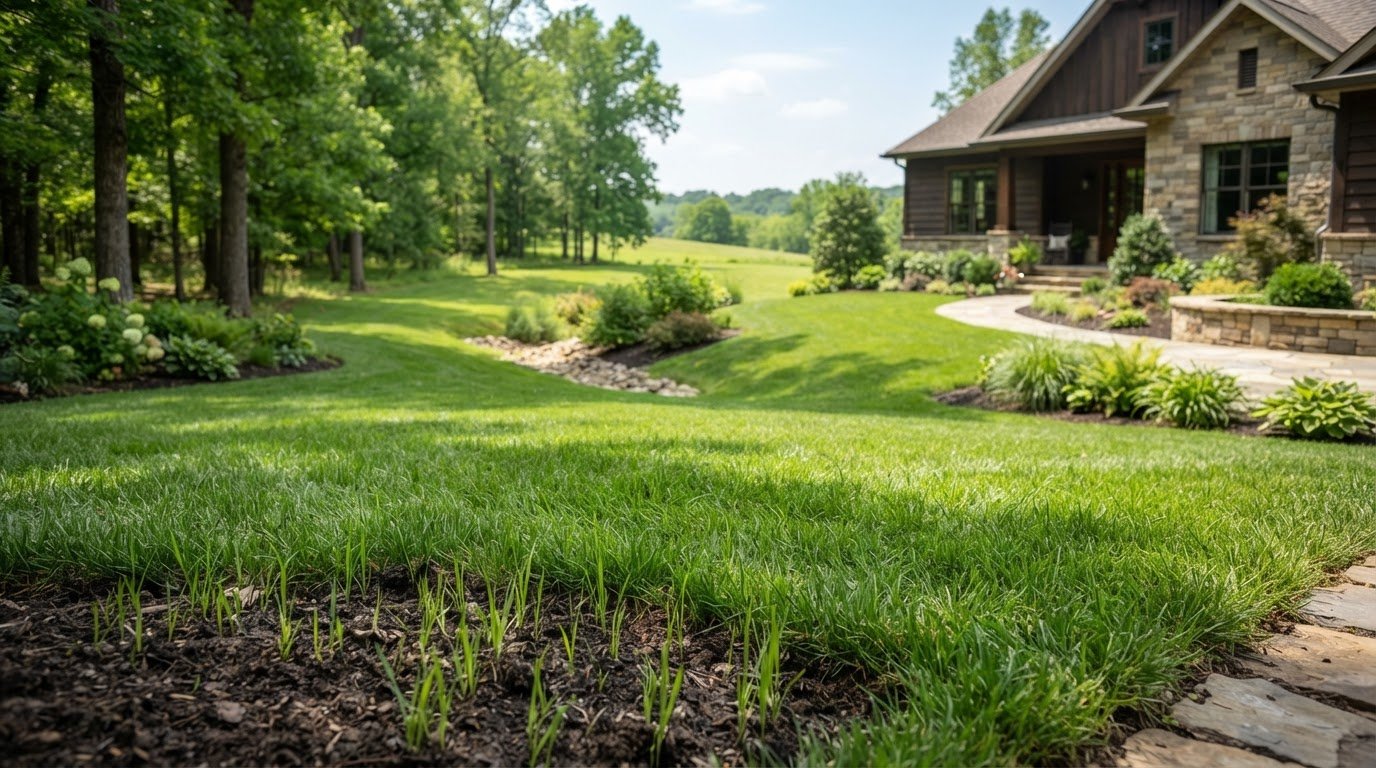
Privacy landscaping is site-specific screening integrated with the way you use your outdoor space. That may mean adding a visual buffer near a seating area while leaving a sunny lawn open. Landscape design can help organize those priorities into a coherent plan, guided by the principles of landscape design and the conditions of your yard.
Which backyard areas need the most privacy?
Start by looking out from the places where you spend time, then reverse the view. Check what can be seen from neighboring windows, elevated decks, sidewalks, and adjacent patios. Also look out from your own windows: screening may improve the view from inside the home as well as create comfort outdoors.
Rank areas by how much privacy they need. A dining or seating spot may call for more screening than an open lawn or garden path. Use this checklist to clarify your priorities:
- Map the sightlines: Note the viewpoints that look into the yard, including upstairs windows and raised outdoor spaces.
- Mark key-use areas: Identify patios, play spaces, and other places where exposure is most noticeable.
- Set a screening goal: Decide whether you want to block a direct view, soften it, or create separation without closing off the space.
- Preserve what matters: Record where sunlight, convenient access, and open views should remain.
This assessment helps distinguish a targeted privacy need from a desire to enclose the whole backyard. That distinction can guide a more balanced landscape design plan.
How Nicholasville site conditions shape the brief
Before choosing a screening approach, record the conditions where it would go. Note sun and shade through the day, drainage after rain, existing vegetation, and the space available for planting. In Jessamine County, soil can vary from clay to limestone, so conditions may differ across a single property and influence digging and plant selection.
Also mark slopes, property boundaries, paths, and underground utilities. These details affect where a screen can fit and how people will move around it. Contact Kentucky 811 to have underground utility lines marked before any digging project.
Treat local climate and plant suitability as design inputs rather than assumptions. Specific plant recommendations should reflect the site’s light, soil, and available space. Landscape design and construction bring these factors together, balancing the desired screening with access, comfort, and a cohesive appearance.
How Privacy Landscaping Works: Layering Plants and Design Around the Site
A planting screen can soften a view and make an outdoor area feel more settled, but it won’t necessarily hide everything right away. Layering combines plants of different heights and forms to interrupt direct sightlines while keeping the yard visually open. The goal is a balanced screen shaped around the specific view, not a dense wall of greenery across every boundary.
Built screens provide privacy right away; planted privacy develops as plants grow and fill their planned spaces. That difference matters if you want a change now as well as a landscape that matures naturally over time. A backyard privacy landscaping plan in Nicholasville can account for both by matching the screening method to the site and your timeline.
Evergreen and deciduous planting: different privacy trade-offs
Evergreen plants may retain screening through more of the year, while deciduous plants can provide seasonal coverage and allow different light conditions as their foliage changes. Either can contribute to a layered design, but the right choice depends on the view to screen, sun exposure, soil, and available room. Check local hardiness, mature dimensions, and site suitability before selecting specific plants. Davey Tree Expert Company’s overview of plants for privacy landscaping can help frame the options.
Layering screening without making the yard feel closed in
Think in depth, not just in height. Taller plants placed where they interrupt a neighbor’s view can form a backdrop, while lower planting in front softens the edge and helps the screen feel integrated with the yard. Leave openings where you want sunlight, a clear view, or easy access. Check sightlines from windows and seating before settling on placement, and keep usable lawn and walkways clear of expected growth.
Spacing is part of the long-term plan. Allow for each plant’s expected mature width rather than crowding specimens together for a fuller look on day one. Crowded planting can make pruning and access more difficult; considered spacing gives plants room to develop. Estimate maintenance realistically, too. A screen that needs frequent trimming may not suit a household seeking a lower-maintenance layout.
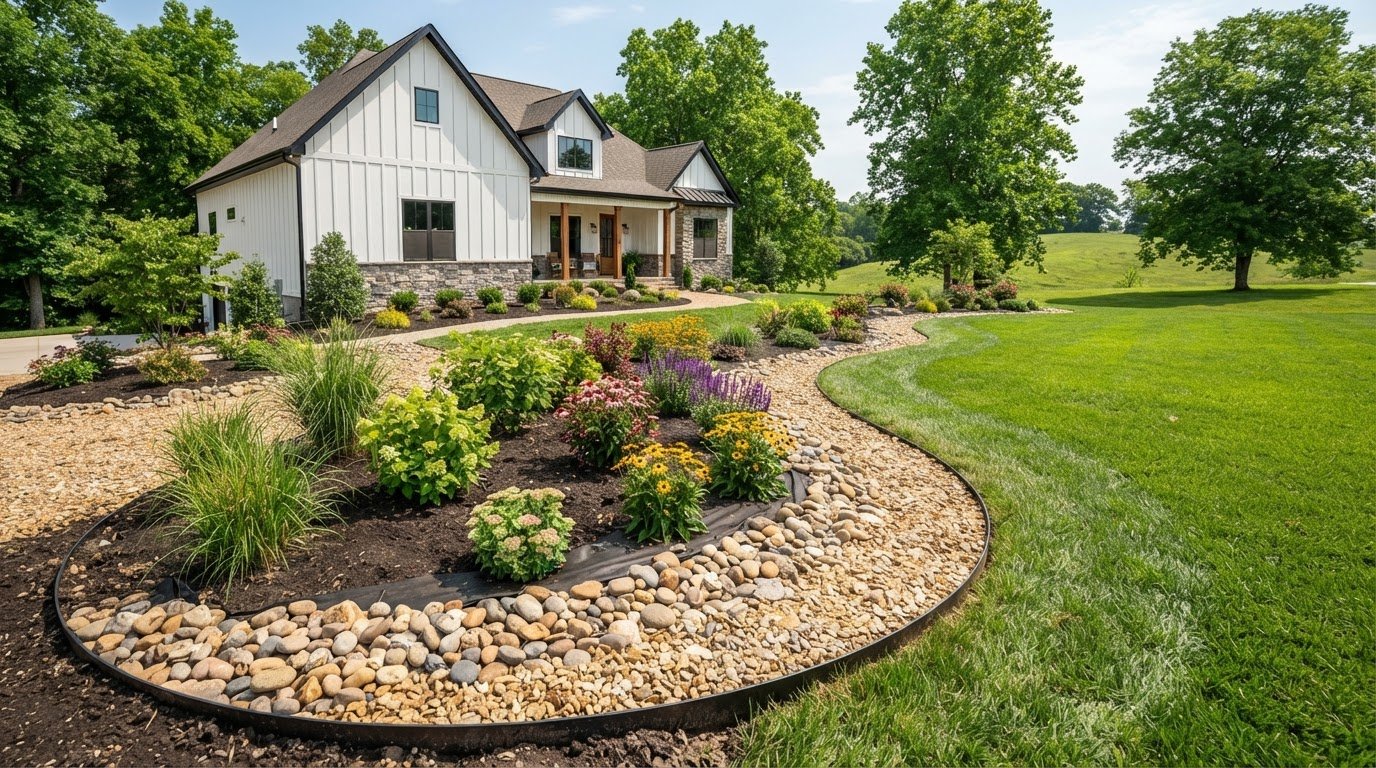
Mulch or rock can give the planting area a clean, finished edge and distinguish it from lawn or paths. These materials should complement the planting design, not substitute for choosing suitable plants or planning their mature size. Landscape design and installation can bring screening, circulation, and the surrounding landscape together in one coordinated plan. To turn your priorities into a site-specific layout, discuss your landscape design goals.
Compare Backyard Privacy Landscaping Options for Nicholasville Homes
Different screening approaches solve different problems. A focused border may suit one exposed seating area, while a layered landscape can soften views across a broader part of the yard. Existing features may already provide a useful starting point. Compare how each option fits the available space and the privacy you want, rather than assuming one method will work equally well on every property.
| Approach | Visual coverage | Time to establish | Space and seasonal performance | Maintenance |
|---|---|---|---|---|
| Layered planting | Softens views at multiple heights; coverage varies as plants mature. | Develops over time; not an immediate screen. | Needs depth for varied heights; seasonal coverage depends on plant choices. | May involve pruning, clearing, and care as plants grow. |
| Focused planting border | Targets a particular view or edge. | Builds as plants grow; coverage depends on placement and mature size. | Uses a defined strip; light and screening can change with the seasons. | Care is concentrated along the border. |
| Existing-feature enhancement | Builds on useful screening already on the property. | May improve the sense of separation without waiting for new plants to mature. | Can work where planting space is limited; performance depends on the feature. | Depends on the existing feature and any added planting. |
These are planning comparisons, not guarantees of complete visual coverage or noise reduction. A fence, wall, or other structure can be considered as part of a landscape layout, but its placement and scale should suit the property and local requirements. When planning backyard privacy landscaping in Nicholasville, weigh the actual sightline, available planting width, and desired upkeep together.
When a planting border is the right privacy approach
A focused border can address one clear view without enclosing the whole yard. It may fit beside a patio or along a boundary where a neighbor’s window looks toward a sitting area. Before choosing it, consider how much width is available, how high the screening needs to reach, and whether the location gets enough light for suitable plants. Leave practical access for routine care, too.
A narrow strip may call for a different layout than a deep bed. If the border would crowd a walkway or block a valued window view, adjust its position or reduce its extent. The best fit depends on the site, not on a promise of a particular coverage level or timetable.
When a layered landscape better fits the yard
Varying plant heights can interrupt direct views while keeping the backyard from feeling like a solid green wall. Compared with a dense single row, layering can create more visual variation and distribute screening through the landscape. It also calls for thoughtful spacing and maintenance planning, since several plant types may need different care as they mature.
Plan the finished layout first, including planting areas, paths, and any structural elements. Then coordinate construction and planting details with that design. Landscape construction services can help carry a cohesive plan into the outdoor space.
Plan a Backyard Privacy Landscaping Project: A Nicholasville Homeowner Checklist
A useful project brief turns a general wish for more privacy into decisions about placement, materials, planting, and care. For a backyard privacy landscaping project in Nicholasville, document how the yard functions throughout the day, not just how it looks from one viewpoint. A simple sketch and a few observations can help landscape design and construction account for the home, existing features, and your priorities.
Prepare a useful site and priorities checklist
Begin with a basic yard sketch. Mark windows, neighboring views, entrances, paths, patios, play areas, and the places where screening matters most. Add notes about sunlight, shade, drainage, and the condition of existing vegetation. Photos taken at different times can show how sun and shade shift across the areas you may want to screen.
- Map the views and uses. Mark the sightlines into the yard and the outdoor areas used for relaxing, dining, or recreation. Include views from inside the home.
- Record site conditions. Note sun and shade, standing water or runoff concerns, slopes, available planting space, and existing landscape features. Soil can vary across Jessamine County, so note areas that appear especially rocky, compacted, or difficult to plant.
- Rank your priorities. Decide what matters most, such as patio privacy, screening through more of the year, preserving sunlight, or keeping routine upkeep manageable.
- Sketch a working layout. Mark possible screening areas while preserving access, paths, and open space. Treat the sketch as a guide for planning, not a final planting specification.
Ranking priorities helps resolve trade-offs. For example, you may want a private seating area while keeping an adjacent lawn open and bright. Stating both goals gives the plan a clearer direction than simply asking for more screening.
Plan for establishment and ongoing care
Before finalizing a layout, account for how plants will mature and how the space will be maintained. Leave room to reach planting areas, water new plants as needed, and complete routine pruning or cleanup. Check that mature growth won’t crowd paths, windows, or nearby usable areas. Plant choices and placement should respond to local growing conditions, soil, drainage, and available sunlight.
Plan the bed finish alongside the planting layout. Mulch or rock can define screening beds and give them a tidy edge, but the choice and placement should suit the design and allow for ongoing care. Landscape maintenance is easier to plan when access and bed boundaries are clear from the start.
Think about how the backyard will function after dark, too. Lighting can support comfortable movement along paths and near seating without changing the privacy plan itself. Position it as part of the overall layout; outdoor lighting can complement the finished landscape.
Plan from sightlines and daily use through site conditions, layout, establishment, and ongoing maintenance. To turn your priorities into a coordinated project, discuss your backyard project.
Turn Your Nicholasville Privacy Plan Into a Cohesive Landscape Project
A comfortable backyard takes more than screening one view. The plan should connect privacy priorities with site conditions, circulation, seating, planting areas, and the amount of ongoing care you’re prepared to manage. That gives each element a purpose and helps the finished landscape feel like it belongs with the home rather than appearing as an isolated screen.
What a cohesive design can bring together
A cohesive design considers how people move through the yard, where they gather, and which views need softening. It can account for existing planting, slopes, paths, and other site features while organizing new landscape elements around them. Careful planning also leaves room for access and future maintenance, so screening doesn’t interfere with everyday use.
Palisades Outdoor Solutions provides landscape design and construction to organize outdoor projects around the property and your goals. The plan can also coordinate related work, such as mulch and rock installation and landscape maintenance. Outdoor lighting can support comfortable use of paths and gathering areas after dark as part of the wider layout.
For backyard privacy landscaping in Nicholasville, a clear design brief connects the desired screening with practical decisions: where beds fit, how people reach seating areas, and how the landscape will be cared for as it matures. The best arrangement depends on the specific yard, so plant choices and construction details should follow the site assessment rather than a one-size-fits-all template.
A practical next step for Nicholasville homeowners
Start the project conversation with the views that feel exposed and the ways you use the backyard. Mention which areas matter most, what you want to keep open, and any concerns about sunlight, access, or maintenance. A sketch or a few photos can help explain how the spaces relate to the home and to each other.
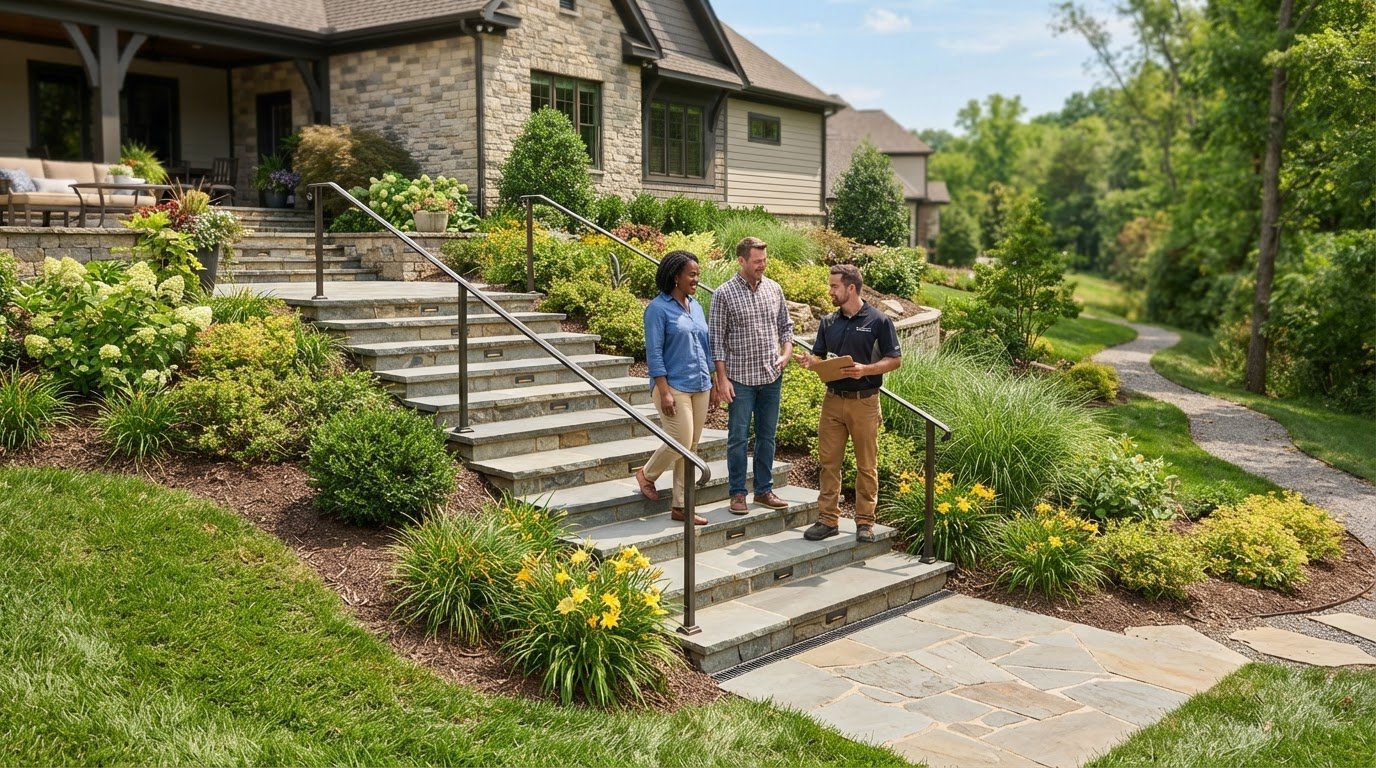
Landscape design and construction can organize those priorities into a connected project plan. Related maintenance, bed finishes, and lighting can be considered in context, so privacy goals support the backyard’s overall appearance and usability. A well-defined brief keeps attention on the decisions that matter to your household without assuming every part of the property needs screening.
If you’re ready to discuss your priorities and how you use the yard, discuss a backyard landscaping project with Palisades Outdoor Solutions.
Make Your Backyard Feel More Like Your Own
Privacy doesn’t have to mean shutting out the rest of the landscape. A well-planned screen can help a patio or gathering space feel more comfortable while keeping the backyard welcoming and practical. The next step is to turn your priorities into a design that fits your property and the way you want to use it.
For backyard privacy landscaping in Nicholasville, Palisades Outdoor Solutions can provide landscape design and construction, with landscape maintenance, mulch and rock installation, and outdoor lighting to support the broader plan. The right combination depends on your yard, your preferred level of upkeep, and the spaces you want to enjoy.
Share what feels exposed, what you’d like to keep open, and how your household uses the backyard. Discuss your backyard privacy landscaping project with Palisades Outdoor Solutions.
Frequently Asked Questions
Can landscaping create backyard privacy without making the yard feel closed in?
Yes. Screening can be concentrated where it blocks an uncomfortable view, leaving other parts of the yard open. For example, a homeowner in Nicholasville might orient a seating area away from a neighbor’s window and screen that specific sightline rather than enclosing the full property. Shape the plan around how your household uses the outdoor space.
How long does it take for privacy landscaping to provide screening?
There isn’t one reliable timeline because screening depends on the selected plants, their starting size, and how they establish in the specific yard. Distinguish what needs attention immediately from what can develop as planting matures. For instance, arrange outdoor furniture to make a seating area feel more comfortable while planned plants grow. Avoid choosing a design based on an assumed date for complete coverage.
Will backyard privacy landscaping block sunlight from my home or patio?
It can, particularly if tall planting is placed where it shades windows or a patio during the hours you use them. Track sunlight in those locations at different times, and note which areas already receive shade. That record can help distinguish a view that needs screening from a sunny spot worth preserving. Consider how the screen’s mature height and spread may affect light as the landscape develops.
Can privacy landscaping reduce noise from nearby homes or streets?
Landscaping may make a boundary feel softer and more enclosed, but it shouldn’t be treated as soundproofing. The experience of noise depends on the source, distance, and layout, so planting alone can’t promise a quieter yard. If sound is the main concern, separate that goal from visual privacy when defining the project. This helps keep expectations grounded and avoids selecting a landscape plan based on an assured noise-reduction result.
Does a backyard privacy planting need irrigation?
Some plantings may need supplemental water, especially while new roots establish, but needs vary with soil, exposure, weather, and plant selection. Rather than assume one watering schedule fits the whole yard, plan how water will reach the planting area and watch for drainage or runoff issues. Keep hose access or existing irrigation in mind during layout, and use plant-specific guidance to adjust care as conditions change.
How do I keep privacy landscaping from becoming difficult to maintain?
Set a realistic limit for the time and effort you want to spend on upkeep before settling on a design. List the tasks you’re comfortable doing, such as seasonal cleanup, and consider which areas need convenient access for care. In a Nicholasville yard, a neatly defined planting bed can also make routine mowing and edging easier to organize. Choose plants and an arrangement with mature size and site conditions in mind.