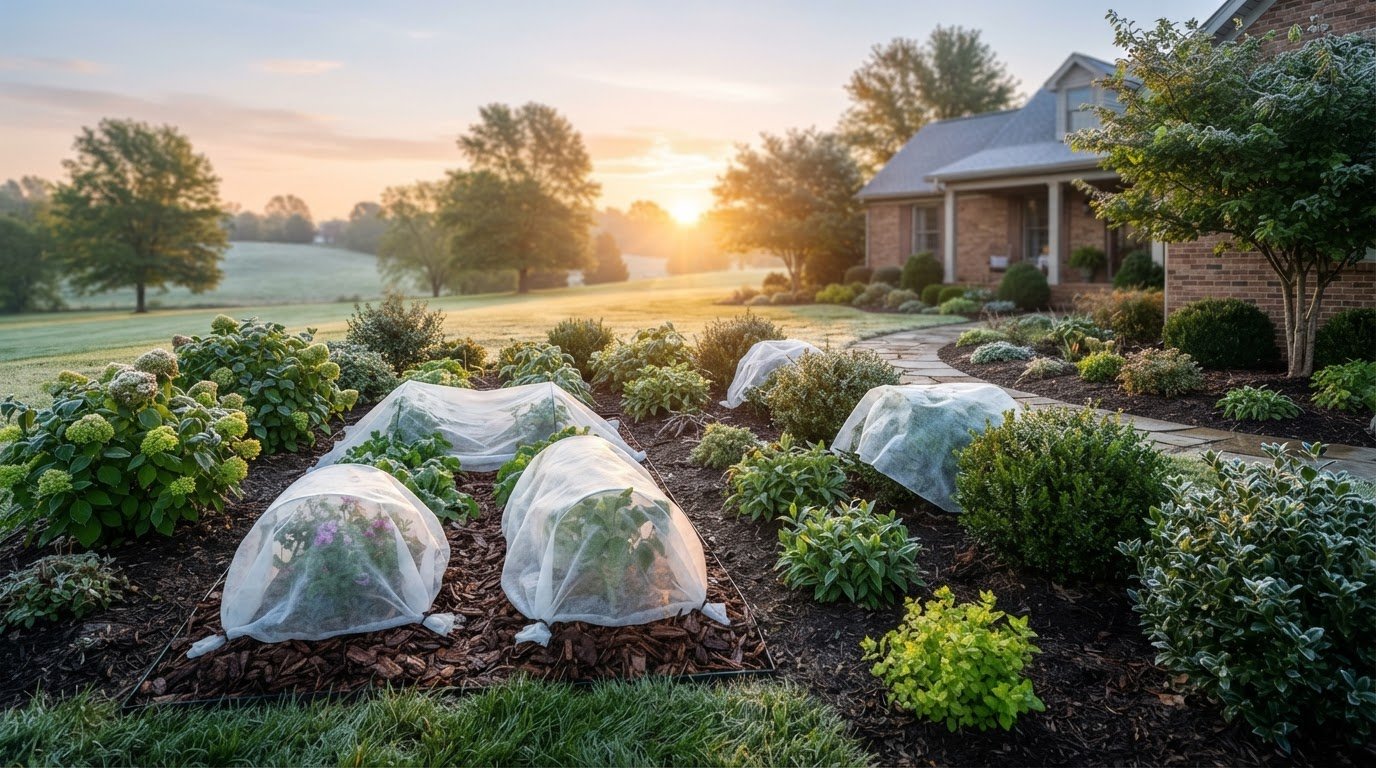
The best time for fall yard work in Nicholasville isn’t simply a date on the calendar. Generic seasonal advice can miss what your lawn, planting beds, and irrigation system actually need. FrostCal puts Nicholasville’s average first frost at November 1, with a 1-in-10 chance of frost as early as October 20. Use that range as a planning guide, then prioritize based on the weather and your plants’ condition. The right fall landscaping tasks for Nicholasville homes depend on both.
It’s easy to overlook a seasonal job or spend time on work that can wait. This checklist helps you prioritize by property area and timing, with practical guidance for lawn care, leaves, planting beds, and irrigation. You’ll also learn how to adjust your plan as temperatures shift and how recurring landscape maintenance can keep seasonal work on track. Palisades Outdoor Solutions serves Nicholasville homeowners with lawn care, landscape maintenance, and irrigation maintenance to support their properties as winter approaches.
Why Fall Landscaping Tasks Matter for Nicholasville Homes
Fall landscaping prepares your lawn, planting beds, and outdoor systems for colder weather. A useful definition is simple: a fall landscaping checklist is a property-specific plan for protecting plants, clearing hazards, and preparing outdoor areas for winter. Some jobs are essential, such as removing heavy leaf cover or addressing irrigation concerns. Others, including new planting or decorative updates, can be scheduled when conditions and priorities allow.
For fall landscaping tasks for Nicholasville homes, conditions matter more than a universal calendar. FrostCal gives Nicholasville an average first frost date of November 1, but frost can arrive earlier. Treat the date as a planning reference, not a deadline. Plant health, soil moisture, and the forecast can help you decide which jobs to prioritize.
For a general overview of how living features and outdoor spaces fit together, see Landscaping. The video below outlines common fall jobs to consider as you build a plan for your property.
How Nicholasville weather should shape your fall yard checklist
Watch local forecasts and inspect your property instead of scheduling every task by a fixed date. A wet stretch, dry soil, or early frost can change what needs attention. Jessamine County’s clay soils may absorb water slowly, so notice whether areas hold water before working the ground or adjusting irrigation.
For region-specific timing and plant care, consult current University of Kentucky Cooperative Extension guidance. Frost dates are averages, and drought conditions vary from season to season. Check current forecasts and soil moisture before deciding whether to water, plant, or protect sensitive growth.
Which fall yard tasks deserve attention first?
Start with issues that affect safety or plant health, then divide the remaining work by area. This separates essential care from optional improvements and makes it easier to spread tasks across several visits.
- Lawn: Clear excessive leaf cover that blocks light and traps moisture. Look for damaged or bare areas before planning additional lawn care.
- Planting beds: Remove debris that could smother plants, but check guidance for each plant before cutting it back or adding protection. Species have different needs.
- Outdoor systems: Check irrigation for leaks or water that remains in vulnerable areas, and plan seasonal maintenance where needed. Irrigation maintenance can address system concerns before winter.
Once urgent cleanup and protection are handled, consider optional planting or aesthetic work based on plant condition and the remaining weather window. Recurring landscape maintenance can help organize routine seasonal tasks, while larger changes can go into a separate plan. This sequence keeps the checklist practical without treating every yard or every fall the same.
Fall Lawn Tasks for Nicholasville Homes: A Practical Checklist
A healthy fall lawn needs steady attention, not a long list of automatic treatments. As part of fall landscaping tasks for Nicholasville homes , check what the turf is telling you: how much leaf cover has built up, whether the grass is still growing, and where bare or compacted areas appear. Use those observations to choose useful work rather than applying the same routine to every lawn.
Manage leaves and keep lawn surfaces clear
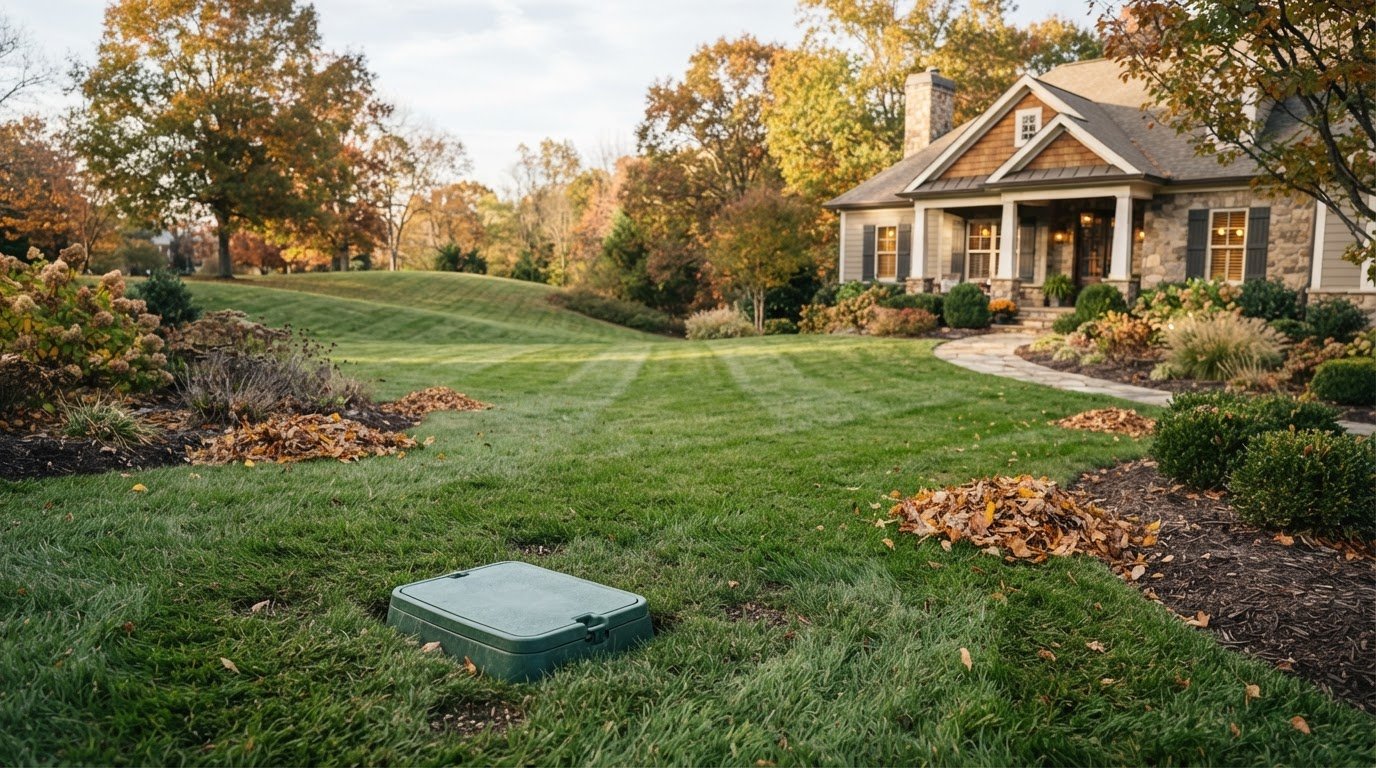
A thin, scattered layer of leaves may be manageable, but a dense mat can block light and hold damp material against the grass. Choose how to handle leaves based on the amount of cover and whether they’re dry enough to break down cleanly.
- Mulch a light layer when leaves are dry and your mower can chop them into small pieces without leaving clumps across the turf.
- Collect heavier accumulations if chopped leaves continue to cover the grass or gather in wet, matted patches. Keep piles off lawn areas until you can dispose of them appropriately.
- Separate questionable debris. If leaves or grass show signs of disease, avoid spreading them through the lawn or compost pile until you’ve checked University of Kentucky Cooperative Extension guidance for proper handling.
After clearing leaves, inspect lawn edges and areas beneath trees, fences, or outdoor furniture. These spots are easy to miss during routine mowing and may retain debris longer than open sections of the yard.
Assess mowing, aeration, and overseeding needs
Before adjusting mowing or planning lawn treatments, look at turf density, bare patches, and signs of compaction, such as worn areas where soil feels hard underfoot. Mow only when the lawn and ground conditions are suitable. Avoid working saturated soil, which can be damaged by foot traffic or equipment. Don’t assume one mowing height or treatment rate applies to every grass type.
Aeration and overseeding may suit some lawns, but the decision depends on turf condition and the right timing for the grass. The Kentucky lawn aeration and overseeding guide provides task-specific details. For soil care, note areas that drain slowly or stay unusually dry, and use soil-test results rather than guessing at amendments or fertilizer needs.
Use a quick lawn checklist
- Check for leaf buildup and clear areas where turf is covered.
- Look for bare patches, thin growth, compaction, and visible damage.
- Choose mulching or collection based on leaf volume and lawn conditions.
- Base mowing and soil treatments on current growth, grass needs, and reliable guidance.
- Consider whether aeration or overseeding fits the lawn’s condition before scheduling either task.
Recurring lawn care and mowing can keep routine checks and seasonal work on track. If you’d like support organizing lawn maintenance for your Nicholasville property, discuss your lawn care needs.
Fall Planting-Bed and Irrigation Tasks to Check Around the Home
Planting beds and irrigation need different kinds of fall attention. General cleanup can tidy beds and remove material that’s in the way, but plant care depends on what’s growing there. For fall landscaping tasks for Nicholasville homes , check each bed and outdoor system before deciding what to remove, protect, or maintain.
A useful distinction: fall bed cleanup addresses shared conditions, while plant-specific care follows the needs of each species. Removing spent annuals or loose debris doesn’t automatically mean cutting back every perennial or shrub. When a plant’s care is uncertain, use current University of Kentucky Cooperative Extension recommendations for guidance.
Prepare planting beds without overworking them
Look for spent annuals, weeds, fallen leaves, broken stems, and signs of visible damage. Remove debris that smothers plants or makes it difficult to inspect the soil, but sort it before disposal. Healthy plant material may be suitable for composting, while diseased or pest-affected debris may need different handling. Follow local extension guidance rather than adding all garden waste to a compost pile.
Compost and mulch serve different purposes, and neither is needed in the same way in every bed. Consider soil condition, existing mulch, and plant needs before adding material. Mulch can provide a protective layer, but excessive depth or placement against stems and trunks can cause problems. Follow local recommendations for appropriate depth and placement.
Autumn planting or bulb planting can be worthwhile when the species and remaining conditions suit the job, but these are optional projects, not required cleanup. Don’t prune every plant simply because the season is changing. Check species-specific recommendations first, especially if you’re unsure whether stems provide winter protection or have other value.
Inspect irrigation before freezing conditions arrive
Walk the property while the system is operating, if conditions allow, and look for visible leaks, broken sprinkler heads, or water pooling around irrigation components. Note areas that remain unusually wet or appear to receive uneven coverage. These observations can help identify maintenance needs before colder weather without guessing at a repair or system setting.
Winter preparation varies with irrigation-system design. Follow the system’s instructions for seasonal shutdown, and don’t assume every system uses the same procedure. If you spot a problem or need help preparing the system, Palisades Outdoor Solutions provides irrigation maintenance as part of seasonal care.
- Remove spent annuals and inspect beds for weeds, debris, and visible damage.
- Separate healthy material from diseased debris before deciding how to dispose of it.
- Base compost and mulch decisions on bed conditions and reliable plant-care guidance.
- Check irrigation components for leaks, damaged heads, and standing water.
- Follow system-specific instructions for winter preparation.
A measured inspection helps you focus effort where it’s useful and avoid unnecessary cutting or covering. For help planning seasonal landscape or irrigation maintenance, share your property’s maintenance needs.
Fall Landscaping: Timing Based on Weather and Yard
A useful fall schedule is flexible. The same task may be suitable one week and unwise the next if rain saturates the soil, dry conditions stress plants, or frost is approaching. For fall landscaping tasks for Nicholasville homes, use a repeatable sequence to decide what needs attention now and what can wait, rather than treating a calendar date as a deadline.
A simple sequence for organizing the fall checklist
Start with a property walk-through and note concerns in three areas: lawn, planting beds, and irrigation or other outdoor systems. Mark urgent issues, such as a visible leak or a task tied to approaching frost, separately from cosmetic work. Check the forecast and current conditions before choosing a workday, then consult University of Kentucky Cooperative Extension guidance for regional plant-care recommendations.
- Inspect: Walk the yard and record visible damage, accumulated debris, thin lawn areas, and irrigation concerns.
- Prioritize weather-sensitive work: Consider forecast frost, soil moisture, and whether plants are actively growing. Schedule planting or other species-dependent care only when current regional guidance supports it.
- Complete routine cleanup: Handle appropriate lawn and bed maintenance when the ground is suitable for foot traffic and equipment.
- Reassess: After the work, check for remaining debris, new damage, or system issues that appeared as conditions changed.
This order keeps important maintenance visible without requiring every project to happen at once. Routine landscape maintenance can also help homeowners organize recurring seasonal work as the weather changes.
What to do when fall conditions are unusually dry or wet
Let the ground guide your next step. After heavy rain, postpone work that would compact or rut soft soil, and avoid running equipment across saturated turf. If conditions are dry, check plants and soil before deciding whether watering or planting is appropriate. Persistent dryness and excessive moisture can affect plants and tasks differently, so don’t assume one response fits the whole property.
Frost forecasts can also change priorities. If a cold night is approaching, focus first on protection or other care recommended for the specific plants in your yard. Don’t rush planting, pruning, or soil work just to complete a checklist. Check current forecasts and University of Kentucky Cooperative Extension resources for updated guidance on frost, drought, and local soil conditions.
Use the final walk-through to distinguish unfinished essential work from improvements that can wait for a better window. A system concern or a plant-care task with a weather-sensitive window may deserve attention before a purely decorative update. If rain delays soil work, use that time to review plant-specific recommendations or note areas to inspect again once the ground firms up.
Keeping notes from each visit can make the next decision easier. Record which areas stayed wet, where plants showed stress, and what remains to be done. For a consistent maintenance plan that adapts to your property’s seasonal needs, landscape maintenance can keep routine work on track. Plan seasonal maintenance for your Nicholasville property.
Turn Your Nicholasville Fall Checklist into a Manageable Yard Plan
A seasonal checklist is most useful when it leads to clear decisions, not a longer to-do list. Review each item and mark it complete , defer , or seek help . This simple status check shows what’s finished, what depends on better weather, and which tasks may need more time, equipment, or experience.
Use your property’s condition to set priorities. A concern that affects lawn health or irrigation function deserves attention before an optional design update. Not every fall task needs professional service, though. Match each job to its urgency and complexity, then keep the plan flexible as forecasts and yard conditions change.
Decide which tasks to handle yourself and which to delegate
Consider the task’s scale, the time you can set aside, the equipment it requires, and how confident you feel completing it correctly. A small area of light cleanup may be easy to handle yourself, while recurring mowing, broader landscape maintenance, or irrigation concerns may be easier to manage with ongoing support. Choose based on the work, not an assumption that every seasonal chore needs help.
Palisades Outdoor Solutions provides Nicholasville homeowners with lawn care and mowing, landscape maintenance, and irrigation maintenance. Recurring care can make routine work more predictable and help keep seasonal needs from accumulating. You can still handle smaller jobs independently and arrange support for the work that best fits your property.
Make a short plan for the remaining season
Write down the specific issue, where it is on the property, and what needs to happen next. Revisit your notes as conditions shift. If the ground is too wet for lawn work, defer that task and use the time to review plant-care guidance or plan another suitable job. Keep essential maintenance ahead of optional planting or design projects.
A short plan might include a near-term task, a weather-dependent item to revisit, and a project that can wait. This keeps priorities visible without locking you into dates that may no longer suit the forecast. Once work is complete, update the list so you carry forward only genuine remaining needs.
- Complete: The task is done, and you can note any follow-up to watch for.
- Defer: Conditions, plant guidance, or available time make another window more appropriate.
- Seek help: The job is larger than expected, needs equipment you don’t have, or involves a system you’re unsure how to maintain.
A practical plan for fall landscaping tasks for Nicholasville homes balances seasonal priorities with the condition of your own yard. If recurring lawn, landscape, or irrigation maintenance would make the remaining work easier to organize, contact Palisades Outdoor Solutions to plan your outdoor maintenance.
Make Seasonal Yard Care Easier to Maintain
A useful fall plan can also become a starting point for next season. Keep a short record of recurring concerns, such as areas that need regular attention or parts of the yard that respond differently to changing weather. Those notes can help you make more informed choices the next time seasonal work comes around instead of rebuilding your plan from scratch.
The right level of support depends on your property and your schedule. Palisades Outdoor Solutions serves Nicholasville homeowners with lawn care and mowing, landscape maintenance, and irrigation maintenance, whether you need help with recurring work or want to organize a particular seasonal need. A consistent approach can make fall landscaping tasks for Nicholasville homes feel more manageable without turning every yard project into a major undertaking.
Contact Palisades Outdoor Solutions to plan your seasonal yard maintenance. With a clear next step and a plan suited to your property, you can head into the colder months feeling confident about your yard’s care.
Frequently Asked Questions
Is fall a good time to plant shrubs in Nicholasville?
Fall can be a suitable time to plant some shrubs in Nicholasville, provided the species and remaining growing conditions are appropriate. Check current University of Kentucky Cooperative Extension guidance for the shrub you’re considering, and allow enough mild weather for it to establish before the ground freezes. A nursery label or generic planting calendar may not account for every local condition, so avoid treating one date as right for all shrubs.
Can I leave fallen leaves on my lawn over winter?
You can leave a light layer if it’s finely mulched and doesn’t hide the grass. Thick or wet leaves can mat down over turf, so collect or mulch them carefully when conditions allow. If leaves clump after rain or conceal large sections of lawn, reduce the cover rather than leaving it in place. Choose based on leaf volume, lawn condition, and weather, not a fixed depth.
Should I prune trees and shrubs in the fall?
Not automatically. The right pruning approach depends on the plant and the reason for cutting it, and heavy autumn pruning may affect cold hardiness, so use caution. Before removing healthy growth, identify the plant and consult species-specific recommendations from University of Kentucky Cooperative Extension or another reliable regional horticultural source. Pruning a broken or damaged branch may call for different guidance than routine shaping, so don’t apply one rule to every tree or shrub.
How should I protect ornamental grasses before winter?
Care depends on the grass type and the look you want in the garden. Many ornamental grasses can provide winter structure if left standing, so cutting them back as part of general fall cleanup isn’t always necessary. Identify the plant first, then check regional horticultural guidance for its care. If you’re unsure of the variety, take a clear photo or note its features before seeking a recommendation rather than relying on a universal cutting date.
Can I add compost to planting beds in the fall?
Compost can benefit some planting beds, but whether to add it and how much to use depends on the soil and plants. Keep material from burying plant crowns or piling against stems, where excess moisture may cause problems. If a bed has persistent drainage or growth concerns, a soil test through the Jessamine County Cooperative Extension Office can provide useful information. Compost alone shouldn’t be assumed to correct an underlying soil issue.
What should I do if fall weather stays unusually dry in Nicholasville?
Check current forecasts, inspect soil and plants, and follow current regional watering recommendations before changing your routine. A dry autumn may affect whether new planting is appropriate and how you use irrigation, but one season’s weather shouldn’t be treated as the usual Nicholasville pattern. Look for system leaks or damaged components during your inspection. If you find an issue or aren’t comfortable handling the system, arrange appropriate irrigation maintenance rather than attempting an unfamiliar repair.