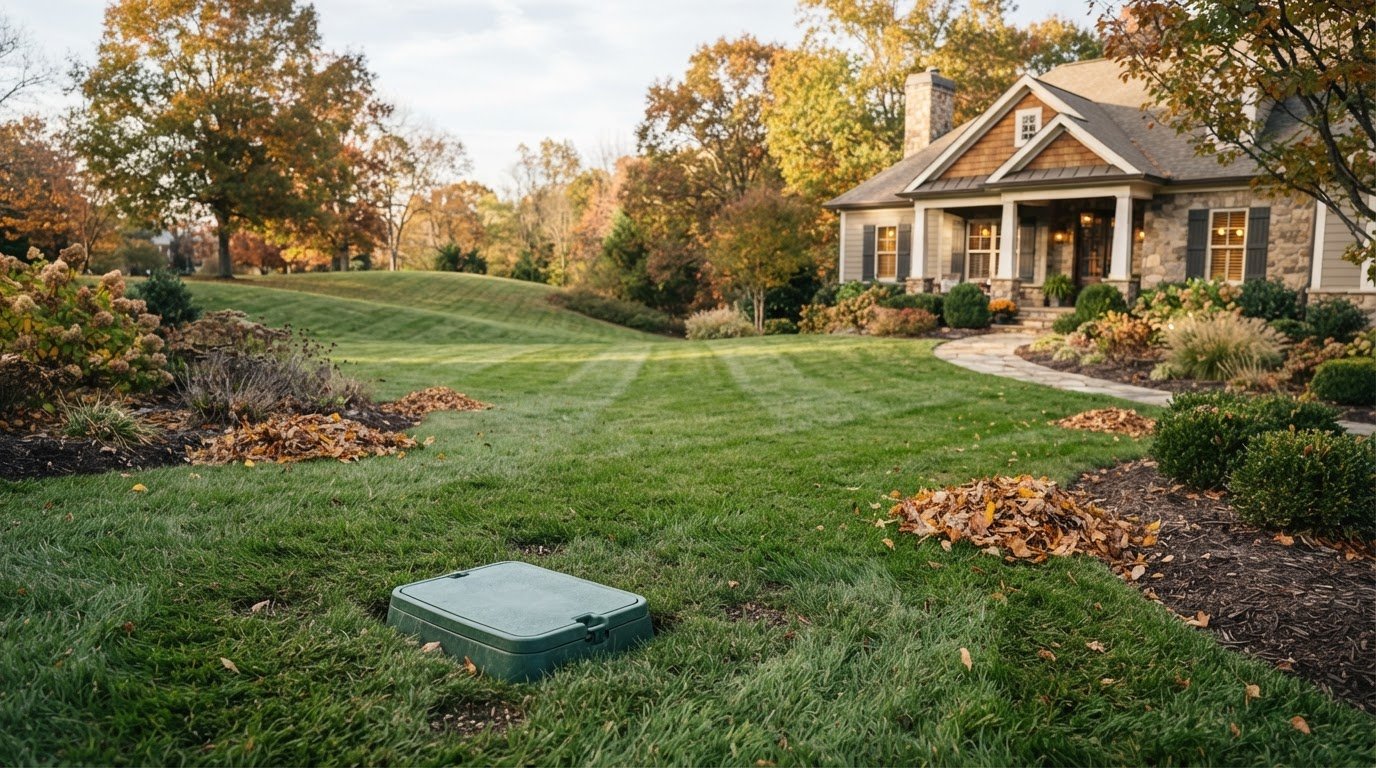
A frost forecast doesn’t put every plant at equal risk. Protecting plants from frost in Kentucky starts with matching each plant’s cold tolerance to its location and the conditions ahead, rather than covering the whole yard by default. Kentucky spans USDA hardiness zones 6b to 7b, and typical first fall frosts in much of the state arrive between October 16 and October 31. Spring cold can linger, too, so a mild afternoon doesn’t mean tender plants are safe overnight.
If you’ve watched temperatures shift quickly and wondered whether to cover, water, or move a plant, the answer depends on the plant, how long temperatures are expected to stay low, and its exposure to wind. A well-chosen cover or sheltered spot can help. Poorly placed protection may cause problems, so focus on the plants and areas that need it.
This guide explains which plants to prioritize, how to use covers and mulch, and when to uncover plants and assess possible damage. You’ll also learn how routine landscape maintenance, including appropriate mulch in garden beds, can support seasonal preparation without making frost care complicated.
Protecting Plants from Frost in Kentucky: Know What Is at Risk
Frost and a freeze are related, but they aren’t the same event. Frost forms when water vapor turns into ice crystals on exposed surfaces, such as leaves. A freeze refers to air temperatures reaching 32°F or lower. A forecast may predict temperatures above freezing and still signal frost risk if plant surfaces cool enough overnight. Tender leaves and new growth can be affected before sturdier, established plants show damage.
When protecting plants from frost in Kentucky, look beyond the forecast low. Cold exposure depends on how long temperatures stay low, wind, cloud cover, and each plant’s position in the yard. A sheltered bed beside a wall may experience different conditions from an open lawn or an elevated patio. One forecast low cannot predict equal frost risk across every yard because plant type, exposure, and local microclimates all shape the cold each plant experiences.
For an overview of how local conditions create these differences, see Understanding Microclimates and Frost.
To see practical fall-weather protection in action, watch this video:
Walk the landscape before cold weather arrives and note which areas feel exposed. Beds in low spots may collect cold air, while a wind-facing corner can lose warmth quickly. This simple inventory helps you direct protection where it matters instead of treating every plant alike. Regular landscape maintenance can help keep beds organized and ready for seasonal changes.
When can frost occur in Kentucky?
Frost timing varies across Kentucky and from year to year, so a calendar date is a planning reference, not a guarantee. Elevation, slope, nearby buildings, and other local conditions can affect how quickly a particular spot cools. As a cold night approaches, check the National Weather Service forecast for your location and pay attention to frost advisories as well as predicted temperatures.
Which plants should you protect first?
Prioritize tender annuals, newly planted specimens, and plants still producing soft new growth. Tomatoes, peppers, and beans are particularly frost-sensitive. Hardier crops such as lettuce and cauliflower may tolerate cooler conditions better. For unfamiliar varieties, check the plant label or University of Kentucky Cooperative Extension guidance instead of assuming all plants in a bed respond alike.
- Check containers early. Roots in pots have less surrounding soil to buffer temperature swings than roots in the ground. Move portable containers to a sheltered location when practical.
- Consider the plant’s stage and setting. A newly planted shrub or actively growing perennial may need attention sooner than an established hardy plant, especially in an exposed spot.
How Kentucky Frost Reaches Plants: Microclimates and Seasonal Vulnerability
On a clear, calm night, the ground and nearby surfaces can lose heat to the open sky. As they cool, the air close to them may cool too, allowing frost to form at plant level even when conditions higher above the ground differ. This process, called radiational cooling, is one way frost develops. Other weather patterns, including moving cold air and wind, affect plants differently, so a clear night isn’t the only situation to watch.
A landscape microclimate is the set of local conditions in one part of a yard. Recognizing those conditions helps you focus frost preparations where plants face the greatest exposure. A wall may shelter plants from wind or release stored daytime warmth, while an open lawn has less protection. The effect depends on the site and the conditions that night.
How yard microclimates affect frost exposure
Cold air can settle in lower areas, but the pattern varies with terrain, wind, and nearby structures. A bed in an open, low spot may cool differently from one beside a building or on a slope. Notice where frost appears first after chilly nights and which areas stay sheltered. These recurring patterns offer useful clues, but they don’t replace checking the local forecast.
Why plant type and growth stage matter
Plant condition matters as much as placement. Tender foliage and fresh growth can be more vulnerable to a sudden cold spell than established growth that has entered seasonal dormancy. Dormancy is a plant’s seasonal response to shorter days and cooler weather. It isn’t the same as injury caused by an abrupt frost. Hardy plants suited to the site generally tolerate seasonal cold better, though vulnerability still varies by species and conditions.
- Compare growth stages. A plant with soft new shoots may need more attention than a dormant, established plant of the same type.
- Account for containers. A pot has less surrounding soil to buffer temperature changes than a plant rooted in the ground. Grouping pots in a sheltered area can reduce their exposure.
- Observe the setting. Note whether a plant sits in a low spot, faces prevailing wind, or benefits from shelter near a structure.
These details make protecting plants from frost in Kentucky a site-specific task, not a one-rule routine. Keep brief notes about where frost lingers and which plants show stress. That record can guide decisions during the next cold spell. For plant-specific guidance, use reliable nursery labels or University of Kentucky Cooperative Extension resources, especially if you’re unsure whether a plant is hardy or still actively growing.
Seasonal bed preparation can also be part of broader landscape upkeep. For information about routine care, see landscape care planning with Palisades Outdoor Solutions.
Frost Protection Methods Compared: Covers, Mulch, and Temporary Shelter
Choose protection based on which part of the plant needs support. A cover helps shield exposed foliage, mulch insulates the soil around roots, and temporary shelter reduces exposure for movable containers. These methods can complement one another, but none is a universal fix. For protecting plants from frost in Kentucky, match the approach to the plant, its location, and the forecast rather than covering every bed the same way.
| Method | Best fit | Limitations |
|---|---|---|
| Breathable fabric cover | Vulnerable plants in beds facing a forecast cold night | Needs support and secure edges. It can press on delicate foliage if placed carelessly. |
| Mulch | Suitable landscape beds, especially around roots of newly planted specimens | Insulates soil and roots, but doesn’t shield exposed leaves or stems. |
| Temporary shelter | Portable pots that can be moved to a protected spot | Only helps containers that can be relocated, and the chosen spot still needs shelter from cold exposure. |
When plant covers are the practical choice
Use breathable frost cloth or fabric for tender plants that will remain outdoors during a cold night. Drape it over a frame, hoops, or other supports so the material doesn’t rest on delicate leaves and stems. Extend the cover to the ground to help hold warmth released from the soil around the plant. Secure the edges to reduce the chance that wind will lift the fabric, but don’t cinch it tightly around stems or damage nearby growth.
Plastic sheeting is different. Don’t lay it directly on foliage, since contact can leave leaves exposed to cold where the plastic touches them. If you use plastic as a temporary barrier, support it with a frame so it doesn’t rest on the plant. Remove or adjust coverings as conditions change, and avoid leaving a heavy or poorly secured cover pressing against branches.
Where mulch and shelter help most
Mulch can insulate the root zone in appropriate beds, including around newly planted specimens. Keep its role clear: it covers soil, not above-ground foliage, so it doesn’t replace a fabric cover for exposed leaves. A maintained bed also makes it easier to apply mulch evenly and keep it where it belongs. Seasonal landscape maintenance can help keep beds orderly as the weather changes.
For container plants, move portable pots beside a sheltered wall, onto a protected porch, or to another suitable location when practical. Avoid placing them where they could obstruct access or be knocked over. If a plant can’t be moved, a supported fabric cover may be more practical than relying on mulch alone. Choosing the right method for each plant keeps frost preparation focused and manageable.
How to Protect Plants from Frost in Kentucky: A Before-and-After Checklist
A steady routine makes protecting plants from frost in Kentucky more manageable. Check the forecast, prepare only the plants that need attention, and review the landscape after temperatures rise. The steps below help you respond without overwatering, fastening covers too tightly, or cutting back growth before you know what has been affected.
What to do before a frost night
Start with your local forecast and the vulnerable plants you’ve identified. Note when the cold is expected and how severe or prolonged it may be. Then prepare covers and a sheltered spot for portable pots. Check soil moisture, too. Watering may be appropriate when soil is dry and the plant’s needs and conditions warrant it, but don’t assume every bed needs water.
- Review the local forecast. Check the National Weather Service forecast for your location and note the timing and expected severity of the cold. Recheck it as conditions develop rather than relying on a general seasonal date.
- Identify plants to prioritize. Focus on tender plants, newly planted specimens, active new growth, and containers. Consider exposure as well as plant type. An open, wind-facing bed may need more attention than a sheltered spot.
- Check soil moisture. Feel the soil near the root zone. If it’s dry, watering ahead of the cold period may be appropriate for plants that need it. Don’t water saturated ground or apply water automatically to every plant.
- Prepare covers and supports. Set out breathable fabric and any supports needed to keep it off delicate foliage. Drape the cover to the ground and secure its edges without pulling it tightly against stems or branches.
- Move portable pots. Group containers in a sheltered location when practical. Choose a stable spot that reduces exposure and keeps pots from obstructing walkways.
What to do the morning after frost
Once conditions allow, open or remove covers so daylight and airflow can reach the plants. Check the local forecast before taking protection away if another cold period is expected. Frost injury may not be clear immediately, so observe affected foliage and stems over time. Avoid hard pruning right away. Waiting helps distinguish temporary damage from growth that won’t recover.
- Check plants gently. Look for limp, darkened, or water-soaked foliage, but don’t assume every marked leaf means the whole plant is lost. Note which areas were covered and how exposed plants responded.
- Delay major pruning. Give the plant time to show which stems remain healthy before removing damaged growth. Follow reliable, plant-specific guidance if you’re uncertain about pruning timing.
- Limit traffic on frozen grass. Avoid walking or driving over frozen lawn areas where possible, since pressure can harm the grass. Regular lawn care and mowing support orderly seasonal upkeep.
For help planning seasonal care across your landscape, see landscape maintenance planning with Palisades Outdoor Solutions.
A Seasonal Frost-Readiness Plan for Kentucky Landscapes
A useful frost plan changes with the forecast and the condition of your plants, not a single date on the calendar. Across Kentucky, cold can arrive at different times from one year to the next, and new growth may need attention even when the rest of the landscape is settled for the season. A few preparations made ahead of time can make protecting plants from frost in Kentucky more deliberate and less rushed.
Build a simple frost-readiness routine
Before colder weather arrives, make a brief map or note of vulnerable beds, container locations, and spots where frost tends to show up first. Keep plant labels together with observations about new growth or past cold damage. These details help you identify what needs attention as forecasts change, instead of assessing the whole yard from scratch.
- Track local conditions. Check forecasts as seasons shift, and note which areas of your property cool first. Use observations to guide preparation, not as a substitute for current weather information.
- Prepare supplies in advance. Keep reusable breathable covers accessible and identify a sheltered place for portable pots. Check that covers and supports are in usable condition before a cold forecast makes preparation urgent.
- Review plant-specific needs. Labels can help identify cold tolerance and care requirements. For questions about a particular plant, consult University of Kentucky Cooperative Extension guidance rather than applying one rule to every species.
- Update your notes. After a cold spell, record which plants were exposed and how they responded. Over time, these observations can help refine your plan for different parts of the yard.
When ongoing landscape care can help
Seasonal bed care supports an orderly landscape and makes it easier to notice exposed roots, new growth, or plants that may need attention. Appropriate mulch can insulate soil around roots, while consistent maintenance keeps beds organized. Mulch doesn’t prevent every kind of frost damage or protect exposed foliage, so use it as one part of broader seasonal care, not as a substitute for other steps.
Planned maintenance can include refreshing beds and installing mulch where it suits the planting area. These routine tasks help prepare a property for seasonal changes, but they aren’t a dedicated frost-protection program and can’t guarantee plants will avoid damage. Continue to use local forecasts and plant-specific guidance to decide when added protection is appropriate.
A seasonal plan doesn’t need to be complicated. Keep your notes current, supplies ready, and priorities focused on the plants and areas most exposed to changing conditions. Palisades Outdoor Solutions provides landscape care for homeowners in Nicholasville and nearby Kentucky communities. Find information about landscape care for seasonal upkeep as you plan routine maintenance.
Make Seasonal Care Part of Your Landscape Plan
Let each cold-weather forecast be a prompt to check how your landscape is changing, rather than a reason to worry about every plant. Observations throughout the growing season can help you recognize vulnerable areas and plan care that suits your property. That steady approach makes protecting plants from frost in Kentucky more manageable while supporting the health and appearance of your outdoor spaces over time.
Thoughtful bed care and suitable mulch installation can be part of a broader maintenance plan, alongside the plant-specific steps you take when cold weather approaches. Palisades Outdoor Solutions provides landscape maintenance for homeowners in Nicholasville and nearby Kentucky communities, with care shaped around the needs of each property.
Consider what would make seasonal upkeep easier for your landscape. Contact Palisades Outdoor Solutions to discuss your landscape care needs. With a practical plan and attentive care, you can face changing Kentucky weather with greater confidence.
Frequently Asked Questions
When does the first frost usually happen in Kentucky?
In much of Kentucky, the typical first fall frost occurs between October 16 and October 31, but the date varies by location and year. Louisville’s normal first frost is around October 27. In Nicholasville, use the local National Weather Service forecast as October progresses rather than treating those dates as a schedule. If tender plants are still actively growing, keep protection supplies ready as colder nights approach.
Should I water my plants before a frost?
Water before a frost only if the soil is dry and the plant needs it. Moist soil can help retain heat, but watering every bed regardless of conditions isn’t necessary. Check moisture near the root zone and water earlier, giving it time to soak in before temperatures fall. Avoid leaving the soil saturated. A plant in already moist ground may not need additional water before a cold night.
Can I use a plastic sheet to protect plants from frost?
You can use plastic as a frame-supported barrier, but don’t drape it directly over leaves or stems. Set it over a frame that keeps the plastic from touching foliage, then secure it so wind doesn’t lift it. For delicate plants, breathable fabric is generally the more suitable cover. Remove or open the plastic when the cold period has passed so plants can receive daylight and airflow.
What should I do with potted plants when frost is forecast?
Move portable pots to a sheltered place, such as a protected porch or another suitable covered area, when frost is forecast. Grouping containers can make them easier to manage, but check that each plant’s light and temperature needs suit the temporary location. For large or fixed containers, use a suitable cover if appropriate. Return moved plants to their usual setting when the cold threat has passed.
How long should I leave a frost cover on plants?
Keep the cover in place during the forecast cold period, then remove or open it once conditions allow daylight and airflow to reach the plant. There isn’t one fixed removal time for every frost event. Check the local forecast before uncovering plants if another cold night is expected, and follow plant-specific needs. If temperatures remain low into the morning, wait until conditions improve rather than uncovering by the clock.
Can plants recover after frost damage?
Yes, some plants recover, but the outcome depends on the plant, the extent of the cold exposure, and which parts were affected. Softened or discolored leaves don’t always show the full extent of injury right away. Give the plant time to reveal healthy growth before removing damaged stems. Annuals and established perennials may respond differently, so use plant-specific guidance before pruning or deciding that a plant is beyond recovery.
Does mulch protect plant leaves from frost?
No. Mulch helps insulate soil around the root zone, but it doesn’t shield leaves or stems exposed above the ground. For foliage that needs protection, use an appropriate cover as well as mulch where it suits the bed. Keep mulch in the soil area rather than spreading it over the plant. The right combination depends on what needs protection: roots, exposed growth, or both.