Have you ever wondered why your lawn seems to reject water and fertilizer, even when you're doing everything by the book? In Central Kentucky, our heavy clay soil often becomes so compacted that it literally suffocates the grass roots. It's frustrating to watch thin patches develop and weeds take over while the ground feels like concrete under your feet. You likely want a yard that reflects the pride you take in your home, but the local environment presents unique challenges that standard mowing alone cannot solve.
You don't have to settle for a struggling yard. By utilizing professional lawn aeration and overseeding Kentucky homeowners can finally break through that compaction and establish the thick, resilient turf they've always wanted. This restorative duo works in tandem to improve drainage and ensure your grass survives our intense 2026 summers. This guide provides a clear roadmap for your lawn's transformation, from understanding the science of soil health to mastering the critical September maintenance window. We'll explore how these fundamental steps create a healthier ecosystem for your property, giving you peace of mind and a landscape that stays vibrant and green year after year.
Why Your Central Kentucky Lawn Needs Aeration and Overseeding
Central Kentucky is known for its beautiful landscapes, but the heavy clay soil common in Nicholasville and Lexington poses a significant challenge for homeowners. Clay particles are small and pack together tightly, creating a dense environment that resists water and oxygen. This is why professional lawn aeration and overseeding Kentucky services are a staple of local property care. You can test your own soil health with a simple "screwdriver test." Try to push a standard screwdriver into the ground when the soil is moist. If you meet significant resistance or can't push it in at all, your soil is compacted. This density prevents roots from expanding and restricts the movement of essential nutrients.
Many residents find that their routine fertilizer and weed control efforts aren't yielding results. When soil is compacted, liquid treatments and granular fertilizers often sit on the surface or wash away during the next rainstorm rather than reaching the root zone. Additionally, a thick layer of "thatch," which is a collection of organic debris like dead grass and roots, can accumulate on the surface. While a little thatch is healthy, a layer thicker than half an inch acts as a waterproof barrier. This barrier further isolates your grass from the resources it needs to thrive, leading to a lawn that looks hungry and stressed even after treatment.
Recognizing the Signs of Soil Compaction
Compaction doesn't always happen overnight; it's often the result of years of foot traffic, lawn equipment use, and natural settling. You might notice water pooling in low spots or running off into the street even after a moderate Kentucky rainstorm. These are clear indicators that the ground is no longer porous. As the grass thins due to lack of oxygen, you'll see bare patches where the soil feels as hard as concrete. These vulnerable areas are an open invitation for invasive weeds like crabgrass and dandelion. These weeds often thrive in the poor soil conditions that kill off high-quality turf grass.
The Synergy: Why Aeration and Seeding Belong Together
Performing lawn aeration and overseeding Kentucky services simultaneously is the most effective way to restore a lawn. Core aeration removes small plugs of soil, physically breaking up the compaction and creating thousands of small channels. This process provides the perfect environment for new grass seed. Instead of sitting on a hard surface where it might wash away or be eaten by birds, the seed falls into these protected holes. This direct seed-to-soil contact is mandatory for germination. By combining these services, you ensure that the new growth has immediate access to the air, water, and space it needs to develop deep, resilient roots before the next summer heat wave arrives.
The Science of Aeration: Breaking Through Kentucky Clay
Core aeration is the mechanical removal of soil 'plugs' to allow air, water, and nutrients to reach the root zone. In Central Kentucky, where the soil is dominated by heavy clay, this process is indispensable for maintaining a healthy lawn. Unlike "spike" aeration, which simply pushes a needle into the ground and can actually increase compaction around the hole, core aeration uses hollow tines to pull cylinders of soil out of the earth. This physical removal creates space for the surrounding ground to relax and expand. This is a fundamental step in any professional lawn aeration and overseeding Kentucky homeowners invest in to combat the natural density of our local terrain.
Opening the soil profile invites oxygen back into the root zone, which is vital for more than just the grass itself. This surge of air stimulates beneficial microbial activity within the soil. These microbes are responsible for breaking down organic matter and recycling nutrients into a form the grass can actually use. By fostering this biological engine, you're revitalizing the very foundation of your landscape. A well-aerated lawn creates a self-sustaining environment where fertilizers and natural minerals can move freely to where they are needed most.
How Core Aeration Improves Root Depth
When we remove soil plugs, the immediate pressure on the remaining soil is relieved. This "expansion effect" allows roots to push deeper into the earth without fighting dense, unyielding clay. Deeper roots are the secret to a lawn that stays green during a hot August in Nicholasville or Lexington. They reach moisture reserves that shallow roots cannot access, providing superior drought resistance. This process also helps manage thatch buildup. By pulling soil cores to the surface, we introduce soil-dwelling microbes directly to the thatch layer, helping to decompose it before it becomes a thick "sponge" that harbors pests or fungal diseases.
Preparing Your Property for Service
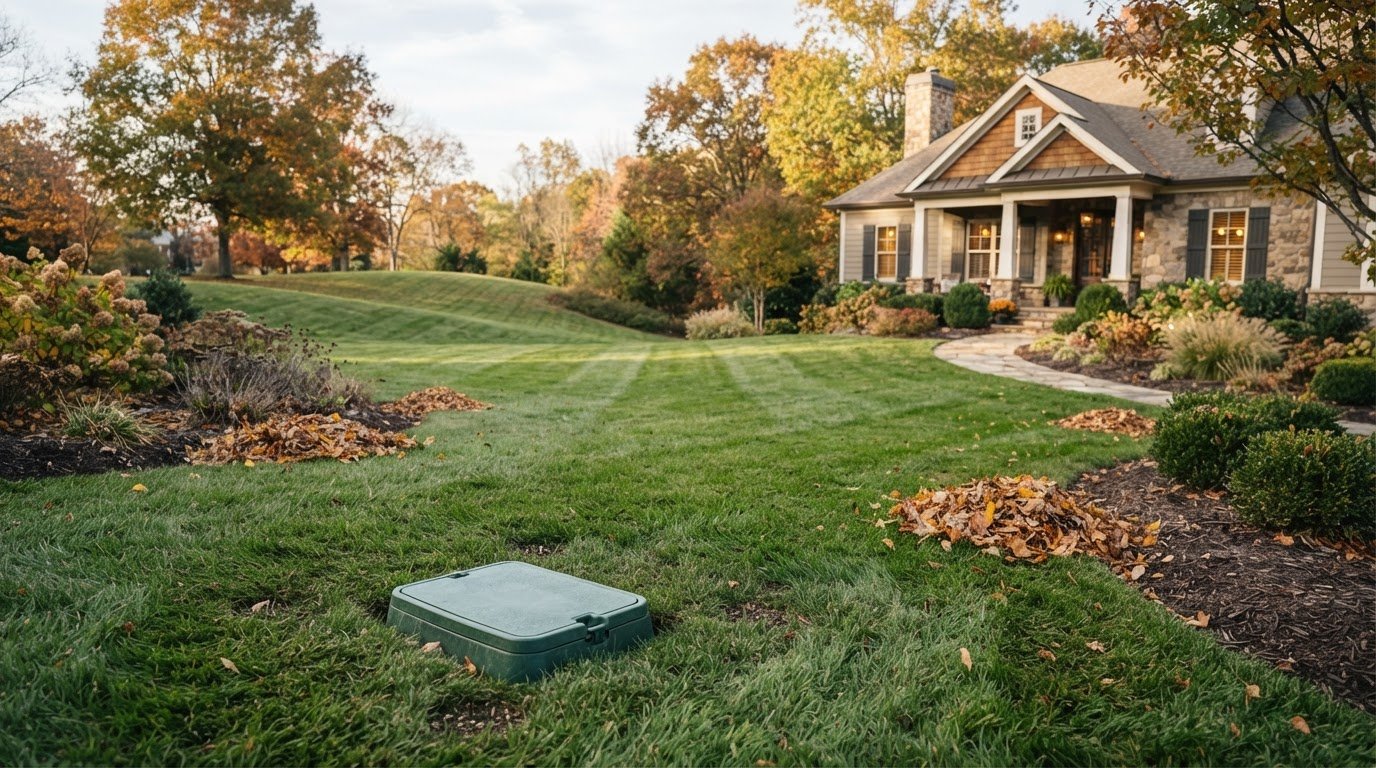
Preparation is a key part of ensuring a successful and safe service. Before our crew arrives, we recommend mowing your lawn to a height of approximately 2 inches. This shorter height ensures the aeration equipment makes clean, deep contact with the soil and that new seeds aren't shaded out by long grass blades. It's also vital to mark any hidden hazards on your property. Please flag your irrigation heads, shallow utility lines, or invisible dog fences to prevent accidental damage during the process. If you have questions about your watering setup, you can learn more about preparing your irrigation system to ensure everything is functional for the 2026 season. If you're ready to give your lawn the professional care it deserves, you can schedule an assessment with our team to get started.
Overseeding: The Secret to a Thick, Resilient Bluegrass Lawn
Kentucky sits squarely in the "transition zone," a geographic region where the climate is often too cold for warm-season grasses and too hot for many cool-season varieties. This environment puts immense stress on residential turf. Over time, even a well-maintained yard will develop thin areas due to summer heat, foot traffic, or localized disease. Overseeding is the professional solution to these inevitable gaps. By introducing new, hardy grass plants into an existing lawn, you effectively "reset" its density. This process is most effective when integrated into a comprehensive schedule for lawn aeration and overseeding Kentucky homeowners can rely on to maintain curb appeal year-round.
The success of this service depends heavily on the precision of the application. While some try to hand-broadcast seed, this often leads to "clumping" or bare spots that ruin the uniform look of a professional landscape. We use professional-grade calibrated spreaders to ensure an even distribution across every square foot of your property. This meticulous approach guarantees that the new growth blends seamlessly with your existing grass, creating a carpet-like texture that is both soft to the touch and durable enough for family use.
Choosing the Right Seed for Nicholasville and Lexington
In our local Central Kentucky climate, not all grass seed is created equal. We prioritize Turf-Type Tall Fescue blends, often mixed with a small percentage of Kentucky Bluegrass. This combination offers the best of both worlds. The Fescue provides deep root systems that can withstand a dry July, while the Bluegrass offers a lush color and the ability to self-repair. It's vital to avoid "contractor grade" seed mixes found at big-box retailers. These cheaper alternatives often contain high percentages of weed seeds or annual ryegrass that dies off after one season. Investing in high-quality, weed-free seed ensures your lawn remains healthy for the long term.
Optimizing Seed-to-Soil Contact
Seed cannot grow if it sits on top of a layer of dead thatch or compacted clay. This is where the synergy with aeration becomes clear. The holes created during the aeration process act as protected "incubators" for the new seedlings. These channels keep the seed in place, protecting it from being washed away by rain or eaten by local birds. To give these new plants the best possible start, we often recommend a specific nutrient boost. You can discover our fertilization and weed control programs to see how starter fertilizers provide the essential phosphorus and nitrogen needed for rapid root development. This structured approach ensures that your new grass isn't just growing, but thriving from day one.

Timing the Duo: When to Schedule Service in 2026
The success of your lawn restoration depends heavily on the calendar. In Central Kentucky, the window for peak results is narrower than many homeowners realize. For the 2026 season, the ideal period for lawn aeration and overseeding Kentucky properties is between September 1st and September 25th. This specific timeframe aligns with the natural growth cycle of cool-season grasses like Tall Fescue and Kentucky Bluegrass. By completing the service by mid-October, you ensure the new seedlings have enough time to establish a strong root system before the first hard frost of the year. Soil temperatures remain warm enough for rapid germination, while the cooling air reduces the stress on young plants.
While some residents consider spring aeration, it presents a unique set of challenges. Spring is also the peak germination time for invasive weeds like crabgrass. When you open the soil with aeration tines in April, you inadvertently create the perfect environment for weed seeds to take root alongside your grass. Additionally, spring-seeded grass often lacks the root depth required to survive a humid Kentucky July. Choosing the fall window avoids this "weed battle" and allows your lawn to focus entirely on healthy development. Because this window is so critical, we recommend booking your service early to secure a spot during the optimal September dates.
The Fall Advantage: Root Growth Over Top Growth
During the autumn months, grass plants shift their energy from vertical leaf growth to horizontal root expansion. This is exactly what a resilient lawn needs. By aerating and seeding in the fall, you give your grass two full growing seasons (autumn and the following spring) to mature before it faces the intense heat of summer. This head start is the difference between a lawn that browns out in July and one that stays vibrant. The increased moisture levels typical of a Kentucky autumn also provide a consistent environment for the seeds, reducing the need for constant manual intervention.
Post-Service Care: The First 21 Days
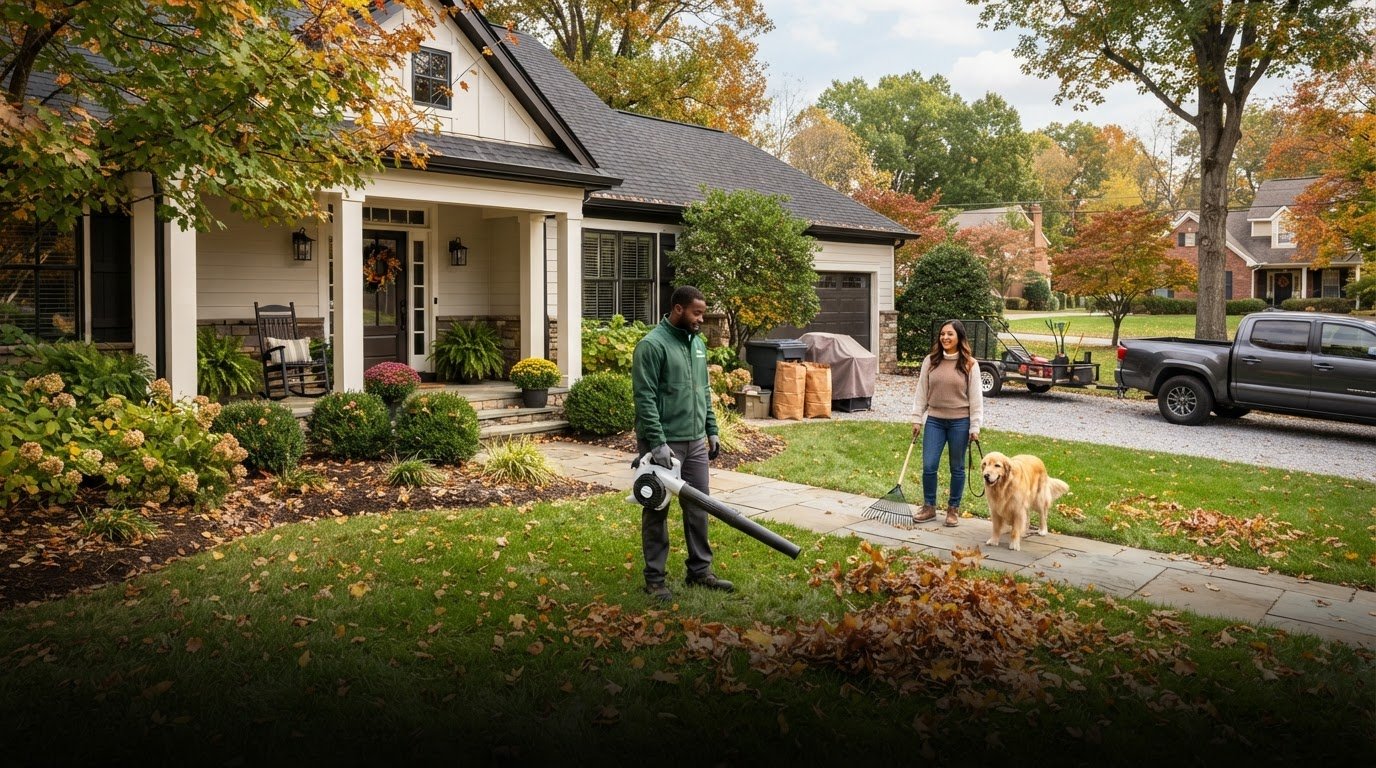
The three weeks following your service are the most important for long-term success. Your primary goal is to keep the "seed bed" consistently moist. This typically requires light watering twice a day rather than one heavy soaking. You want the soil to be damp to the touch but never flooded, as standing water can rot the new seeds. As the grass begins to sprout, you should avoid mowing until the new blades reach a height of at least 3.5 to 4 inches. When you do resume mowing, ensure your blades are sharp to avoid tearing the tender young grass. It is also vital to keep fallen leaves from matting down on the new growth, as this can block the sunlight and oxygen the seedlings need to thrive.
Proper timing and meticulous aftercare are the final pieces of the puzzle for a beautiful landscape. If you are ready to secure your spot for the upcoming season, you can request a service quote for your property today.
Professional Lawn Restoration with Palisades Outdoor Solutions
At Palisades Outdoor Solutions, we approach every project with the mindset of a master craftsman. We understand that a successful lawn isn't the result of a single visit, but of meticulous, long-term property stewardship. By choosing our professional lawn aeration and overseeding Kentucky services, you're partnering with experts who prioritize the fundamentals. We utilize high-performance core aerators that penetrate deeply into the soil, providing the significant relief from compaction that standard residential machines often fail to achieve. This precision ensures that every square foot of your property receives the attention it needs to thrive.
Our process is built on local knowledge. We don't use generic, one-size-fits-all seed mixes. Instead, we select customized blends specifically for Nicholasville and Lexington properties, ensuring the varieties are optimized for our unique climate. This expertise is part of a larger commitment to your yard's health. We often integrate these restorative services into a comprehensive landscape maintenance plan. This holistic approach ensures that your irrigation, fertilization, and mowing schedules work in harmony with your aeration and seeding efforts, leading to a consistently beautiful result throughout the 2026 season.
Serving Nicholasville and Central Kentucky
Our team lives and works in the heart of the Bluegrass region. We have a deep understanding of the specific soil dynamics in Jessamine and Fayette counties. This local familiarity allows us to anticipate the challenges your lawn might face, from drainage issues to persistent local weeds. Our neighbors in Nicholasville trust us because we provide reliable, master-level care that focuses on quality over speed. If you're ready to revive your lawn and establish a more resilient landscape, contact our team today for a quote.
Beyond the Lawn: Total Property Care
A lush, green lawn serves as the foundation for your entire outdoor living space. When your turf is healthy, it provides the perfect backdrop for our professional landscape design and lighting services. We believe in providing peace of mind through every season. As the year draws to a close, we continue to support our clients with dependable snow and ice removal for local homes. This year-round dedication to excellence ensures that your property remains safe, functional, and aesthetically pleasing, no matter the weather. We value the trust you place in us and remain committed to the long-term beauty of your environment.
Revitalize Your Landscape for the 2026 Season
A vibrant, healthy lawn is the foundation of your home's curb appeal and a testament to quality property stewardship. By addressing soil compaction and timing your restoration for the fall, you'll transform dense clay into a lush environment. This systematic approach ensures your grass has the oxygen and deep root systems required to survive the heat.
Our team has served Nicholasville and Lexington for years, applying master-level attention to detail to every landscape. We don't just spread grass; we use specialized Central Kentucky seed blends that are proven to thrive in our specific regional conditions. Investing in professional lawn aeration and overseeding Kentucky services ensures your property remains in safe, capable hands.
If you're ready to give your yard the professional reset it deserves, Request Your Professional Aeration and Overseeding Quote today. We look forward to helping you build a resilient lawn you'll enjoy for years to come.
Frequently Asked Questions
When is the best time to aerate and overseed my lawn in Kentucky?
The ideal window for lawn aeration and overseeding Kentucky properties is late summer through early fall, specifically between September 1st and September 25th. This timing allows cool-season grasses to germinate when soil temperatures are warm but air temperatures are cooling. Completing the service by mid-October ensures the root systems are established before the first frost. This schedule provides two growing seasons for the grass to mature before the summer heat.
Can I mow my lawn immediately after it has been aerated and seeded?
You shouldn't mow your lawn immediately after aeration and seeding. It's best to wait until the new grass reaches a height of 3.5 to 4 inches, which typically takes two to three weeks. Mowing too early can damage the tender new blades or pull them out of the soil. When you do resume mowing, ensure your mower blades are sharp to provide a clean cut that doesn't stress the young plants.
How long does it take for the aeration plugs to disappear from my lawn?
Soil plugs generally break down and disappear within two to four weeks. Natural factors like rain, irrigation, and routine foot traffic accelerate this decomposition process. As the plugs dissolve, they return valuable nutrients and organic matter back into the soil profile. You don't need to rake or remove them; leaving them in place is actually beneficial for the long-term health and nutrient density of your lawn.
How much should I water my lawn after overseeding is completed?
Successful germination requires keeping the seed bed consistently moist but not flooded. We recommend watering twice a day for about 10 to 15 minutes per zone for the first 21 days. The goal is to keep the top inch of soil damp to the touch. Once the new grass is established and has been mowed for the first time, you can transition back to a deeper, less frequent watering schedule.
Do I need to pull weeds before the aeration and overseeding process?
You don't need to pull every individual weed before the process, but your lawn should be relatively clear of major debris. It's critical that you avoid applying any pre-emergent weed control for at least 60 to 90 days before seeding. These chemicals are designed to prevent seeds from germinating and will stop your new grass from growing. Focus on maintaining a proper mowing height to prepare the area for the crew.
Will aeration damage my underground sprinkler system or pet fence?
Aeration equipment can damage underground components if they aren't properly identified. Homeowners should mark all irrigation heads, shallow pipes, and invisible dog fence wires with flags before the service begins. While core aerators only penetrate about three inches into the soil, some utilities are buried shallower than expected. Marking these hazards provides peace of mind and ensures the equipment moves safely across your property.
Is it better to use liquid aeration or core aeration for Kentucky clay?
Core aeration is significantly more effective than liquid treatments for the heavy clay soil found in Central Kentucky. While liquid products claim to loosen soil chemically, core aeration physically removes plugs to create immediate space for air and water. This mechanical relief is essential for breaking through the dense compaction common in our region. It provides the tangible seed-to-soil contact that liquid alternatives simply cannot replicate.
What happens if it rains immediately after my lawn is aerated and seeded?
Moderate rain immediately after service is usually beneficial because it helps wash the seeds into the aeration holes. These holes protect the seed from being washed away by light to moderate downpours. However, heavy flooding or torrential storms can occasionally displace seed on sloped areas. If a major storm is forecasted, the aeration plugs themselves act as small barriers that help stabilize the soil and keep your investment in place.
Recent Posts