Last July, a Nicholasville homeowner watched their lawn turn brittle and brown despite running the sprinklers every morning. They eventually discovered that a single cracked head and a hidden underground leak were wasting thousands of gallons of water while leaving the grass thirsty. It's a common story in the Bluegrass region, where the shift from spring rains to intense summer heat puts immense pressure on your property's infrastructure.
You likely understand the frustration of seeing your water bills climb while your landscape struggles to stay green. Managing a complex watering system can feel like a chore, especially when you're worried about mower damage or the looming threat of pipes bursting during a hard winter freeze. This guide provides the essential steps for irrigation system maintenance Kentucky residents need to achieve maximum efficiency and long-term property health. We'll walk through the fundamentals of professional spring startups, the legal necessity of annual backflow testing, and the precise timing required for fall winterization. You'll learn how to maintain a reliable system that protects your investment and keeps your lawn lush throughout the changing seasons.
Understanding Irrigation System Maintenance in the Kentucky Climate
Irrigation maintenance is the systematic inspection and tuning of water delivery components to ensure every drop of water reaches its intended target. In Nicholasville and Lexington, this process is particularly vital because our region sits in a "Transition Zone." This geographic reality means our weather frequently swings from saturated, rainy springs to the bone-dry droughts of August. Irrigation sprinkler systems must be resilient enough to handle these extremes without failing when the turf needs them most. Because Kentucky lawns often feature a mix of cool-season grasses like tall fescue and Kentucky bluegrass, the timing of water delivery is just as important as the volume.
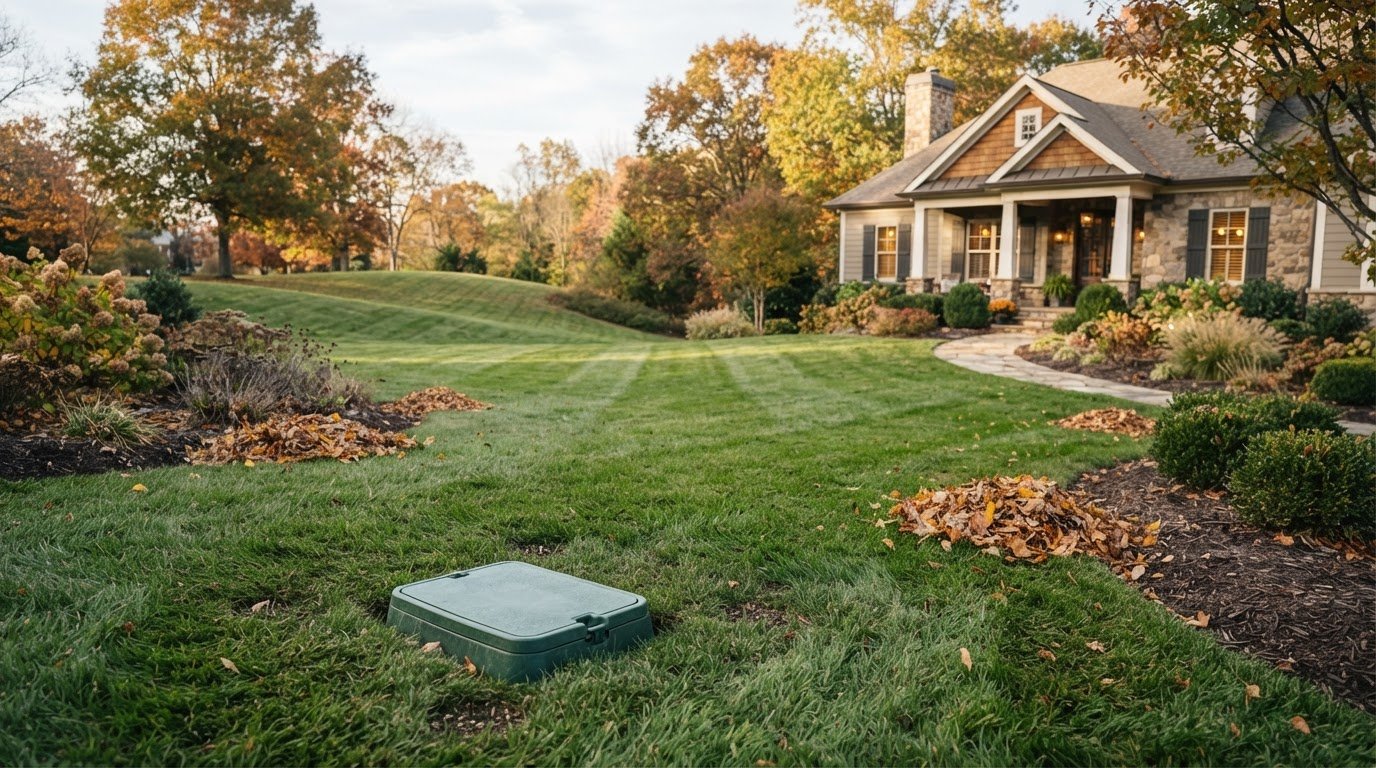
A functional system relies on several core components working in harmony. The controller serves as the brain, managing timing and frequency based on seasonal needs. The valves act as the gatekeepers, regulating flow through underground piping to the individual sprinkler heads. When these parts aren't calibrated, you lose the precision required for a healthy lawn. True irrigation stewardship is the careful balance between water conservation and plant health, ensuring a thriving landscape without wasteful runoff or unnecessary expense.
The Cost of Neglect: Why Routine Checks Matter
Ignoring your system often leads to hidden expenses that accumulate quickly. An undetected underground leak can waste thousands of gallons of water before you notice a soft spot in the turf or a spike in your utility bill. Beyond the financial impact, poor maintenance creates uneven coverage. When some areas of your lawn stay too wet while others remain dry, it invites fungal diseases that thrive in our humid summer air. Consistent monitoring is a fundamental part of a professional landscape maintenance program, providing the stability your property needs to remain vibrant.
Kentucky Seasonal Milestones for Your Sprinklers
Effective irrigation system maintenance Kentucky homeowners rely on follows a specific seasonal rhythm. Each phase addresses a unique environmental challenge to keep the system reliable throughout the year.
- The Spring Startup (April): This milestone involves waking the system safely after the winter thaw. Technicians slowly pressurize the lines to avoid "water hammer" and check every head for damage caused by shifting soil or frost.
- The Mid-Summer Audit (July): As the heat intensifies, we adjust controller settings and nozzle directions. This ensures the grass survives the intense late-summer heat without skyrocketing water costs or creating wasteful runoff on sidewalks.
- The Winterization (October/November): This is the most critical step for long-term protection. We clear all water from the pipes using compressed air to prevent freeze damage and the fear of burst lines when temperatures drop.
Step-by-Step: How to Perform a Spring Sprinkler Start-Up
Spring is the season of restoration for your landscape. Before you begin your watering schedule, start with a thorough visual inspection of the main shut-off valve and the backflow preventer. Look for any obvious signs of wear, such as loose fittings or debris accumulation around the assembly. One of the most common mistakes is opening the main water valve too quickly. This often causes "water hammer," a sudden surge of pressure that can shatter PVC joints or damage internal valves. Instead, use the "slow-fill" method. Turn the valve gradually, allowing air to escape the lines slowly as water replaces it, which protects the integrity of your underground piping.
Once the system is pressurized, cycle through each zone individually from the controller. Check the backup battery and ensure the date and time are accurate to prevent your system from running during peak heat or restricted hours. This manual run allows you to observe performance without committing to a full schedule. Watch closely for clogged nozzles. Winter dormancy often leaves sediment, mineral deposits, or small insects trapped in the filters. Clearing these nozzle filters is a fundamental part of irrigation system maintenance Kentucky homeowners should perform every April to ensure a consistent spray pattern and prevent dry spots.
Inspecting the Backflow Preventer
The backflow preventer is your property's safeguard, as it keeps non-potable irrigation water from siphoning back into your home's clean drinking supply. Brass assemblies are particularly prone to hairline cracks if they weren't drained perfectly during the previous winter. Look for water weeping around the seals or spraying from the body of the device. Because this component is tied to the municipal water supply, professional irrigation repair is required if you find any structural damage. Ensuring this assembly is intact provides peace of mind that your family's water remains safe.
Cleaning and Adjusting Sprinkler Heads
Soil settling and frost heave during the winter often leave sprinkler heads tilted or sunken. Straighten these heads to ensure they pop up fully and retract properly. Following EPA WaterSense watering tips, adjust the arc and throw of each nozzle. Your goal is to water the turf, not the driveway, sidewalk, or the side of your house. Keep an eye out for "mower-bitten" heads that may have been clipped by a blade. If a head is cracked or fails to retract, it should be replaced immediately to prevent significant water waste. If you encounter issues during your inspection, feel free to reach out for professional assistance to get your system back in peak condition.
Mid-Summer Adjustments: Optimizing Water Usage for Heat Waves
During July and August, Central Kentucky experiences its highest Evapotranspiration (ET) rates. ET represents the combined process of water evaporating from the soil and transpiring through the grass blades. When the heat index climbs in Nicholasville and Lexington, your lawn loses moisture faster than it can naturally recover. Effective irrigation system maintenance Kentucky homeowners practice during this window involves shifting from a standard spring schedule to a more strategic, heat-resistant approach. Proper calibration ensures your turf remains resilient even when the thermometer stays in the nineties for consecutive days.
The most effective strategy for summer health is the "deep and infrequent" watering philosophy. Instead of watering every day for ten minutes, which encourages shallow root systems, you should aim for longer run times fewer days per week. Deep watering encourages roots to grow further into the soil profile where moisture remains cooler and more stable. According to the University of Kentucky's guide to home lawn irrigation, providing approximately one inch of water per week is a standard benchmark, though this needs careful adjustment during extreme heat waves. Daily short bursts of water often fail to reach the root zone and can actually promote fungal growth in our humid climate.
To verify if your system is performing correctly during a dry spell, use this checklist to check soil moisture levels manually:
- The Screwdriver Test: Insert a standard screwdriver into the turf. It should slide in easily to a depth of at least six inches; if it resists, the ground is too dry.
- Visual Indicators: Look for "footprinting," where grass blades don't spring back immediately after being walked on.
- Color Changes: Check for a dull, bluish-gray tint to the grass, which is a primary signal of early drought stress.
Smart Technology: Weather-Based Controllers
Modern Wi-Fi-enabled controllers take the guesswork out of summer adjustments by automatically pulling local Lexington weather data to skip cycles during thunderstorms. These systems utilize rain sensors and soil moisture probes to ensure water is only applied when necessary. Integrating smart technology with your professional landscape maintenance plan ensures a better return on investment by reducing water waste and preventing the over-saturation that leads to plant stress.
Managing Shaded vs. Sunny Zones
Kentucky landscapes often feature majestic oaks and maples that create significant microclimates on a single property. Shaded zones under these large trees typically require 50% less water than open, sunny turf areas because they don't face the same direct solar evaporation. If you run all zones for the same duration, you risk creating moss growth or root rot in the shade. Adjust your controller to reduce run times in these low-light areas. Additionally, maintaining a consistent layer of mulch in your landscape beds helps retain moisture, allowing you to focus your irrigation efforts on the most exposed sections of the lawn.
Protecting Your Investment: The Critical Role of Winterization
Winter in Central Kentucky brings freezing temperatures that can be devastating to an unprotected watering system. The physics of ice expansion is unforgiving; as water freezes, it expands by approximately 9% in volume. This expansion creates immense pressure inside PVC and polyethylene piping, which often leads to longitudinal cracks or shattered fittings. Because these pipes are buried underground, a single failure can require extensive excavation to repair. Winterization is the single most important maintenance task in Kentucky to ensure the longevity and structural integrity of your system.
The most reliable way to clear your lines is the "Blow-Out" method. This process uses high-volume, low-pressure compressed air to force residual water out of the pipes, valves, and sprinkler heads. It's vital to avoid using small home shop compressors for this task. While a small compressor may reach the necessary pressure, it lacks the volume (CFM) required to keep the water moving. This often causes the air to move too quickly through the pipes, creating friction that generates enough heat to melt or warp the plastic components. Professional-grade equipment ensures the water is pushed out steadily and safely.
The Professional Blow-Out Process
Precision is key during a professional blowout. We carefully regulate the air pressure, typically keeping it between 50 and 80 PSI depending on the specific pipe material and system design. High pressure is not the goal; rather, we focus on high air volume to displace the water. We cycle through the zones one by one, continuing the flow until only a fine mist remains at the furthest head. Once the lines are clear, we leave the manual test cocks and valves at a 45-degree angle. This specific position prevents moisture from being trapped behind the ball valve, which could otherwise crack the brass assembly during a hard freeze.
Insulating Exposed Components
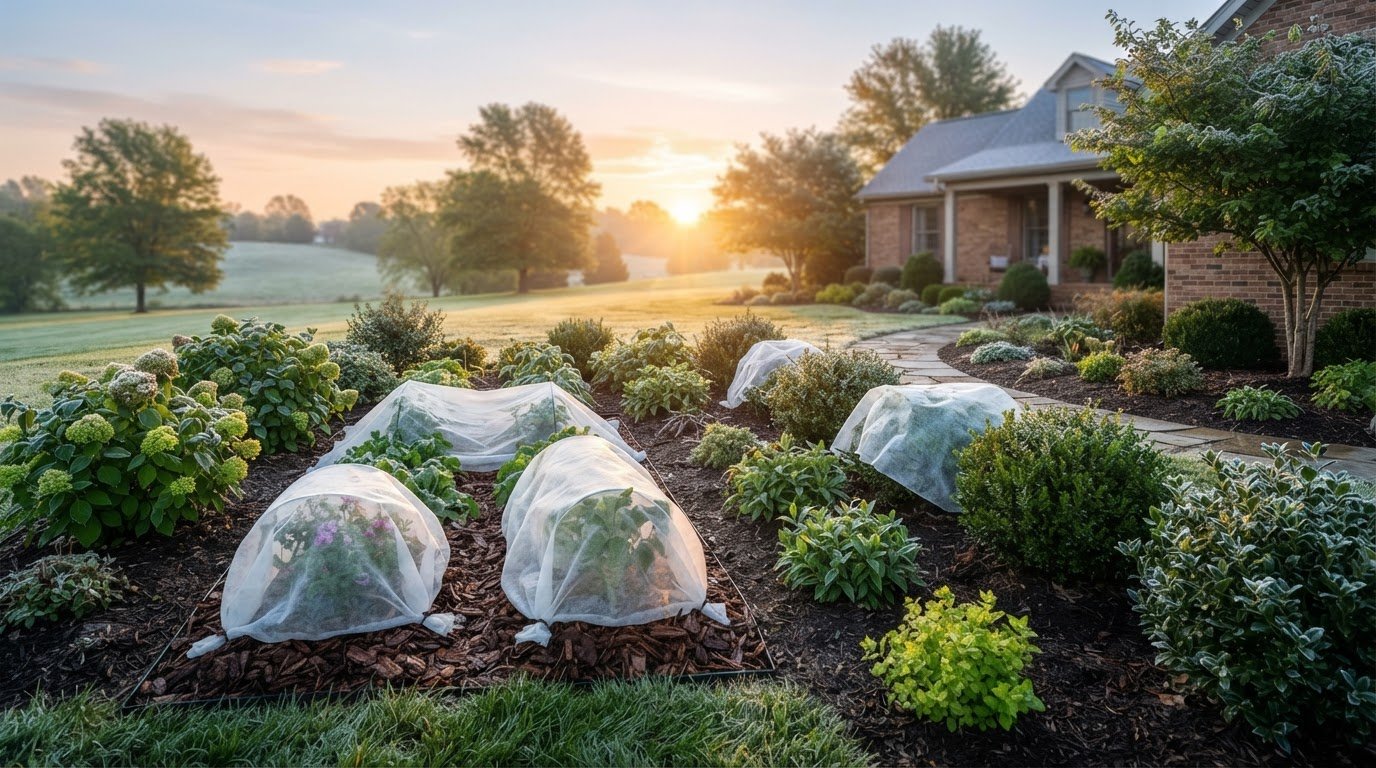
While most of your system is protected by the soil, certain components remain vulnerable above the frost line. The main shut-off valve and the backflow preventer require additional layers of protection. We recommend wrapping exposed valves with specialized insulation and using insulated pouches or "fake rocks" to shield the backflow assembly from biting winds. This attention to detail is a core part of comprehensive property stewardship, similar to how you might prepare for snow and ice removal before the first storm hits. If you want to ensure your system is fully protected before the first freeze, schedule your professional winterization today to avoid costly springtime repairs.
Professional Irrigation Solutions with Palisades Outdoor Solutions
At Palisades Outdoor Solutions, we view irrigation as a core component of comprehensive property stewardship. Our team provides the specialized irrigation system maintenance Kentucky homeowners need to protect their landscapes throughout the year. We focus on meticulous attention to detail, ensuring that every valve, nozzle, and controller performs with precision. From the initial spring activation to professional winterization, we serve as a dependable partner for residents in Nicholasville and Lexington who value the functional beauty of their outdoor spaces. Our approach isn't about quick fixes; it's about the long-term health and stability of your entire property.
A well-tuned system does more than just water the grass; it creates the ideal environment for other treatments to succeed. There is a vital synergy between consistent moisture and professional fertilizer and weed control. Without proper hydration, nutrients cannot reach the root zone effectively, and weed control products may lose their efficacy. By managing the water delivery system alongside your lawn care schedule, we ensure your turf remains healthy and vibrant regardless of the intense summer heat waves that often hit the Bluegrass region.
Why Choose a Local Kentucky Expert?
Our region is known for its clay-heavy soil, which presents unique challenges for drainage and water absorption. A local expert understands how to adjust zone run times to prevent wasteful runoff on these dense surfaces. Additionally, we stay current on Central Kentucky water regulations and safety mandates. Kentucky state law requires annual backflow certification for any property with a backflow prevention assembly, including residential systems. This testing must be performed by a state-certified backflow prevention assembly tester. Our familiarity with these local requirements ensures your system remains compliant while protecting the safety of your family's drinking water.
Schedule Your Maintenance Audit
Proactive care is always more cost-effective than reactive repairs. We encourage homeowners to schedule a comprehensive irrigation audit to identify hidden inefficiencies that often go unnoticed, such as minor underground leaks or poorly calibrated controllers. Routine care significantly extends the life of expensive components like pumps and valves by preventing mechanical strain and unnecessary overwork. This systematic approach provides the peace of mind that comes from knowing your property is in safe, capable hands. To establish a reliable maintenance plan for your home and ensure your landscape thrives for years to come, contact Palisades Outdoor Solutions today.
Secure Your Landscape's Future with Seasonal Care
Maintaining a healthy lawn in the Bluegrass region requires a systematic approach that respects our local climate. By following the seasonal milestones of spring startups, mid-summer audits, and professional winterization, you protect both your turf and your infrastructure from unnecessary damage. Consistent irrigation system maintenance Kentucky homeowners rely on ensures that water is used efficiently. This lowers your utility bills while promoting deep root growth in our unique, clay-heavy soil.
Palisades Outdoor Solutions brings expert local knowledge and professional reliability to every property we serve. Whether you need specialized irrigation repair or a comprehensive seasonal maintenance plan, our team is dedicated to the longevity and functional beauty of your landscape. We are proud to serve homeowners in Nicholasville and Lexington with a commitment to quality and stability. Ensure your system is ready for the season—Contact Palisades Outdoor Solutions today! We look forward to helping you maintain a vibrant, resilient outdoor environment for years to come.
Frequently Asked Questions
When is the best time to turn on my sprinkler system in Kentucky?
The ideal window to activate your system is usually mid-to-late April. In Nicholasville, you want to ensure the risk of a deep ground freeze has subsided before introducing water back into the lines. Turning the system on too early can lead to burst pipes if a late frost occurs. A professional startup includes a slow-fill pressurization and a zone-by-zone check to ensure everything survived the winter dormancy safely.
Can I winterize my irrigation system myself with a shop compressor?
It's highly discouraged to use a standard shop compressor for winterization. These small units lack the high air volume (CFM) required to displace all water from underground lines. Instead of clearing the pipes, they often move air too quickly, creating friction that can actually melt or warp plastic components. Professional irrigation system maintenance Kentucky experts use high-volume tow-behind compressors that clear the system at safe, low pressures.
How often should I check my sprinkler heads for damage?
You should perform a visual inspection of your sprinkler heads at least once a month during the growing season. Regular checks help you identify mower-bitten heads, tilted nozzles, or clogs from mineral deposits before they cause dry spots. In areas with heavy clay soil like Lexington, heads can also sink over time. Catching these small issues early prevents the need for more expensive repairs and ensures consistent water distribution.
Why is my lawn still brown even though my sprinklers are running?
Brown turf despite active watering often indicates poor distribution or "hot spots" where water isn't reaching. This is common when heads are misaligned or if you are watering too frequently for short durations. Shallow watering doesn't reach the root zone, especially during July heat waves. A professional audit can determine if you have a hidden leak or if your controller settings need adjustment to account for local evapotranspiration rates.
Do I really need a backflow test every year in Lexington?
Yes, Kentucky state law mandates an annual backflow certification for all properties with a backflow prevention assembly. This requirement protects the public water supply from contamination by ensuring your irrigation water doesn't siphoning back into the drinking water. In Fayette and Jessamine counties, this test must be conducted by a state-certified tester. Maintaining this certification is a critical part of irrigation system maintenance Kentucky homeowners must prioritize for legal compliance.
How long should I water each zone in my Kentucky lawn?
Run times vary significantly based on the type of sprinkler heads in each zone. Spray heads, which stay in a fixed position, typically need 15 to 20 minutes, while rotary heads that turn slowly may require 45 to 60 minutes to deliver the same amount of water. The goal is to apply enough moisture to soak the soil several inches deep. This "deep and infrequent" approach encourages the strong root systems necessary for Kentucky's transition zone.
What should I do if I notice a soggy spot in my yard when the system is off?
A persistent soggy spot when the system is off usually points to a leaking pipe or a "weeping" valve that isn't closing completely. This constant slow leak can waste significant amounts of water and eventually damage your turf's root system through oversaturation. You should locate your main irrigation shut-off valve and close it immediately. This stops the water loss until a professional can excavate the area and replace the faulty component.
How much water does a typical Kentucky lawn need per week?
Most Kentucky lawns require approximately one inch of water per week to remain healthy and green. This total should include any natural rainfall your property receives. During the peak of summer, you may need to increase this amount slightly to combat high evaporation rates. Using a simple rain gauge or a smart Wi-Fi controller helps you track exactly how much moisture your landscape is getting, preventing both overwatering and drought stress.