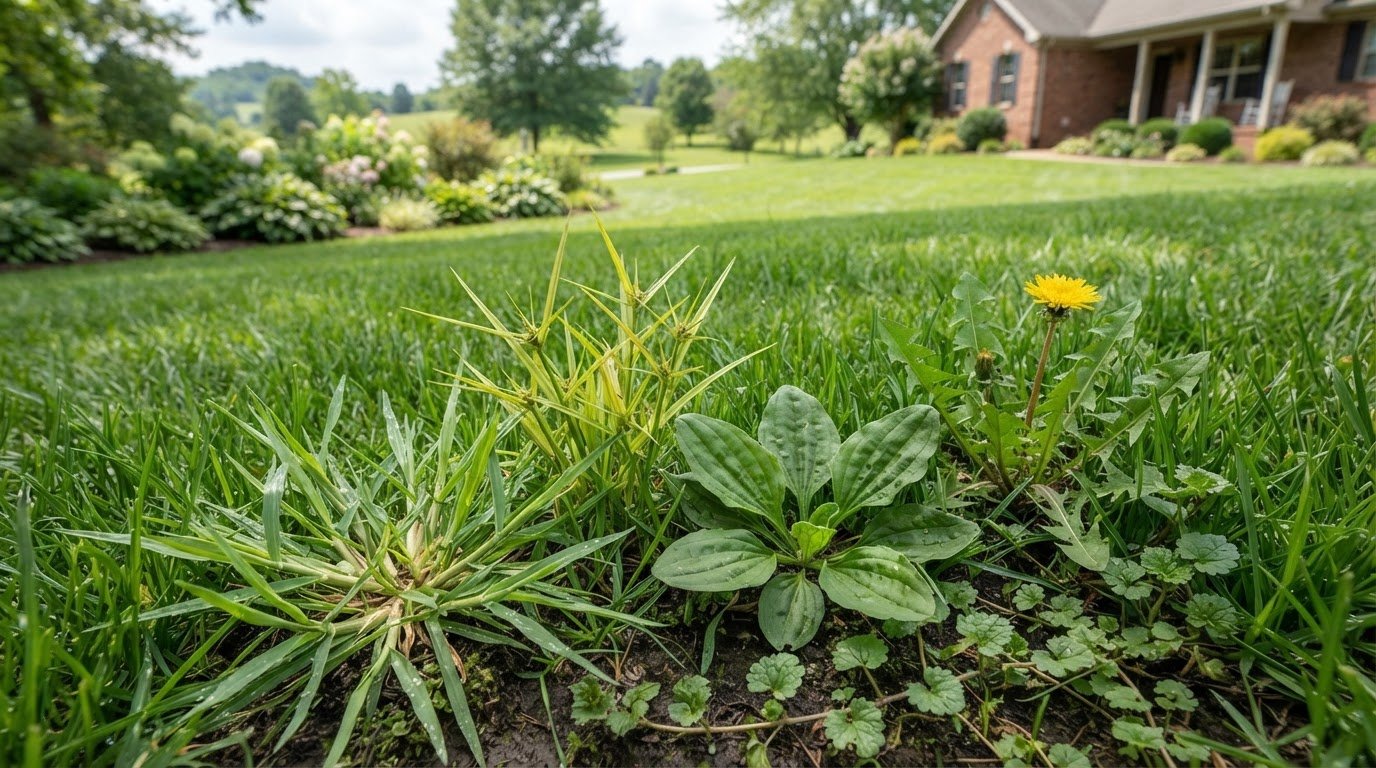
A single treatment usually won’t keep landscape beds clear throughout the growing season. A landscape bed weed control service typically involves treatments several times during each growing season, with timing guided by weed pressure. A consistent program helps manage recurring weeds such as dandelions, crabgrass, chickweed, creeping Charlie, and clover.
It’s understandable to want weeds addressed without harming the flowers and shrubs that make a bed worth maintaining. Treatments need careful placement around desirable plants, and the right approach depends on the weeds present and how established they are. Weed control also has limits: treating weeds isn’t always the same as physically removing them, especially when they’re mature or widespread.
This guide explains why a seasonal program can help, what affects treatment timing, and how technicians approach beds with flowers and shrubs. You’ll also learn what weed treatments may address, where removal and ongoing maintenance fit in, and what to expect from professional landscape bed care in Nicholasville.
How Do I Control Weeds in My Landscape Beds?
Prepare beds by identifying desirable plants, clearing movable items, and pointing out weeds that need attention. This helps technicians distinguish ornamentals from weeds and focus treatment where it’s needed.
For an overview of approaches, watch How to Keep Weeds Out of Flower Beds With or Without Chemicals :
Common Bed Weeds
Dandelions, crabgrass, chickweed, creeping Charlie, and clover commonly appear in landscape beds. Check leaf shape, growth habit, and location before removing a plant. Creeping weeds can spread along bed edges, while upright weeds may stand out among flowers. Accurate identification helps distinguish unwanted growth from groundcovers or young ornamentals.
Weeds compete with flowers, shrubs, and nearby turf for water, light, and nutrients. Dense growth can crowd ornamentals, cover lower foliage, and make beds look untidy. Weeds can also spread from a bed toward thin areas of lawn. Proper mowing, watering, fertilization, and aeration help maintain healthy turf and reduce open spaces where weeds can establish. These lawn practices complement, but don’t replace, direct bed care.
Spot Treatments for Emerged Weeds
Spot treatment targets visible weeds instead of applying treatment uniformly across every plant in a bed. First, identify the weed and note how close it is to flowers, shrubs, and groundcovers. Then direct treatment toward the unwanted growth while protecting nearby ornamentals from contact. Careful placement is especially important where foliage overlaps or weeds grow beneath low branches.
Hand-pulling can suit isolated weeds when roots come free without disturbing nearby plants. Mulch and groundcovers can help limit exposed soil, while mowing can manage weeds along bed borders. A treatment plan may combine these approaches according to weed pressure and bed layout. For related yard care, fertilizer and weed control can support the surrounding turf as part of a broader maintenance approach.
Preparing Beds for Treatment
Make ornamental plants easy to distinguish before treatment. Point out new plantings, groundcovers, and any weeds you want addressed. Move pots, hoses, or garden tools from the immediate work area, and trim foliage only if doing so won’t harm the plant. These steps give technicians a clearer view of the bed and its boundaries.
Also note where weeds are concentrated, such as beside a walkway, beneath a shrub, or along the lawn edge. That detail helps direct attention to recurring patches instead of treating the bed as one uniform space. Keep the bed accessible, and avoid pulling target weeds immediately beforehand; visible growth helps guide spot treatment. A clear work area and identified ornamentals support precise, organized care.
Are Landscape Bed Weed Treatments Safe for My Flowers and Shrubs?
Treatments can be applied around ornamental plants, but safety depends on the product, placement, and nearby vegetation. A landscape bed weed control service may involve identifying target weeds, selecting pre-emergent or post-emergent treatment, and directing application to appropriate areas.
Local regulations and seasonal restrictions depend on the circumstances. Product directions and applicable local requirements govern use, while the best timing within the growing season depends on weed growth and treatment type.
DIY weed control can harm flowers or shrubs if the product is misidentified, applied incorrectly, or drifts onto desirable foliage. Incorrect timing can also reduce effectiveness, leaving weeds to compete with ornamentals.
Pre-Emergent and Post-Emergent Options
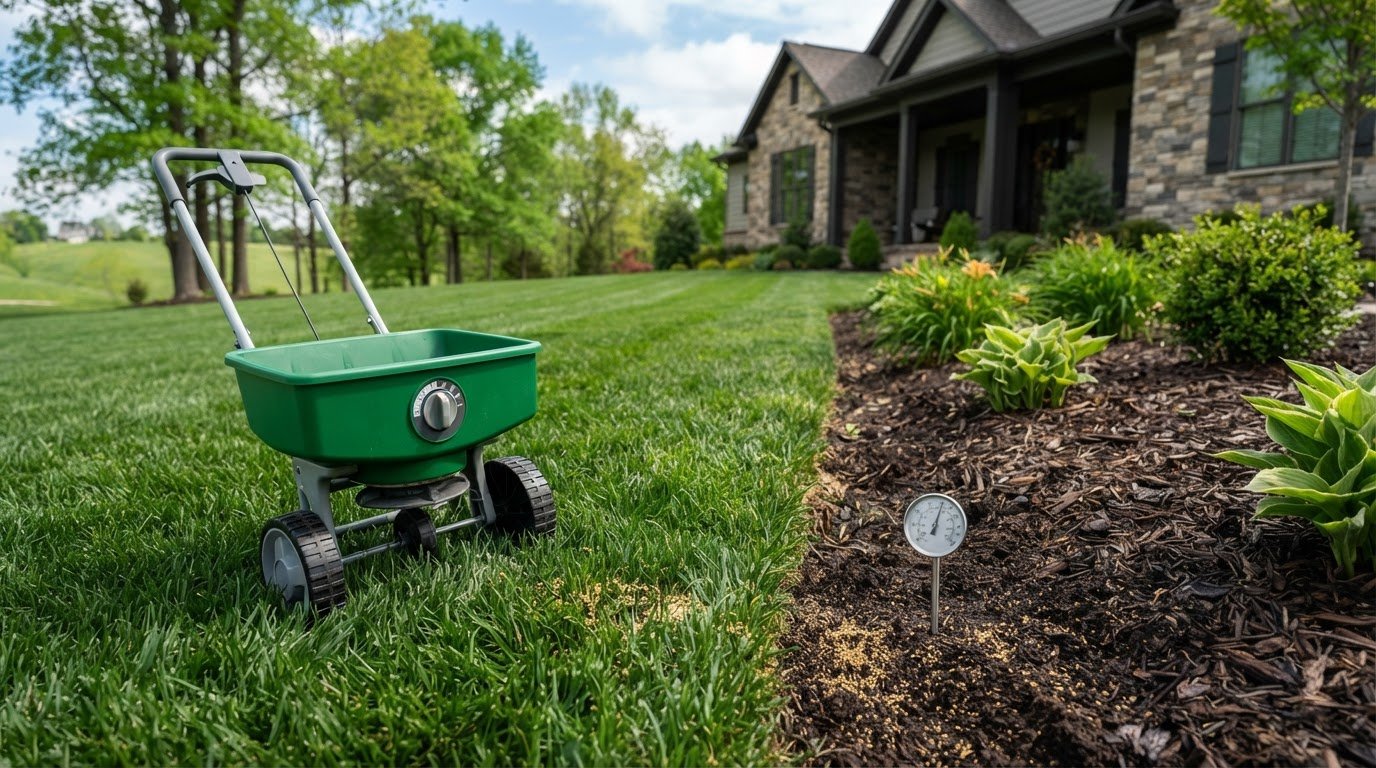
Pre-emergent treatments target weed seeds as they begin to germinate; they don’t remove established weeds. Post-emergent treatments target weeds already growing in the bed. A technician can assess whether a bed needs prevention, control of visible weeds, or both. The distinction matters near new plantings, where protecting desirable growth is part of planning the application.
Granular formulations may be used for pre-emergent treatment, but “low-toxicity” doesn’t guarantee safety in every situation. Product labels describe appropriate use and precautions. The treatment choice should account for plant types, bed conditions, and where granules or spray could move. Don’t assume one formulation suits every flower, shrub, or groundcover.
Where Treatments Belong
Landscape beds may contain mulch, gravel, and planted areas, each requiring careful placement of treatment. Target weeds without contacting desirable plants. Sidewalks and other hard surfaces aren’t planting areas; stray granules or spray can move beyond the intended spot, so precise application and cleanup matter. Take particular care along bed edges where mulch meets lawn or pavement.
Mulch can help cover exposed soil, while weeds may still emerge through gaps or accumulated debris in gravel beds. A tailored approach considers the surface and nearby plants instead of treating every section alike. Tell the technician about new flowers or shrubs and areas where weeds repeatedly return.
Timing During the Growing Season
Landscape beds generally benefit from weed treatments several times during each growing season, with the schedule depending on weed pressure. A light weed problem may call for a different plan than recurring growth across several beds. Pre-emergent applications address germination; post-emergent work addresses weeds already visible.
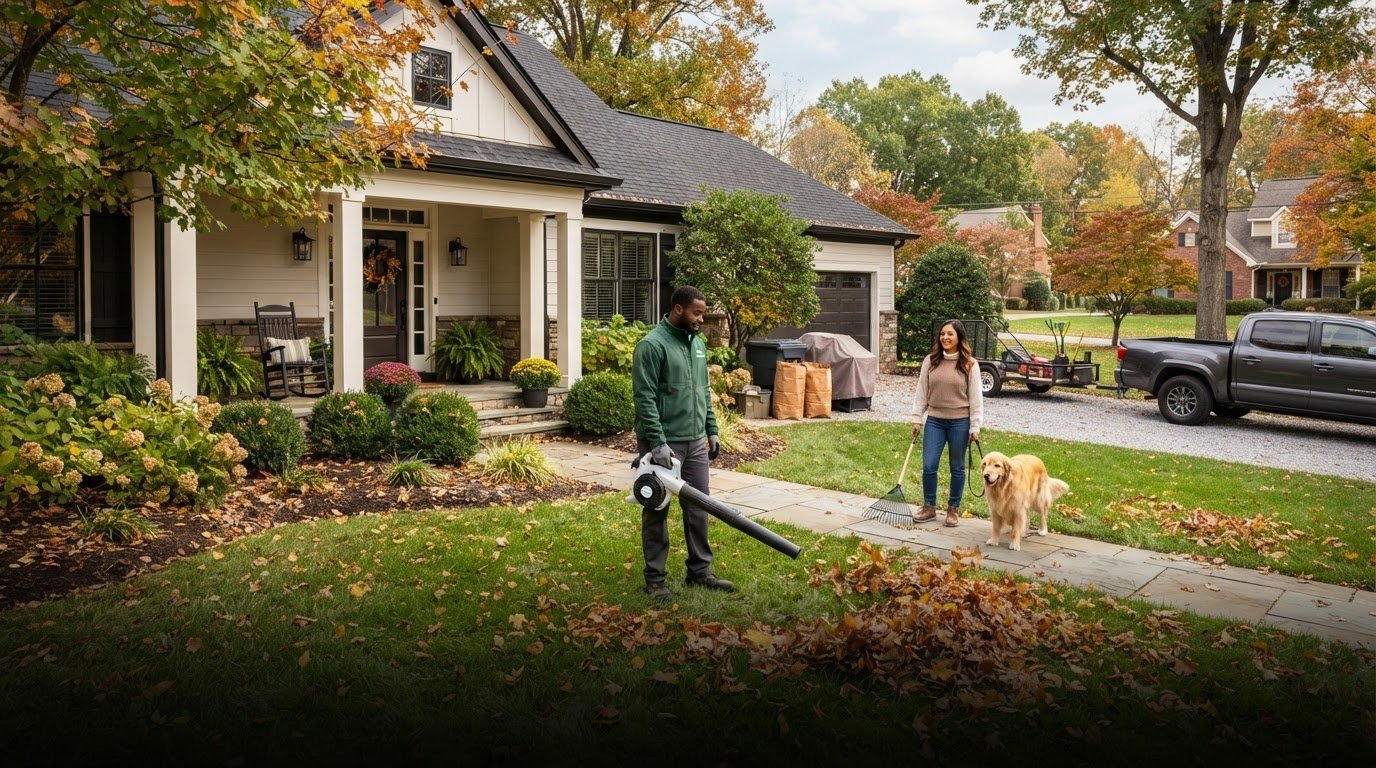
Coordinate treatment with other yard work. For example, lawn care and overseeding may require timing considerations around nearby beds and turf. Share planned planting or maintenance so the application can fit the property’s needs. For help discussing a suitable approach, contact the landscape team.
Why Do You Need a Landscape Bed Weed Control Program?
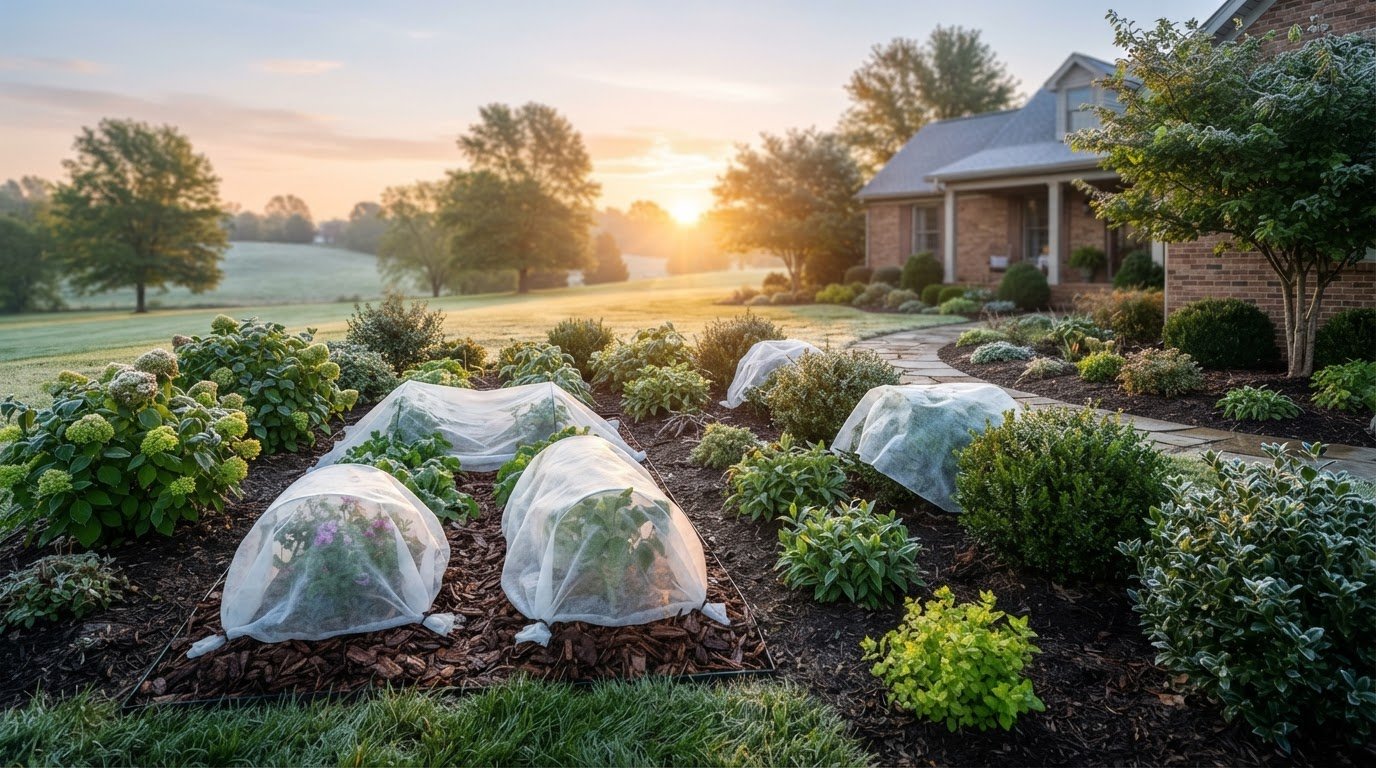
A program addresses recurring weed growth across ornamental beds rather than relying on occasional cleanup. It helps keep flowers, shrubs, and bed surfaces orderly as conditions change throughout the growing season.
When comparing landscape bed care approaches, distinguish weed suppression from physical removal and consider whether the plan accounts for flower, mulch, and rock beds. Look for clear explanations of treatment areas, timing, and how crews protect desirable plants.
Before arranging service, clarify which weeds and bed surfaces need attention, whether the work involves hand-pulling or treatment, and how applications are directed around flowers and shrubs. Consider how the plan should adapt if weeds return or new ornamentals are planted.
Weed Management Across Bed Types
Flower beds contain closely spaced ornamentals, so weed control must account for foliage, roots, and planting patterns. Rock beds can collect debris between stones, creating places where weeds emerge. Mulch beds benefit from an even cover, but weeds can still grow through thin spots or open edges. Identify bed materials and recurring weed locations before choosing management steps.
Pulling can address isolated growth when roots can be removed without disturbing nearby plants. For broader weed pressure, a control program may combine targeted treatment with bed upkeep. No single step will eliminate every weed permanently, so the approach should fit the surface and the growth present.
Targeted Treatment Around Flowers and Shrubs
Herbicide use should focus on unwanted plants, not the entire ornamental bed. Before treatment, distinguish a weed growing beside a flower from a desirable groundcover or young shrub. Placement matters where foliage overlaps, along bed borders, and beneath low branches. These details help limit contact with plants the homeowner intends to keep.
Review the approach for each bed rather than assuming one application suits every area. A gravel strip beside a walkway differs from a densely planted flower bed. Targeted weed management also leaves room for hand-pulling when a weed is too close to a valued ornamental.
Curb Appeal from Weed Control
Weeds can make otherwise cared-for beds look untidy, especially along a front walkway or around a foundation. Removing visible growth helps flower colors and shrub shapes stand out. Consistent bed edges also create a cleaner transition between mulch, lawn, and paving.
For a practical review, note where weeds interrupt the view from the street or entry. Prioritize those spots, then address less visible areas around side yards and back beds. Regular attention supports a more composed landscape, while healthy ornamentals and clean bed surfaces contribute to lasting curb appeal.
Bzak describes mulching, groundcovers, hand-pulling, and mowing as possible forms of weed control. Bzak says herbicides should be used only when necessary for weed control.
Licensed technicians and protecting surrounding plants
Careful weed treatment starts by identifying target plants and the ornamentals around them. A technician can assess bed edges, garden layout, and nearby lawn before deciding where to direct an application.
Keeping Planting Beds Clear
A consistent program focuses on recurring weed patches, exposed soil, and places where unwanted plants compete with garden flowers. Technicians can distinguish target weeds from young ornamentals before treatment, then direct attention to affected areas. This keeps bed maintenance focused instead of treating every plant or surface as a problem.
Look for weeds returning beside a walkway, beneath shrubs, or along mulch edges. These patterns help determine whether the issue calls for targeted treatment, hand removal, or attention to the bed itself. If mulch has thinned, restoring an even layer can reduce exposed soil where weeds take hold. Rock beds also need inspection, since debris can collect between stones.
Application Around Desirable Plants
Protecting desirable plants depends on accurate identification and careful placement. Before treating nearby weeds, a technician should note flowers, shrubs, groundcovers, and new plantings. Applications should stay focused on target growth, especially where ornamental leaves overlap weeds or branches extend across a bed edge.
Misidentification can damage a plant that belongs in the garden; misplaced spray or granules can also affect nearby foliage. Keep newly planted flowers visible and point out any plants that have changed recently. These details help the technician plan a precise route through the bed and avoid treating desirable growth as unwanted vegetation.
Product directions also guide how an application is used. The treatment method should fit the target weed and the bed’s layout, rather than relying on broad, indiscriminate coverage. An organized approach makes it easier to see which areas received attention and which plants need protection during the work.
Weed management is different from mosquito control. A mosquito near a shrub isn’t a weed, so a bed treatment shouldn’t be mistaken for pest control. Likewise, aeration addresses compacted lawn soil, not weeds inside a flower bed. It can support healthier turf beside beds, while targeted bed care addresses unwanted plants in the garden.
After treatment, track areas that continue to produce weeds and any new damage to ornamentals. Changes in plant growth, mulch coverage, or bed boundaries can affect future applications. Ongoing observation helps keep the program aligned with actual bed conditions, rather than repeating the same approach everywhere.
In Nicholasville, ants can spread through landscape beds before they become difficult to manage. Ticks can move through shaded turf, fence lines, and thicker yard borders around Nicholasville properties. These concerns are separate from weed identification and ornamental protection. Point out areas of concern during the visit so the technician can distinguish the requested professional landscape bed weed control service from other yard concerns. That conversation can help keep attention on unwanted plants, bed boundaries, and nearby desirable growth without assuming every treatment serves the same purpose.
Limits of the service, including weed removal
Weed control and weed removal are related, but they aren’t the same task. A treatment targets weeds or prevents some seeds from establishing; it doesn’t necessarily pull out mature plants, remove roots, or clear dead growth from a bed. Understand which work you need before planning ongoing care.
For example, a post-emergent application addresses visible weeds such as dandelions or chickweed. The plant may remain in place while the treatment takes effect, so a treated bed can still look untidy at first. Physical removal is a separate step when the goal is a cleared surface, especially around flowers or shrubs.
What Treatment Can and Can’t Do
A landscape weed program can target emerged weeds and help manage future growth. It doesn’t rebuild a bed, remove accumulated debris, or restore a thin layer of mulch. Those tasks affect how the bed looks and functions, but require maintenance beyond herbicide application.
Weed pressure changes as plants grow and conditions shift through the growing season. Seeds can arrive from nearby turf, open soil, or bed edges. Treatment may reduce weeds in its target area without preventing every new seed from reaching the property. Repeated attention helps manage recurrence, but won’t make a bed permanently weed-free.
When Physical Removal Matters
Hand-pulling or other physical removal is useful when you want visible weeds taken out. It can also suit weeds growing close to delicate ornamentals, where careful removal avoids treating nearby plants. Mature weeds with established roots may take more effort to remove than small seedlings, and pulling can disturb plants if roots are intertwined.
Clarify whether the desired result is weed suppression, removal of visible growth, or both. For instance, a gravel bed may need weeds removed from gaps as well as treatment for later growth. A mulch bed may need debris cleared and mulch replenished separately. These distinctions help define the work clearly.
Recognizing Other Yard Problems
Weeds competing with flowers for light, water, and nutrients can affect a bed’s appearance. However, weed control doesn’t diagnose disease or correct every cause of poor plant growth. Yellow leaves on a shrub, for example, may call for a separate assessment of the plant and its growing conditions.
Keep an eye on which weeds return, where they appear, and whether ornamental plants show changes after work. Those observations help distinguish recurring weed pressure from a separate garden issue. For a clear discussion of your beds and the work you want done, contact the landscape team.
Palisades Outdoor Solutions: Lawn Care & Mowing
Palisades Outdoor Solutions helps Nicholasville homeowners maintain lawns and landscapes around planting beds. Lawn Care & Mowing supports tidy turf edges, while Landscape Maintenance addresses the upkeep of outdoor spaces. These services complement bed care, but mowing alone doesn’t remove weeds growing among flowers or shrubs.
When weeds return along lawn borders or beds need broader attention, consider how the surrounding property is maintained. Mulch & Rock Installation can refresh bed surfaces, while Landscape Construction can address larger landscape changes. Matching the work to the need helps distinguish routine upkeep from physical bed improvements.
For help planning care around your lawn and landscape beds, contact Palisades Outdoor Solutions.
Plan the Next Step for Your Landscape Beds
A more manageable landscape starts with choosing a clear priority for your property. Decide whether your next goal is a cleaner bed edge, healthier surrounding turf, or a more consistent routine for the whole yard. That choice connects bed care with the rest of your outdoor maintenance rather than treating each area as an isolated task.
A landscape bed weed control service can be part of your plan, alongside Lawn Care & Mowing, Landscape Maintenance, or Mulch & Rock Installation when those needs fit your yard. Palisades Outdoor Solutions helps Nicholasville homeowners consider how these services relate to their outdoor spaces and property goals.
Take a moment to identify the beds that need attention and the result you want to achieve. Then contact Palisades Outdoor Solutions to discuss your landscape needs. A thoughtful next step can help you care for your yard with greater clarity and confidence.
Frequently Asked Questions
How to clear weeds out of flower beds?
Clear weeds by removing each unwanted plant without disturbing nearby flowers. First, identify which growth is a weed, especially where seedlings resemble planted ornamentals. Loosen the soil around the weed, then pull steadily near its base to remove as much root as possible. For weeds tangled among established plants, work carefully in small areas. Afterward, inspect bed edges and open soil where new weeds may take hold.
What kind of weed control can you use in a flower bed?
Flower beds can be managed with hand removal, mulch, groundcovers, or suitable herbicide treatments. Choose an approach based on the weed’s location and the bed’s planting density. For example, pulling may suit one weed beside a valued flower, while mulch can cover exposed soil between established plants. Reserve herbicides for situations where they’re needed, and apply them carefully around nearby ornamentals.
How often should landscape beds be treated for weeds?
Landscape beds generally benefit from treatments several times during each growing season, with timing based on weed pressure. A bed with scattered seedlings may need a different schedule from one with repeated growth across several areas. Track where weeds return and how quickly new growth appears. These observations help shape future treatment timing and focus attention on persistent patches.
What weed control methods do landscaping services use in flower beds?
Landscaping services may use hand-pulling, mulch, groundcovers, mowing near bed edges, and herbicides when needed. The method depends on whether weeds are isolated, spreading, or emerging across open soil. For instance, hand removal can address a single weed among flowers, while mulch helps cover bare areas. A well-planned approach considers bed materials and nearby plants before work begins.
What is the difference between pre-emergent and post-emergent weed control?
Pre-emergent control targets weed seeds as they begin germinating, while post-emergent control addresses weeds already growing. These approaches address different stages of weed development. For example, a pre-emergent treatment won’t remove a visible dandelion, and a post-emergent spot treatment won’t prevent every future seed from sprouting. Identifying whether weeds have emerged helps determine which method fits the immediate problem.
Are landscape bed weed control products safe for pets, children, and plants?
Safety depends on the product, how it’s used, and the plants nearby. Read and follow the product label, including instructions about application, protective measures, and when people or pets can return to treated areas. Protect flowers and shrubs by focusing treatment on identified weeds. Don’t assume a product suitable for one bed or use is suitable for every garden situation.