What if the secret to a weed-free lawn in Central Kentucky isn't about the chemicals you spray, but the calendar you follow? Most homeowners in Nicholasville and Lexington understand the frustration of watching crabgrass and dandelions invade a yard despite spending significant time and money on DIY treatments. It's discouraging to see a patchy, yellowing lawn when you've worked hard to maintain your property's curb appeal. Understanding the best time to apply weed killer in Kentucky is the first step toward reclaiming your peace of mind and your landscape's health.
In this guide, you'll learn the exact cultural practices and timing strategies required to keep invasive species out of your turf for good. We'll clarify the confusion surrounding pre-emergent versus post-emergent care and provide a clear schedule for your 2026 maintenance. From navigating the specific challenges of our transition zone climate to utilizing the latest legislative updates, this article previews everything you need for a thick, lush lawn that naturally chokes out weeds. By the end, you'll have a professional roadmap to ensure your property remains a source of pride rather than a source of stress.
Understanding the Kentucky Weed Challenge: The Transition Zone
Central Kentucky sits in a horticultural middle ground known as the transition zone. This geographic placement means Nicholasville and Lexington properties face pressure from both northern and southern weed species. While cool-season grasses like Kentucky Bluegrass struggle during our humid summers, aggressive weeds find opportunities to strike. Our regional soil is often heavy with clay, which tends to compact easily. This creates a low-oxygen environment where grass roots suffer but hardy weeds thrive. The most effective way to manage these invaders is through property stewardship that prioritizes turf density. A thick, healthy lawn acts as a natural barrier, physically blocking sunlight from reaching the soil surface. When your grass is dense, it naturally chokes out competition, reducing the need for heavy chemical intervention. Understanding the best time to apply weed killer in Kentucky starts with recognizing that a strong defense is your most reliable tool.
Cool-Season vs. Warm-Season Invaders
Weeds in our region don't all arrive at once. Some species, like henbit and chickweed, emerge in the cool moisture of March. Others, such as crabgrass, wait until the soil warms significantly in July. This staggered growth cycle is why a single application rarely provides year-round protection. Broadleaf weeds often compete directly with Kentucky Bluegrass for nutrients during the spring and fall. Additionally, the high humidity levels in Fayette and Jessamine counties can weaken your turf through fungal diseases, leaving open patches that weeds quickly fill. Consistent monitoring is necessary to ensure your lawn remains resilient against these seasonal shifts.
Why DIY Weed Control Often Fails in Lexington
Many homeowners find that store-bought products don't deliver the promised results. These one-size-fits-all solutions are designed for a national market and often lack the specific concentrations needed for Kentucky's stubborn varieties. Success depends entirely on precision. If you miss the window for the best time to apply weed killer in Kentucky , the product may sit on the surface without reaching the root system or germinating seeds. Many people also underestimate the "weed seed bank" in their yard. The weed seed bank is a hidden reservoir of dormant seeds resting within your soil, often numbering in the thousands per square foot, just waiting for the right light and moisture to sprout. Professional fertilizer and weed control strategies account for this biological reality, providing the steady, reliable care needed to maintain a pristine landscape.
Identifying the Big 3 Weeds in Central Kentucky
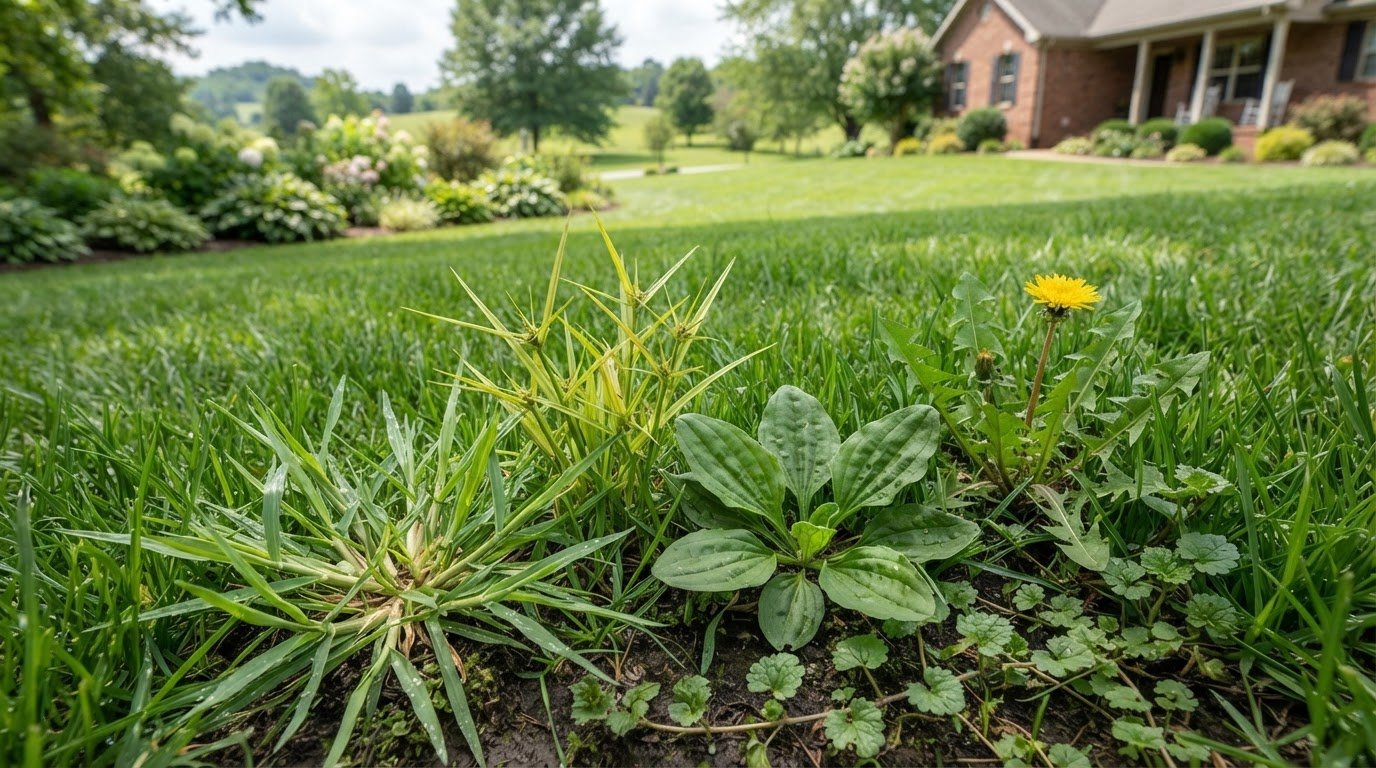
Successful lawn stewardship requires knowing exactly which intruders are competing with your turf. In Central Kentucky, three specific weeds cause the most trouble for homeowners. Crabgrass is a summer annual that thrives in the intense July heat, quickly filling any bare spots in your lawn. Because it produces thousands of seeds before the first frost, managing its spread is a multi-year commitment. Dandelions represent a different challenge; as perennials, they possess deep taproots that survive our winters. While their yellow flowers are a sign of spring, the best time to apply weed killer in Kentucky for dandelions is actually the fall, specifically from mid-September through early November, when the plant naturally transports nutrients to its root system for winter storage. White Clover often appears in lawns with low nitrogen levels. It uses specialized nodules to pull nitrogen from the air, giving it a competitive advantage over hungry grass. You'll also likely notice purple-flowered Henbit or small, white Chickweed during the early spring, which serve as reminders that weed pressure is a year-round reality.
Grassy Weeds vs. Broadleaf Weeds
Effective treatment depends on identifying the weed's physical structure. Grassy weeds like crabgrass or nimblewill look similar to your actual lawn, making them difficult to spot until they've matured. They grow from a single seed and have parallel veins in their leaves. Broadleaf weeds are easier to identify due to their wider leaves and net-like vein patterns. This distinction is vital because the chemicals used to treat a dandelion could easily damage your grass if the product isn't "selective." In Nicholasville, many homeowners mistake nimblewill for a desirable grass, only to realize it's an invasive species that turns brown early in the fall, leaving unsightly patches in an otherwise green yard.
The Lifecycle of a Kentucky Weed
Understanding the difference between annual and perennial lifecycles helps you time your maintenance for the 2026 season. Annual weeds complete their life in one season, but they leave behind a massive seed bank. These seeds can remain dormant in your soil for several years, waiting for the right temperature to sprout. Perennial weeds return year after year from the same root system, getting stronger with each season. Hardened, compacted soil often invites weeds like Broadleaf Plantain, which thrives where grass roots cannot penetrate. If your lawn feels like concrete during a dry August, it's providing the perfect habitat for these stubborn survivors. Knowing the best time to apply weed killer in Kentucky is essential for stopping this cycle. If you're unsure which species are invading your property, reaching out for a professional lawn assessment can provide the clarity needed for a long-term solution.
Cultural Practices: Preventing Weeds Naturally
While chemical applications are a cornerstone of property stewardship, they're most effective when paired with proactive cultural habits. Creating a dense, resilient turf canopy is the single best way to prevent weed encroachment. When your grass is healthy and thick, it physically occupies the space that weeds would otherwise claim. This biological defense strategy reduces your reliance on herbicides and ensures that when you do reach the best time to apply weed killer in Kentucky , the products have fewer targets to hit. By focusing on the fundamentals of lawn health, you create an environment where desirable grass thrives and invasive species struggle to survive.
Mowing for Weed Suppression
Proper mowing is perhaps the most overlooked tool in a homeowner's arsenal. For the cool-season grasses common in Nicholasville and Lexington, such as Tall Fescue and Kentucky Bluegrass, you should maintain a height of 3.5 to 4 inches. Taller grass provides a critical service: it shades the soil surface. This shade prevents sunlight from reaching the weed seeds waiting in your soil's seed bank, effectively halting their germination. It's also vital to follow the "One-Third Rule," which dictates that you never remove more than one-third of the grass blade in a single cutting. Adhering to this rule prevents plant stress and encourages deeper root growth. Sharp mower blades are equally important; dull blades tear the grass, leaving jagged edges that invite disease and weaken the turf's natural defenses.
Nutrient Management as Defense
A hungry lawn is a vulnerable lawn. When turf lacks essential nutrients, it thins out, leaving gaps for opportunistic weeds to fill. Nitrogen is particularly important for maintaining density. In many Central Kentucky yards, a sudden appearance of white clover is a clear signal that the soil is nitrogen-deficient. Since clover can pull nitrogen from the air, it easily outcompetes starving grass. Regular fertilization provides the steady supply of nutrients your lawn needs to stay aggressive. Understanding the best time to apply weed killer in Kentucky works in tandem with a structured nutrient program to ensure your grass remains the dominant species in your landscape.
Watering habits also play a significant role in weed prevention. Many homeowners make the mistake of shallow, daily misting, which encourages weak, surface-level roots and creates damp spots where weeds flourish. Instead, aim for deep, infrequent irrigation that saturates the root zone. Providing approximately one inch of water per week encourages roots to grow deep into the soil. Proper irrigation maintenance ensures your system delivers water evenly, preventing the soggy patches that often become breeding grounds for nutsedge and other moisture-loving invaders.
The 2026 Kentucky Weed Protection Calendar
Managing a property in Nicholasville or Lexington requires a methodical approach that aligns with our local climate. The best time to apply weed killer in Kentucky isn't a single date on the calendar, but a series of strategic windows dictated by soil temperature and plant biology. Planning your 2026 maintenance schedule ensures that you're always one step ahead of invasive species. This proactive stewardship transforms your lawn from a source of frustration into a stable, healthy environment that enhances your home's value.
- Spring (March-April): This is the most critical window for preventing annual grassy weeds. Focus on pre-emergent barriers before seeds have a chance to sprout.
- Summer (June-August): Shift your strategy to spot-treating stubborn broadleaf weeds. During this period, prioritize heat stress management to keep your turf resilient.
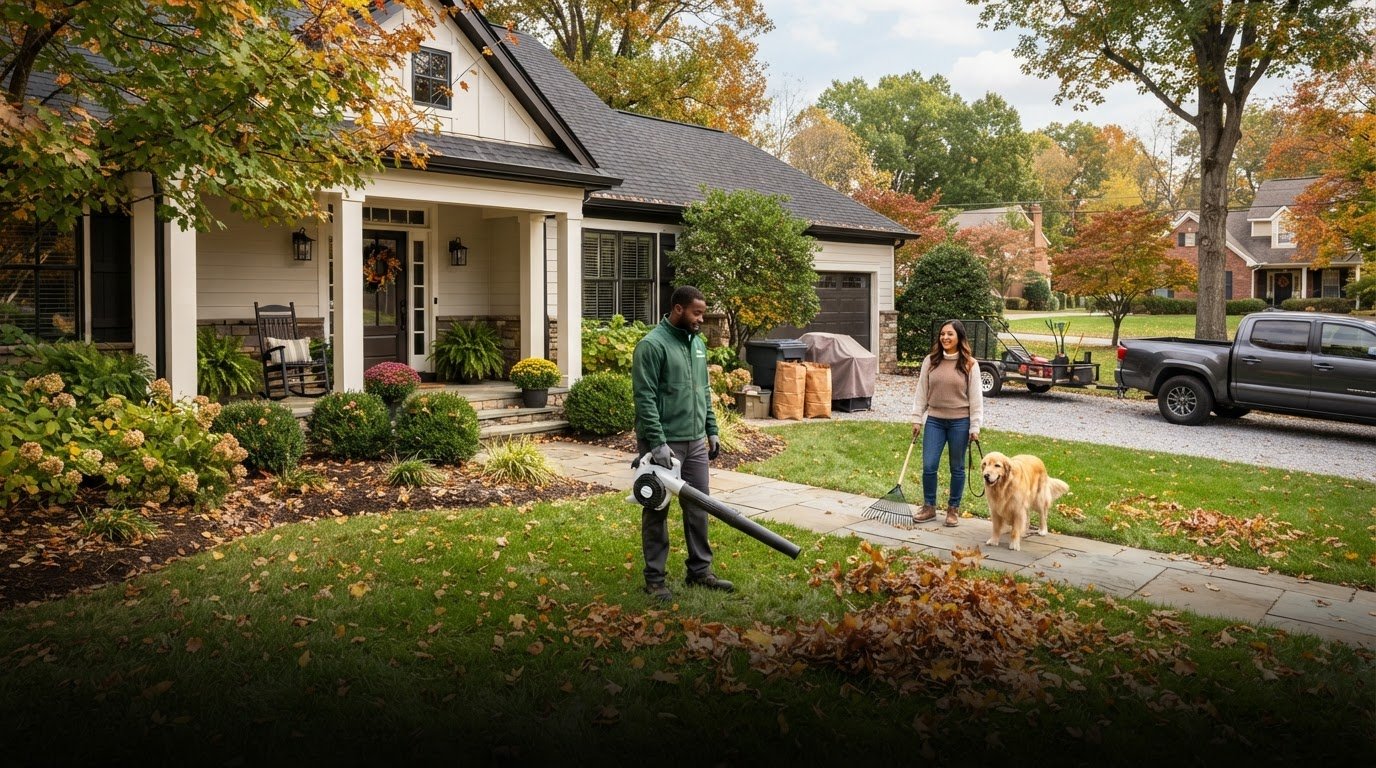
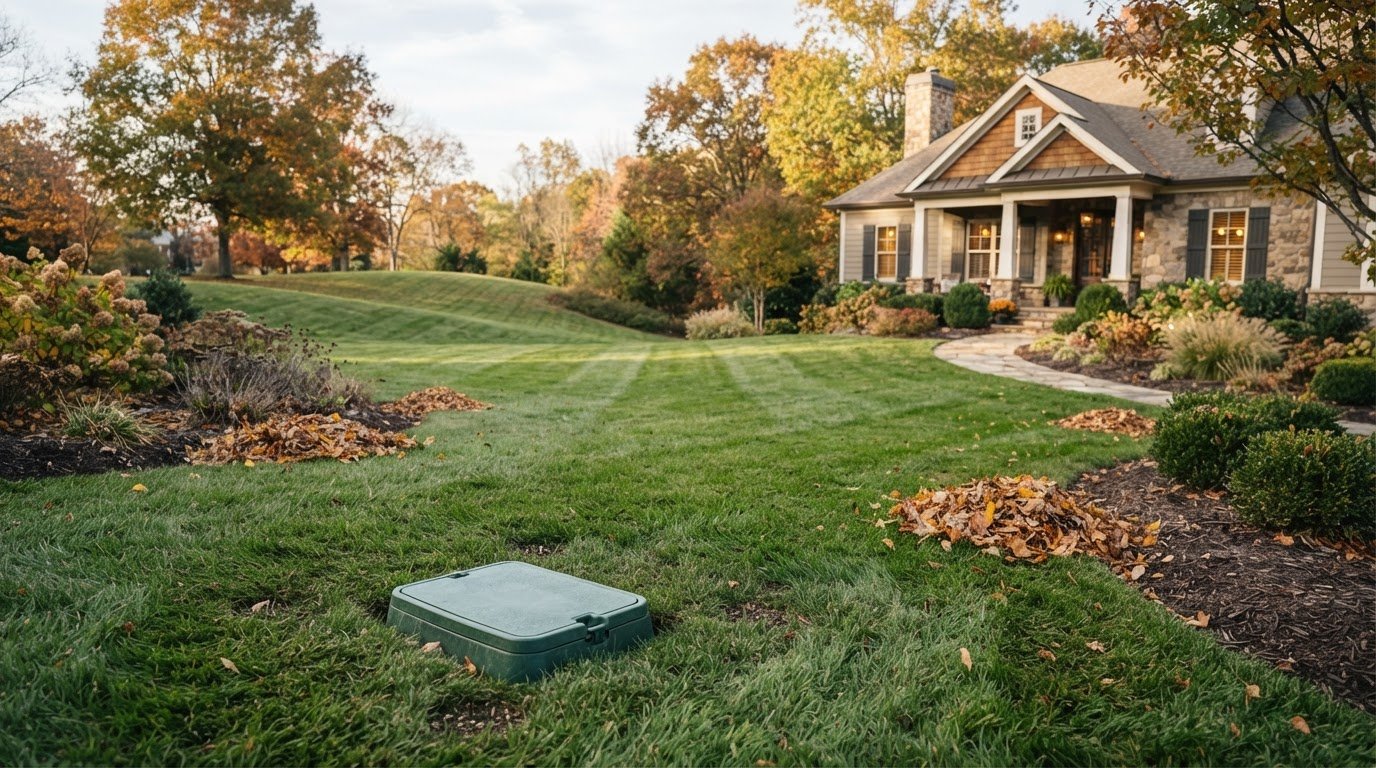
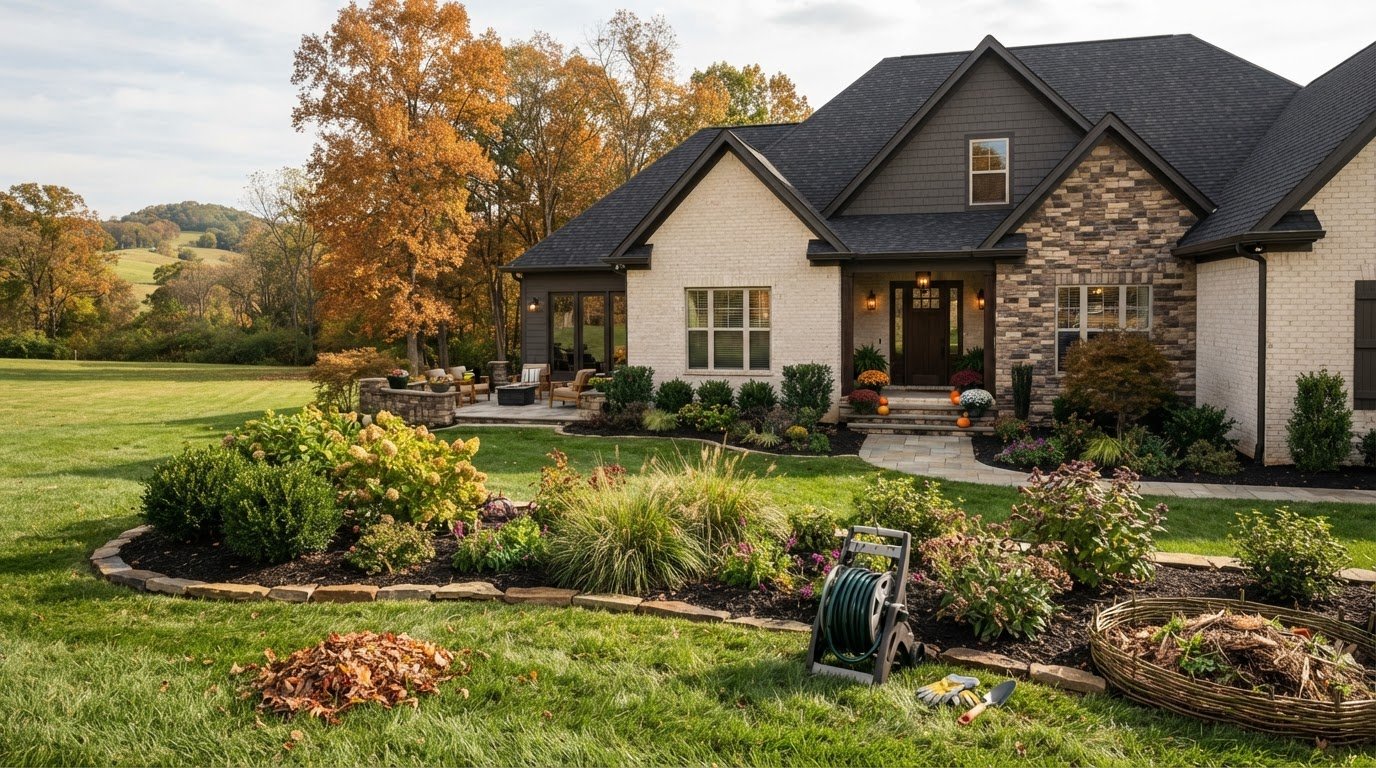
- Fall (September-October): This is the ideal season for aeration and overseeding. Strengthening the lawn now is the best defense for the coming year.
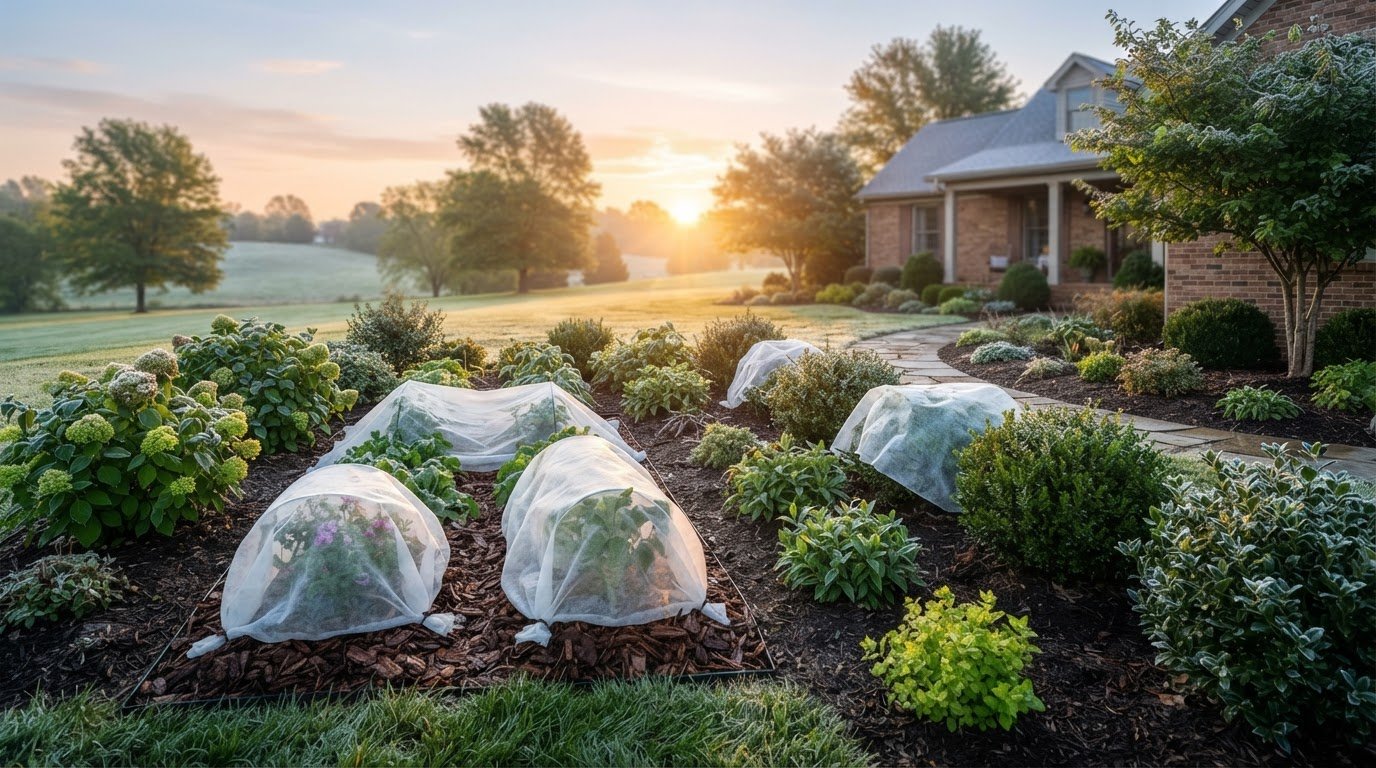
- Winter (November-February): Use these months for dormant care and planning. It's a time to review your soil health and prepare for the spring surge.
The Pre-Emergent Window
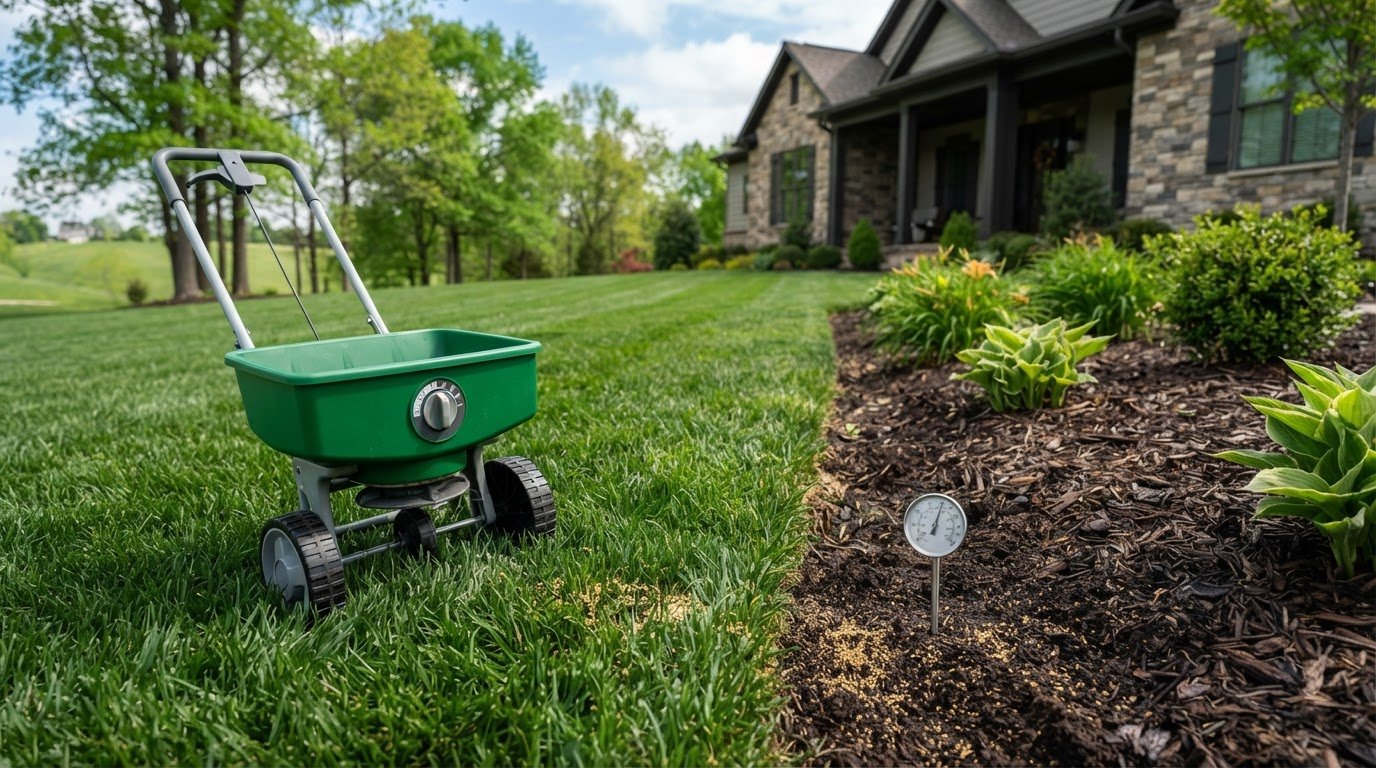
Timing is everything when it comes to crabgrass prevention. In Central Kentucky, the window for pre-emergent herbicides typically occurs between March 10 and March 25. You must apply these products before soil temperatures consistently reach 55 degrees Fahrenheit. Once the ground warms past this point, crabgrass seeds begin to germinate, and traditional pre-emergents lose their effectiveness. If you miss this spring window, you'll be forced to use more aggressive post-emergent chemicals later in the summer, which can be harder on your turfgrass and your budget.
Fall: The Secret Weapon for Weed Control
Many homeowners overlook the fall, but it's actually the most important season for Kentucky lawn health. The best time to apply weed killer in Kentucky for perennial broadleaf weeds like dandelions is from mid-September through early November. During these weeks, weeds are actively transporting nutrients to their roots for winter storage, allowing herbicides to be pulled deep into the plant for a more complete kill. Combining this with professional aeration ensures that new grass seed can establish itself without competition. By increasing turf density in the fall, you naturally block the sunlight that next year's weeds need to grow. For a deeper look at this process, see The Homeowner’s Guide to Lawn Aeration and Overseeding in Kentucky.
Maintaining a pristine landscape requires precision and local expertise. If you want to ensure your property receives the right treatment at the exact right time, contact our team today to schedule your 2026 lawn care program.
Professional Weed Control in Nicholasville: The Palisades Difference
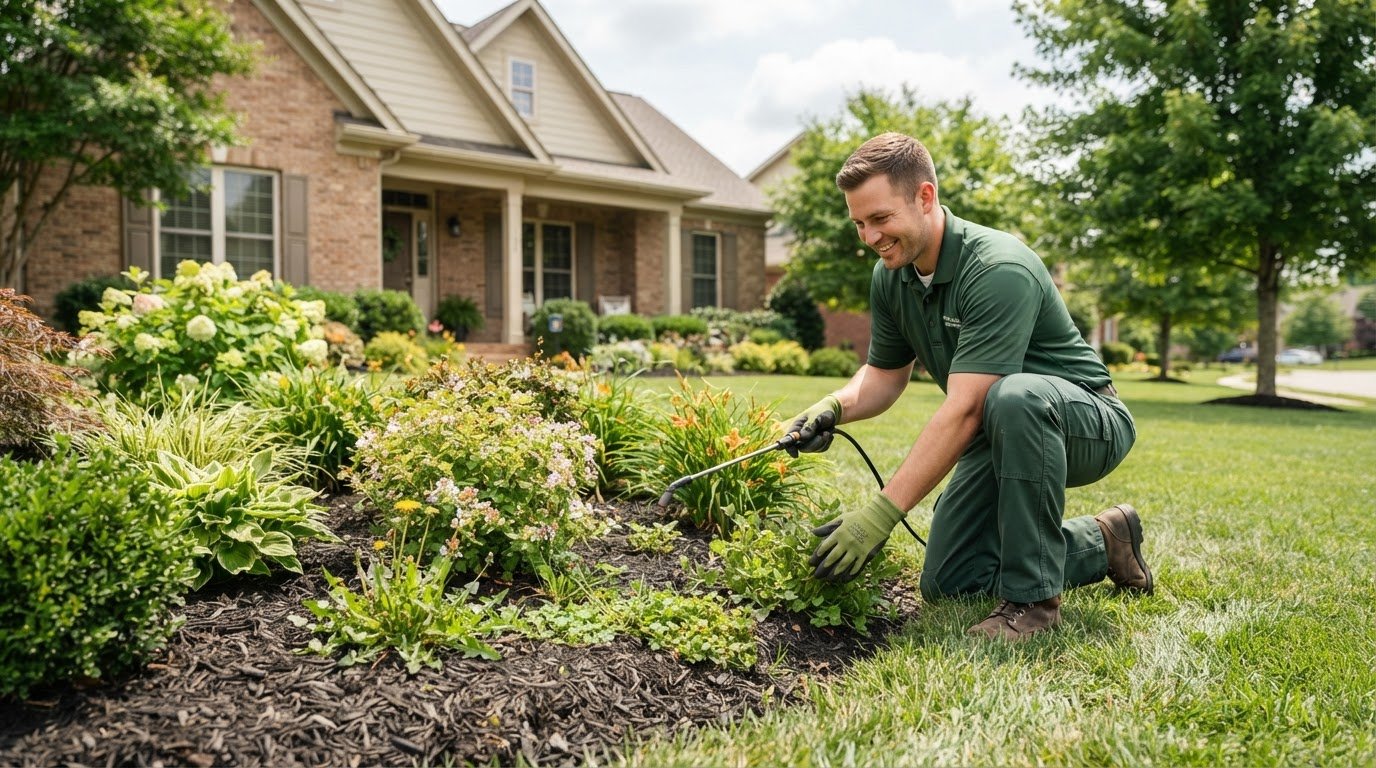
Professional lawn care is about more than just convenience; it's about precision and property stewardship. While homeowners can identify the best time to apply weed killer in Kentucky , executing a successful program requires access to specialized products and calibrated equipment. Professional-grade herbicides are often more selective and effective than the diluted options found in big-box stores. These solutions allow for targeted treatment that eliminates invasive species without stressing your desirable turfgrass. At Palisades Outdoor Solutions, we approach every property with quiet confidence, ensuring that your landscape remains a safe and healthy environment for your family and pets.
We utilize Integrated Pest Management (IPM) to maintain your lawn's health through a holistic lens. Rather than relying solely on chemical intervention, we focus on the biological needs of your soil and grass. This methodical approach identifies the root causes of weed outbreaks, such as compaction or nutrient imbalances. Investing in professional fertilization and weed control actually saves you money over time. It prevents the need for expensive "rescue" treatments or full lawn renovations that often follow failed DIY attempts. You gain the peace of mind that comes from knowing your property is in the hands of a dependable partner who values meticulous detail.
Customized Treatment Plans
A "spray-and-pray" approach rarely succeeds in the challenging Kentucky transition zone. Every property in Nicholasville and Lexington has a unique profile based on its specific grass types and soil conditions. We begin by understanding the nutrient balance of your soil, which allows us to tailor our applications to your yard's specific deficiencies. Whether you're managing a delicate Kentucky Bluegrass lawn or a hardy Tall Fescue turf, our treatments are adjusted to provide maximum protection without causing damage. This level of customization ensures that when the best time to apply weed killer in Kentucky arrives, your lawn receives exactly what it needs to thrive.
Total Property Stewardship
True landscape beauty comes from a cohesive maintenance strategy. By combining expert weed control with comprehensive landscape maintenance, we ensure that every element of your outdoor space is healthy and vibrant. This integrated service model means your mowing, fertilization, and weed management work together to create a resilient ecosystem. You don't have to worry about missed windows or improper product ratios. We provide the steady, reliable care required to keep your property in peak condition throughout the 2026 season and beyond. If you're ready to see the difference that professional expertise makes, contact Palisades Outdoor Solutions for a thorough weed-free lawn evaluation.
Secure the Future of Your Central Kentucky Lawn
Maintaining a pristine property in Nicholasville and Lexington requires a blend of scientific precision and local expertise. You've learned that while identifying the best time to apply weed killer in Kentucky is essential for stopping invaders like crabgrass and dandelions, true success comes from a comprehensive year-round lawn care program. By prioritizing turf density through proper mowing heights and nutrient management, you transform your yard from a battleground into a stable, thriving ecosystem that naturally resists future infestations.
Our team of local Nicholasville experts provides the meticulous attention to detail your landscape deserves. We take the guesswork out of seasonal maintenance, ensuring your property remains a source of pride and peace of mind through every season. If you're ready to stop the cycle of DIY frustration and invest in long-term results, Request Your Professional Weed Control Estimate today. A healthy, vibrant green lawn is well within your reach for the 2026 season.
Frequently Asked Questions
When is the best time to apply weed killer in Kentucky?
The best time to apply weed killer in Kentucky depends entirely on the weed's lifecycle. For annual grassy weeds like crabgrass, you should apply pre-emergent barriers in mid-March before soil temperatures reach 55 degrees. For perennial broadleaf weeds like dandelions, the most effective window is mid-September through early November. This fall application allows the plant to carry the herbicide deep into its root system, ensuring more consistent results for your Nicholasville property.
Does mowing high really help stop weeds from growing?
Yes, maintaining a taller lawn is one of the most effective natural defenses against invasive species. When you mow your grass to a height of 3.5 to 4 inches, the taller blades shade the soil surface. This lack of sunlight prevents dormant weed seeds in the "seed bank" from germinating. It also encourages deeper root systems, making your turf more resilient during the humid Central Kentucky summer months.
Why do I have more weeds after I aerated my lawn?
Aeration is a vital maintenance practice, but it can temporarily increase weed visibility by bringing dormant seeds to the surface. When the soil is opened to allow oxygen and nutrients to reach the roots, those seeds are also exposed to light and moisture. To prevent this, we recommend following aeration with high-quality overseeding. Filling those new openings with desirable grass seed ensures that your lawn becomes too dense for weeds to establish.
Can I get rid of dandelions without killing my grass?
You can successfully eliminate dandelions without harming your turf by using selective broadleaf herbicides. These professional-grade products target the specific physiology of broadleaf plants while leaving Kentucky Bluegrass and Fescue unharmed. Timing is critical for this process. While many homeowners spray in the spring, treating dandelions in the fall provides superior control because the plant is naturally moving nutrients down to its roots for winter storage.
What is the most common weed in Lexington, KY?
Crabgrass is arguably the most prevalent weed in Lexington and the surrounding Jessamine County area. It thrives in the intense summer heat and spreads rapidly in thin or underwatered lawns. Other frequent offenders include dandelions, white clover, and nimblewill. Because Central Kentucky sits in the transition zone, our properties face a unique mix of both northern and southern invaders, requiring a diverse and steady management strategy throughout the growing season.
Is professional weed control safe for my pets in Nicholasville?
Professional weed control is safe for pets when applied with care and allowed to dry completely. At Palisades Outdoor Solutions, we prioritize property stewardship and follow strict application protocols to protect your home environment. Once the treatment has dried, which typically takes a few hours depending on the weather, it's safe for your pets to return to the yard. Professional applications are often more targeted and precise than store-bought solutions.
How often should I fertilize my Kentucky lawn to prevent weeds?
A standard professional program typically includes four to six applications per year to maintain optimal turf density. Regular fertilization provides the steady supply of nitrogen and nutrients needed to keep your grass thick and competitive. When your lawn is properly fed, it naturally chokes out weeds like white clover, which often appears in nutrient-deficient soil. Understanding the best time to apply weed killer in Kentucky alongside a consistent fertilization schedule ensures long-term landscape health.