Organic buildup is a key reason Nicholasville walks and drives need regular cleaning. Most homes do well with exterior cleaning every 12 to 24 months, while the timing for concrete depends on how quickly tire marks, red clay, algae, moisture, and leaves accumulate. Professional concrete cleaning services in Nicholasville can address these deposits and refresh the surface.
Dark tire marks and clay splashes are easy to spot, but damp leaves and other organic matter can also accumulate and leave concrete looking neglected. A regular cleaning routine helps keep walks and drives presentable and makes it easier to notice areas that need attention. This guide explains how common stains form, why organic buildup matters, and what to consider when cleaning concrete in Nicholasville. It also covers how shade, surface buildup, and the area’s size can shape a practical maintenance plan.
Concrete cleaning for sidewalks and walkways
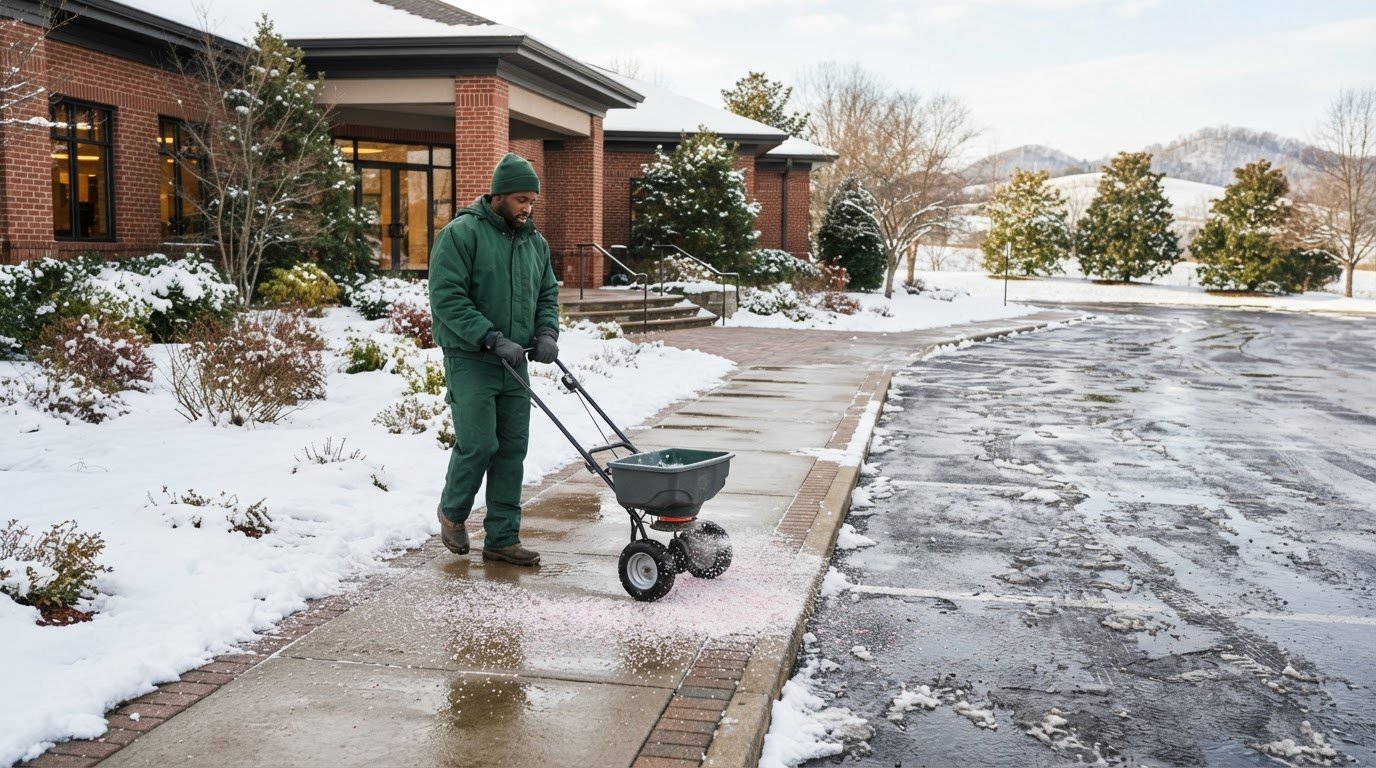
Nicholasville sidewalks can collect tire residue, red clay, algae, and organic matter. Effective cleaning starts by identifying the type of buildup and pretreating marked areas before washing.
Nicholasville Sidewalk Cleaning
Sidewalk cleaning in Nicholasville can include concrete paths leading to entries, running beside driveways, and bordering landscape beds. Pretreating stains before washing helps loosen visible marks instead of relying on water pressure alone.
Inspect shaded sections, joints, and edges near soil. Wet leaves left beside a planting bed, for example, can leave organic residue on nearby concrete. Red clay may splash onto a walk where exposed soil meets the pavement. Identifying these spots helps establish priorities and define the work.
A practical cleaning sequence is to remove loose leaves and debris, pretreat marked areas, clean the concrete evenly, and rinse away loosened residue. Consistent passes help reduce visible stripes across a sidewalk. Where the walk meets a [paver patio](https://www.palisadeslawnlandky.com/paver-patios), treating the materials as separate surfaces accounts for their different textures.
This section focuses on Nicholasville, Kentucky. The property’s location is relevant when planning service, so nearby locations should not be assumed to fall within the same service area.
Quotes and Pricing Factors
Concrete cleaning quotes depend on the area’s size, stain type, buildup, access, and required cleaning steps. Pricing is provided after a quote request, with those conditions shaping the scope. A long walkway with clay deposits may need different preparation from a short, lightly soiled path.
Ask which stains will be pretreated, how the cleaning approach suits the concrete, and which areas are included. These details clarify whether the scope covers the full walk, its edges, and transitions, rather than just the most visible section.
Pressure washing can damage concrete if the pressure is excessive or the technique is unsuitable. A careful approach takes the slab’s condition into account, especially where the surface is worn or aggregate is exposed.
Before scheduling sidewalk cleaning, identify the main stains and note loose debris or visible wear. Describing these areas helps define which sections need attention and what preparation they require. A shaded walk with algae and leaf residue, for example, presents different cleaning needs from a driveway-side path marked mainly by tire transfer.
Driveway cleaning for tire marks and red clay
Driveway cleaning addresses tire marks, soil splashes, and grime across the concrete. In Nicholasville, exposed soil near new construction can send red clay onto pavement during heavy rain.
Driveway Washing
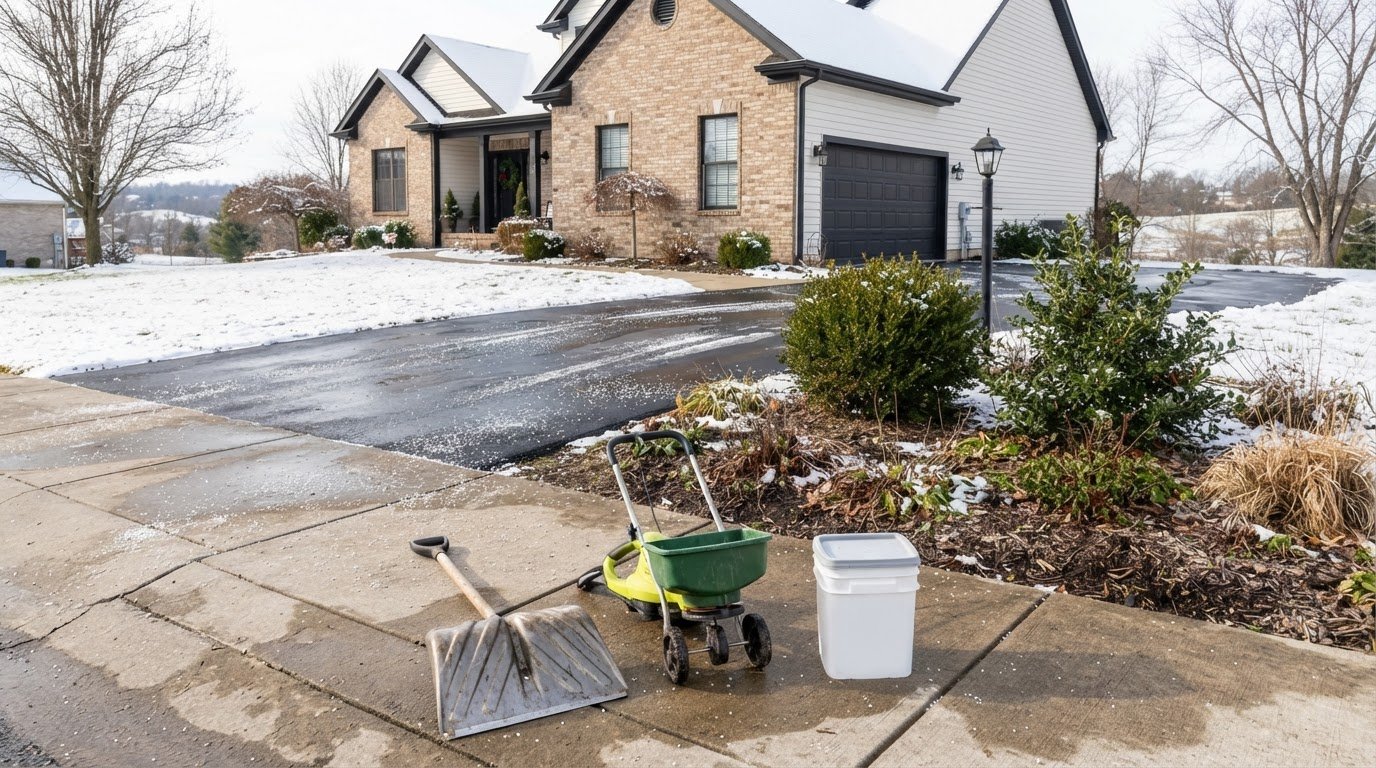
Driveway cleaning can cover the paved area from the street entrance to the garage or parking pad. Before work begins, identify tire tracks, clay deposits, and shaded patches. This gives the cleaning plan clear priorities and helps distinguish soil stains from rubber transfer.
A surface cleaner can provide even coverage across a newer driveway. Its broad cleaning path helps avoid inconsistent bands that can appear with a narrow spray pattern. The process may include pretreating visible marks, making overlapping passes, and rinsing loosened residue from the concrete.
Heavy rain can splash red clay onto lower siding and concrete in Nicholasville, particularly where soil remains exposed around new construction. Removing loose soil near the driveway can help limit repeated splashing. When clay has dried, pretreatment before washing helps address the deposit rather than simply spreading it with water.
Pressure washing and soft washing use different approaches. Pressure washing applies a pressurized water stream, while soft washing relies more on cleaning solution and lower pressure. For concrete, the method should suit the stain, the slab’s condition, and nearby materials.
Concrete Stain and Oil Removal
Oil and other driveway stains need attention before broad surface cleaning. Identify each marked area, remove loose debris, and pretreat the stain before washing. A dark spot beside a parked vehicle, for example, may need focused treatment rather than repeated passes across the entire driveway.
Oil can remain visible after surface cleaning, particularly if it has soaked into porous concrete. Results depend on the stain and the slab’s condition, so pressure alone should not be expected to remove every mark. For commercial concrete in Nicholasville, the same considerations apply across larger paved areas: identify stains, assess access, and plan even cleaning passes.
The scope of driveway cleaning depends on the area’s size, the type and extent of buildup, access, and preparation required. When describing the project, point out tire marks, clay, and oil spots to help define the work.
Before choosing a concrete cleaning service, ask which areas are included, how stains will be pretreated, and what method suits the slab. Clarify how the plan accounts for nearby siding and landscape edges. Clear answers help you assess whether the proposed work addresses the driveway’s actual needs.
For a driveway-specific scope, share the driveway details, including visible stains and clay buildup.
Algae and moisture buildup
Persistent moisture can allow algae to cling to concrete in Nicholasville. Shaded walks, damp patio corners, and areas beneath leaking irrigation lines can develop green or dark patches. Cleaning removes visible growth, while identifying the moisture source helps address conditions that encourage it to return.
Note where concrete stays damp after rain or irrigation. A walk beside dense shrubs may dry more slowly than an open driveway. Downspout discharge, low spots, and sprinkler overspray can also keep nearby slabs wet. These observations help distinguish a surface-cleaning need from an ongoing drainage or watering issue.
Organic debris can make the problem worse. Leaves, grass clippings, and settled soil hold moisture against concrete, especially along landscape edges. Clear loose material first, then focus cleaning on affected patches and the surrounding slab. Treating only the green mark can leave nearby residue that makes the cleaned area look uneven.
A practical cleaning sequence includes:
- Move leaves, planters, and loose debris away from the affected concrete.
- Identify damp areas near sprinklers, downspouts, and shaded beds.
- Pretreat visible growth and organic residue before cleaning the slab.
- Rinse the loosened material away, including from joints and edges.
- Let the surface dry, then observe whether the same area remains damp.
A patio corner beneath a dripping gutter, for example, may show algae again after visible growth is removed. Correcting water discharge and clearing nearby leaves addresses contributing conditions alongside the surface. A walkway beside an irrigated lawn may need sprinkler adjustment if water repeatedly lands on the concrete.
Check joints and transitions as well. Soil and leaf fragments can collect where a walkway meets a planting bed or patio. Removing that material limits the damp layer that supports organic buildup. During cleanup, avoid pushing debris into joints, where it can remain trapped against the concrete.
Cleaning and moisture management work together. If a patch returns, compare its location with nearby shade, irrigation patterns, and water flow after rain. A dry, open section beside a persistently damp one may help reveal the source. Recording these observations gives future cleaning a clearer focus and helps maintain a more consistent appearance.
For properties near the Nicholasville Historic District, consider adjacent materials when planning cleanup: the district includes brick buildings from the 1800s. Keep the work area and runoff in view, especially where concrete meets other surfaces, and remove loose organic material without spreading it onto nearby masonry or back into joints. A recurring damp patch may justify comparing cleaning needs with the water source before choosing a service. Describe the affected slab, the persistent moisture, and the visible buildup clearly when requesting an estimate; this helps keep attention on the actual scope rather than treating every surface as though it has the same condition.
Ask for an estimate that identifies the concrete areas included and clarifies whether the work covers only visible growth or the surrounding slab as well. A clear scope makes it easier to compare options and observe the area after it dries.
Cleaning organic matter from concrete
Leaves, pollen, grass clippings, and seed pods can collect on Nicholasville patios and walks. As they break down, they leave residue that dulls concrete and gathers along edges. During March and April, spring pollen can add another layer of buildup. A patio beneath flowering trees may need different attention from an open driveway with little overhanging growth.
Remove loose material before washing. Sweep leaves from the slab, clear debris from corners, and move planters to reach the concrete underneath. Beside a garden bed, check the seam where soil, mulch, and pavement meet. This boundary often traps damp leaves and fine debris that a quick rinse can miss.
Distinguish loose organic debris from residue stuck to the surface. Dry leaves can be swept away, while a flattened leaf stain may need pretreatment before cleaning. Grass clippings can cling after mowing, especially where moisture remains. Identify the buildup first, then choose a method suited to the concrete and the material.
- Remove loose leaves and clippings before applying water.
- Clear corners and joints where seed pods or soil have collected.
- Pretreat adhered organic marks before cleaning the broader slab.
- Rinse residue away from the surface and nearby edges.
- Check the cleaned area after drying for remaining discoloration.
Pay attention to where rinse water goes. Directing debris toward a planting bed can leave it piled against the concrete edge. For example, wash water carrying pollen and leaf fragments may settle beside a patio. Clear the edge after cleaning, then inspect joints for trapped material. This final step helps the whole surface look consistent.
Organic buildup can return if branches, planters, or lawn clippings keep depositing material in the same spot. A concrete landing under a tree may repeatedly collect leaves, while a path beside a lawn may receive fresh clippings after mowing. Regular sweeping between deeper cleanings removes loose matter before it settles and becomes harder to clear.
Let the surface’s condition guide the next cleaning. Compare exposed sections with shaded areas, and note where residue remains after sweeping. A visible line beneath a planter, for instance, can indicate where moisture and debris stayed trapped. Addressing both the deposit and its source keeps cleaning focused on the areas that need it most.
For homes beneath heavy tree cover, include nearby gutters in the seasonal debris routine alongside patio and walkway care. Nicholasville homes under heavy tree cover benefit from gutter cleaning in late spring and again in fall. Putting this task on the same maintenance calendar makes it easier to remember both the concrete and the areas above it during cleanup.
After sweeping or washing, note whether the same parts of the slab continue to collect organic matter. This can guide the next cleaning and show whether loose debris needs more frequent removal. Pay attention to edges, joints, and spaces around planters, where material may be less visible. Inspecting the surface after it dries helps show whether cleaning addressed the buildup or whether a spot needs attention in the next routine.
Concrete cleaning companies Nicholasville KY customer reviews
Customer reviews can offer insight into how a concrete cleaning project was handled, but specific details matter more than praise alone. Look for Nicholasville reviews that describe the surface, stains, and completed work. A comment about cleaning a shaded walkway gives more context than a general statement about good service.
Check whether reviews describe the project’s scope. A driveway review might mention tire marks, red clay, or cleaning the full slab. A patio review may explain how buildup around furniture or garden edges was handled. These details help you judge whether the experience resembles your property.
Look for comments about preparation and communication. A useful review might say that stained areas were discussed before work began or explain which surfaces were included. Compare those details with your priorities, such as cleaning an entry walk and the connecting driveway together.
Photos can add context when they show the same area before and after cleaning. Check that the images depict concrete and look for visible changes across the whole area. A close-up of one clean patch may not show how the edges or adjacent sections were handled.
Use a simple review checklist:
- Look for the surface type, such as a concrete patio, walk, or driveway.
- Note the buildup described, such as algae, organic residue, or clay.
- Check whether the reviewer explains the work’s scope and result.
- Compare repeated comments about communication and care.
- Read critical feedback for concrete details and any stated resolution.
One review rarely answers every practical question. If a Nicholasville homeowner praises a clean driveway but says nothing about stain preparation, the comment does not explain how oil marks were treated. Look for recurring details across multiple accounts rather than treating one broad rating as a complete evaluation.
Reviews also have limits. A photo cannot show the cleaning method, and a short comment may omit the concrete’s condition before work began. Use reviews alongside a clear description of your project. For example, note whether you need a narrow front walk, a broad parking area, or a patio with shaded sections.
Before arranging work, write down the areas and stains you want addressed. That list makes it easier to compare your project with the details in customer reviews and discuss the intended scope. Share your concrete cleaning needs to start a project conversation.
Palisades Outdoor Solutions: Lawn Care & Mowing
Palisades Outdoor Solutions helps homeowners maintain the lawn and landscape around cleaned concrete with Lawn Care & Mowing and Landscape Maintenance. These services can help when clippings, soil, or overgrown edges repeatedly collect beside walks and drives. Mowing and landscape upkeep complement concrete cleaning by tending to the surrounding areas that contribute to outdoor buildup.
Mulch & Rock Installation can define landscape beds beside a walkway, while Landscape Construction can support broader outdoor improvements. Choose the work that suits your property and the areas you want to maintain alongside patios, walks, and drives.
Contact Palisades Outdoor Solutions to discuss your outdoor property needs.
Plan Your Next Concrete Care Step
Set a clear priority for the areas you want cleaned. Decide which walk, driveway, or patio needs attention first, and note any marks or buildup that concern you. This preparation helps keep the project focused on your property’s needs rather than a one-size-fits-all approach.
When planning concrete cleaning services in Nicholasville, consider how the surrounding landscape affects the surface. Leaves, soil, and irrigation can influence what collects on nearby concrete, so coordinating surface care with broader property upkeep can make maintenance more organized. After cleaning, note recurring damp spots or debris patterns to guide future care.
If you’re ready to discuss the work, contact Palisades Outdoor Solutions to talk through your concrete cleaning needs. A clear description of the areas and visible buildup is a practical place to begin. With a focused plan, you can move toward cleaner, more welcoming outdoor spaces with confidence.
Frequently Asked Questions
Why Do Nicholasville Properties Need Regular Cleaning?
Regular cleaning helps Nicholasville property owners clear soil, pollen, leaf residue, and algae from concrete. It can also reveal where moisture or debris keeps returning, such as beneath a downspout or beside a planting bed. Noticing these patterns makes upkeep more deliberate. For example, clearing fallen leaves from a patio helps prevent them from lingering through damp weather.
What concrete cleaning services are available in Nicholasville, KY?
For concrete cleaning services in Nicholasville, Palisades Outdoor Solutions provides Pressure Washing for local homeowners. The company is licensed and insured and offers a free, no-obligation estimate. Its approach reflects expertise, a customer-centric approach, attention to detail, and affordable pricing. Describe the concrete surfaces and buildup you want addressed so the estimate can reflect your project, whether it involves walks, patios, or drives.
How often should concrete be professionally cleaned?
Concrete cleaning frequency depends on shade, moisture, and the amount of organic debris or soil reaching the surface. Most Nicholasville homes do well with exterior cleaning every 12 to 24 months, but that general interval isn’t a fixed schedule for every concrete slab. Check shaded paths and patio edges for recurring buildup, and consider cleaning when deposits become noticeable or routine sweeping no longer clears them.
commercial concrete pressure washing Nicholasville KY
Commercial concrete cleaning in Nicholasville follows the same principles: identify stains, assess access, and plan even cleaning passes across larger paved areas. The method should suit the stains, the concrete’s condition, and nearby materials.