The best questions to ask before hiring a landscaper cover relevant project experience, insurance, permits, qualifications, who will do the work, and what the written proposal includes. Compare three or four companies, then look beyond the total to materials, preparation, cleanup, and how changes will be handled. Clear answers help you assess whether the plan fits your property and expectations.
A polished design or appealing quote is only part of the decision. You also need to understand how the work will be managed and spot warning signs, such as vague estimates or unclear responsibilities, before they create problems. This guide walks through what to ask about a landscaper’s experience and credentials, insurance and permits, project details, and the terms of the proposal. It also highlights red flags that can help you make a careful, informed choice and feel more confident about the work ahead.
Company experience, specialties, licensing, and insurance
Start with a shortlist, then compare each company’s experience with the work you need. A landscaper who regularly handles lawn renovation may have a different background from one who installs retaining walls. Ask focused questions about comparable projects, relevant credentials, insurance, and written terms before choosing.
- Ask how long the company has completed projects like yours. Five years of relevant experience is a useful point of comparison, while a 20-year history can show longevity without proving a fit for every project.
- Request two or three references for similar work. A past client with a project like your planned planting bed or lawn renovation can describe communication, scheduling, and how the finished work held up.
- Review portfolio examples that match your property’s needs. Look for before-and-after photos of comparable grading, planting, or lawn work, and ask what the crew handled in each example.
- Ask which specialties the company performs regularly. For fertilizer and weed control, discuss the lawn conditions being addressed and how the proposed treatment plan fits your goals.
- Ask what licenses or qualifications apply to the specific work. Have the contractor identify the credential, who holds it, and how it relates to the tasks in your proposal.
- Request current proof of insurance and ask what it covers. Clarify whether the coverage applies to the planned work and who is responsible if subcontractors perform part of the project.
- Ask who will complete each phase of the job. Landscaping companies may subcontract some work, so identify the responsible crew or party for design, installation, and cleanup.
- Compare written quotes line by line, not only by total. For restoration after construction, check whether each proposal includes sod, seed, topsoil, and cleanup.
- Read the contract for scope, materials, schedule, and change terms. A planting project, for example, should identify the included work and how approved changes are documented.
Keep each company’s proposal and answers together, then compare the same details across all three or four candidates. Different wording can hide important gaps: one quote may include topsoil and cleanup, while another covers only seed. Resolve those differences in writing before signing, so the agreed scope is clear to both sides.
Use at least five years of experience as a screening point, while still checking whether that experience relates to the restoration work you need. A company may meet that benchmark yet quote a scope that differs from another company’s, so keep experience and scope as separate comparison questions. This helps prevent a strong general track record from obscuring what the proposed restoration actually includes.
For post-construction restoration, compare sod, seed, topsoil, and cleanup in a consistent record. Note whether each quote specifies the item, leaves it unclear, or excludes it, then ask for clarification where needed. Compare like with like rather than treating differently defined proposals as equivalent. A clear written response helps you identify which restoration items are covered and which fall outside the quoted scope.
Engineering, construction, permits, and code compliance
Before construction begins, clarify what the plans will change and who handles each approval. A retaining wall, drainage connection, or grading adjustment can affect more than the finished appearance. Ask how the crew will locate buried utilities, manage equipment access, and document required approvals before work starts.
- Ask who determines whether the project needs a permit. Permit requirements for walls, drainage connections, grading, and similar work can depend on local rules, so identify the relevant work and responsible party.
- Ask who will obtain any required permits before construction. The written agreement should make clear whether the contractor or homeowner handles applications, fees, and inspection arrangements.
- Ask whether the design changes existing grades or directs water elsewhere. A plan should show where runoff will go, especially if grading or a drainage connection is part of the work.
- Ask whether an engineer needs to review structural plans. For a retaining wall, discuss its height, location, soil conditions, and the design basis before approving materials or excavation.
- Ask the contractor to arrange an 811 utility locate before digging. Buried utility lines can cross a proposed planting, drainage, or wall area, so locate markings should guide excavation.
- Ask whether your homeowners association requires design approval. If your property is subject to HOA guidelines, review its process for exterior changes, material choices, and submission timing before scheduling work.
- Ask whether project vehicles or equipment need road-parking permission. A job requiring multiple or oversized vehicles may need approval to park on the road, so discuss access and staging early.
- Ask where machinery, materials, and spoil will be placed. A clear staging plan can protect lawn areas, keep driveways usable, and reduce avoidable disturbance to neighboring properties.
- Ask how the crew will protect existing utilities and hardscape. Marking the excavation area and identifying nearby irrigation lines, walks, and driveways gives the team clear limits.
- Ask how approvals, plan changes, and inspection results will be recorded. Written records help everyone follow the same scope if a permit condition or site finding changes the construction sequence.
For a landscape construction project, put permit responsibility, utility locating, access, and restoration into the written scope. If you’re planning construction and want to discuss the project details, share your landscape construction plans.
Check whether a permit is required to park multiple or oversized vehicles on the road for the project, and agree on who is responsible before scheduling.
Project-specific questions for drainage, patios, retaining walls, and snow removal
Match your questions to the work in the proposal. A patio, drainage correction, retaining wall, or snow plan each has different materials, preparation, and maintenance needs. Ask for the project sequence, expected duration, and conditions that could change either.
- Ask where rainwater will flow after grading or drainage work. A plan should identify the collection point and discharge route, not simply move water away from one spot.
- Ask how the design addresses recurring puddles or runoff. Share where water collects after rain so the contractor can relate the proposed grading or drainage solution to the site.
- Ask what base depth, materials, and compaction a patio quote includes. Those details show how the hardscape base will be prepared, rather than leaving the installation method unclear.
- Ask how a retaining wall’s base and drainage will be built. The proposed materials and site conditions should inform the construction details and plan for water behind the wall.
- Ask which plants are included and how they’ll be selected. Confirm the plant names, sizes, quantities, and placement so the installed landscape matches the design you approved.
- Ask who sources plants and handles substitutions. A written process helps you review a proposed replacement before it changes the intended look or growing conditions.
- Ask what the warranty covers and when it begins. Most landscaping companies offer a one-year warranty, so clarify whether it covers materials, workmanship, or both.
- Ask what care the finished work needs. For new plantings, request specific watering and maintenance instructions; for a patio, clarify cleaning and upkeep expectations.
- Ask what project duration the work plan anticipates. The sequence may depend on excavation, material delivery, site access, and the time needed for each construction phase.
- Ask which conditions could delay work and how updates will be shared. Weather, site conditions, or material availability can affect scheduling, so agree on how schedule changes will be communicated.
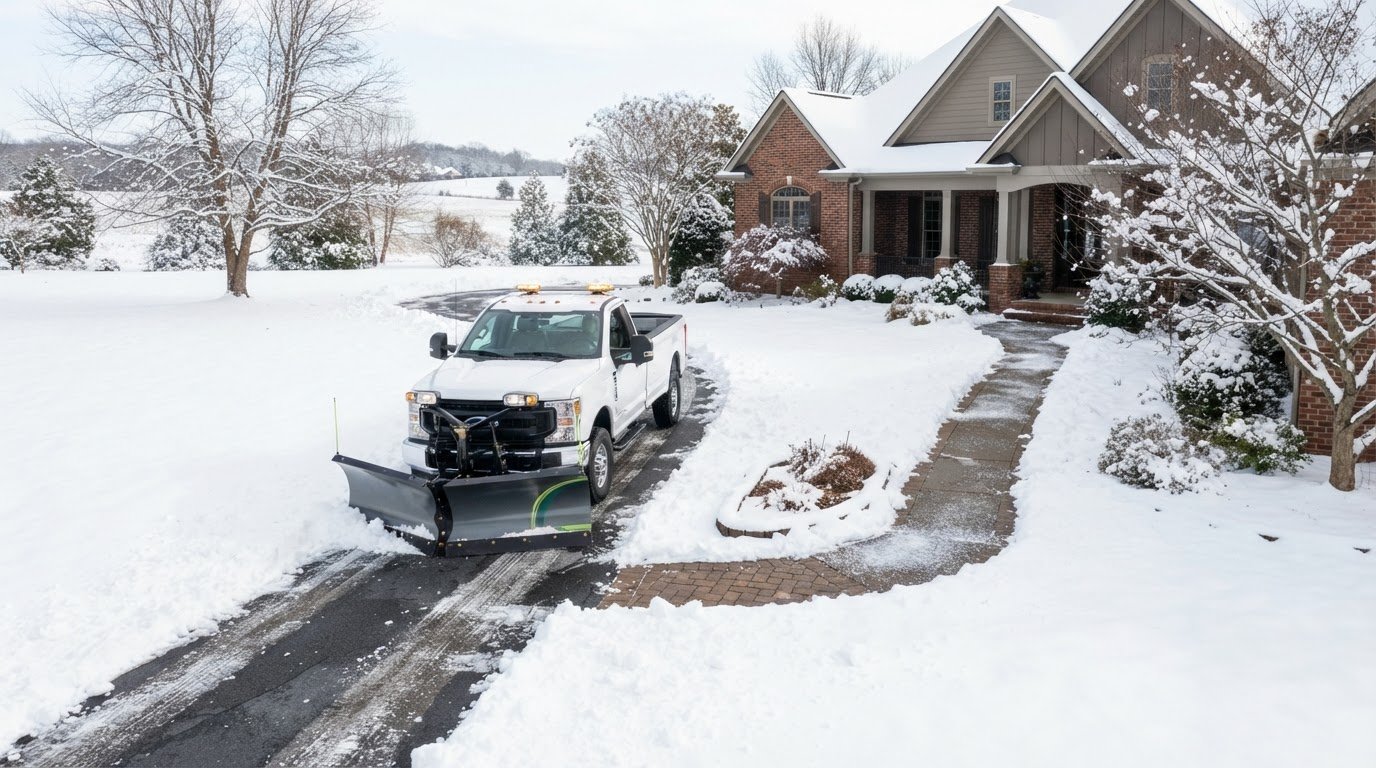
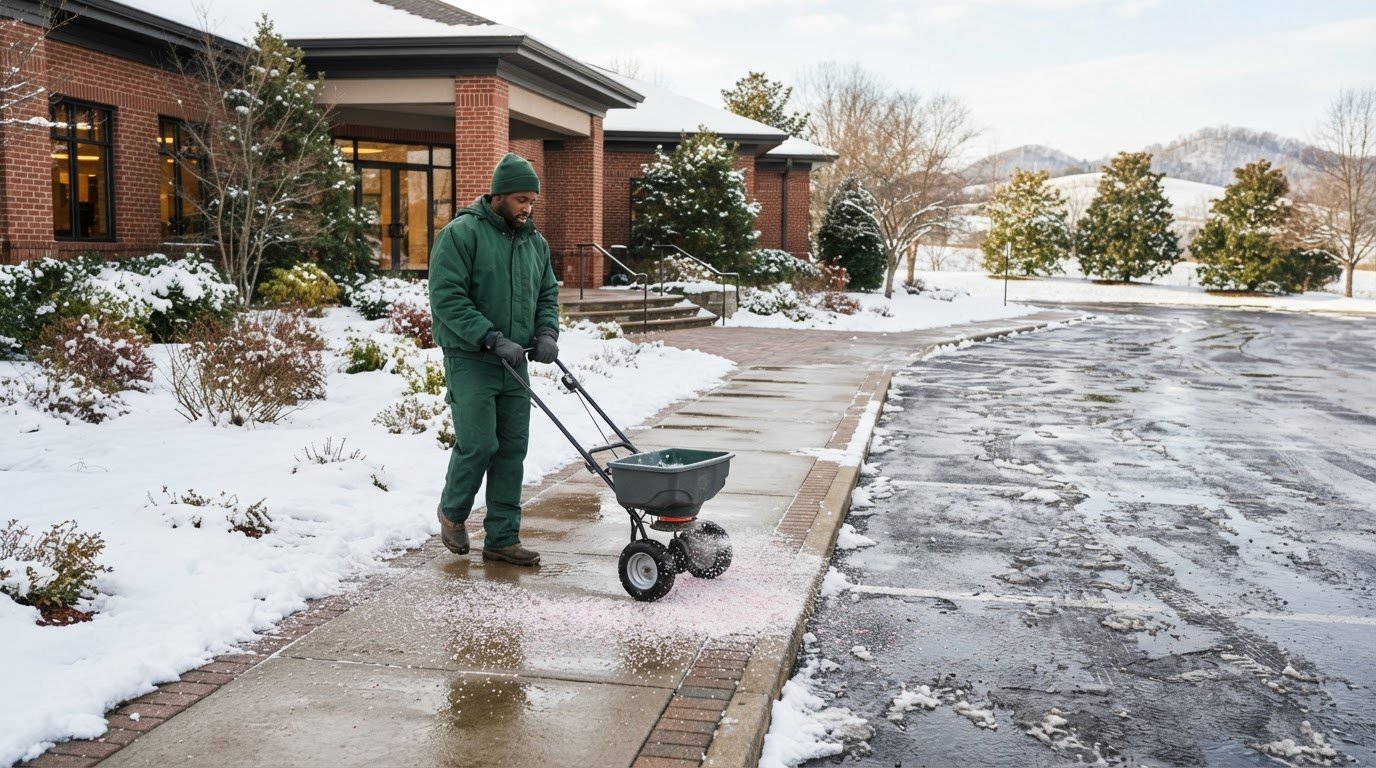
- Ask how snow removal service defines the areas and tasks covered. Identify the driveway, walkways, and access points that matter, and clarify how the plan handles changing snowfall or site conditions.
Keep the answers with the proposal. For example, compare patio estimates by their stated base preparation, materials, and compaction, not just the finished surface. A clear written scope also distinguishes included maintenance from care you’ll need to arrange after installation.
Landscaper qualifications and certifications
A credential matters most when it matches the work in your proposal. A patio installer’s training, for example, may differ from a designer’s horticultural knowledge. Ask which qualifications apply to each project phase, who holds them, and how that experience supports the planned work.
- Ask which credentials relate directly to your project. A certification in hardscape installation may be more relevant to a paver patio than a general landscaping membership.
- Ask what organization issued each credential. The Interlocking Concrete Pavement Institute is an example of an organization associated with landscaper certification.
- Ask what the credential covers in practical terms. For a patio, clarify whether training addresses installation methods, material handling, or another part of the proposed work.
- Ask who on the crew holds the qualification. A company’s credential may not mean the person overseeing your project or completing the work earned it.
- Ask how the credential applies to the assigned role. A landscape designer’s training may inform a planting plan, while construction skills support installation work.
- Ask whether professional memberships involve training or standards. Landscape Ontario Horticultural Trades Association is an example of a professional landscaping organization, but membership and certification are distinct.
- Ask whether a qualification is current and how to verify it. Request the credential name and issuing organization so you can assess its relevance and status.
- Ask what experience complements formal training. For landscape lighting, request examples showing how the installer planned fixture placement around paths, planting beds, and outdoor use.
- Ask which tasks require specialized knowledge. A planting design may involve plant selection and placement, while grading or wall construction calls for different project-specific expertise.
- Ask how the crew handles work outside its expertise. If a project includes design and construction, identify who leads each phase and how responsibilities are coordinated.
- Ask how qualifications shape the written work plan. The proposal should connect the assigned team’s skills to the materials, methods, and finished features described.
Compare credentials by matching each one to a project task, not by counting certificates. For example, note whether the person planning a patio has relevant hardscape knowledge and whether the installation lead has experience carrying out that plan. A clear connection between the qualification, responsible person, and work gives you a more useful basis for comparison.
Landscaping contractor red flags
A low quote or polished portfolio doesn’t tell the whole story. Look for concrete gaps in the proposal, communication, and project plan. One warning sign may simply need clarification, but several unresolved issues make it harder to understand what you’re agreeing to and who is responsible.
- Pause if the quote gives one total without a clear scope. A patio proposal should describe materials, base preparation, installation, and cleanup so you can compare equivalent work.
- Be cautious if the contractor pressures you to sign immediately. A written proposal needs time for you to review details, compare terms, and ask about unclear items.
- Ask for specifics if the start date or duration stays vague. A work plan should identify the sequence and explain how weather, delivery, or site conditions could affect timing.
- Clarify any request for payment before the scope is documented. The agreement should connect payment stages to defined project work, not leave expectations unsettled.
- Don’t accept verbal promises that conflict with the written proposal. If a promised plant, cleanup task, or material isn’t included, request a written revision before signing.
- Ask who is responsible when subcontractors perform part of the job. For example, identify who coordinates installation and who addresses concerns about that phase.
- Look closely at a portfolio that shows no comparable projects. Photos of general lawn work don’t demonstrate experience with a retaining wall or drainage correction.
- Request a clear explanation if the contractor dismisses permit or utility questions. A digging plan should account for the 811 utility locate discussed before excavation begins.
- Question a proposal that omits restoration after construction. Compare whether sod, seed, topsoil, and cleanup are included when the project disturbs a lawn.
- Take note if calls or written questions go unanswered before signing. Unresolved questions about scope, changes, or the responsible contact can complicate coordination once work begins.
- Be wary of guarantees that lack written terms. For example, ask what a stated warranty covers, when it starts, and how a concern gets documented.
One serious warning sign is a plan that leaves installation details unclear. A failed project may require a complete tear-down rather than a targeted correction, so compare preparation and materials, not just appearance. Clear written answers help you decide whether the proposed work suits your property.
If you’re planning an outdoor project and want to discuss your goals, get in touch about your project.
Palisades Outdoor Solutions: Lawn Care & Mowing
Palisades Outdoor Solutions is licensed and insured and can help with ongoing lawn care or practical landscape improvements. Services include Lawn Care & Mowing, Landscape Maintenance, Mulch & Rock Installation, and Landscape Construction. Choose the work that suits your property, from routine mowing and refreshed planting beds to a larger outdoor project.
Before getting started, share your goals and the areas you want improved. Clear priorities help shape a project scope around your lawn’s condition, existing landscape, and planned changes.
For help with your outdoor project, contact Palisades Outdoor Solutions.
Move Forward With a Clear Project Plan
The questions to ask before hiring a landscaper are most useful when they help define what matters on your property. Before deciding, write down your priorities, the areas you want improved, and any concerns about access or ongoing care. A short project brief keeps conversations focused and helps ensure the proposed work reflects your goals.
Then consider what kind of support fits your next step. Palisades Outdoor Solutions offers lawn care, landscape maintenance, and mulch or rock installation. Sharing your priorities gives the team a starting point for discussing your project.
Ready to talk through your outdoor project? Contact Palisades Outdoor Solutions to start the conversation and take a thoughtful step toward a landscape that works for your home.
Frequently Asked Questions
What questions should I ask a landscaper before hiring?
Ask who will manage the work, how decisions will be documented, and what happens if the site differs from the plan. The questions to ask before hiring a landscaper should also clarify how you’ll approve material substitutions and who will answer questions during installation. For a Nicholasville property, describe the outdoor issue you want addressed and ask how the proposed work responds to it.
How do I verify a landscaper's license, insurance, and references?
Ask for the landscaper’s license details, insurance documents, and references, then compare the names and business details across those records. Contact references to ask about communication, job changes, and how the finished space has performed. Check that the business named on the insurance documents matches the proposal and that the coverage relates to the planned work. Ask for an explanation of any differences before proceeding.
What should a landscaping estimate or contract include?
A useful estimate identifies the work areas, tasks, materials, preparation, cleanup, and project responsibilities. The contract should also explain how you’ll approve changes, receive schedule updates, and raise concerns after completion. For example, a planting estimate can specify which beds are included and whether removing existing plants is part of the work. Make sure included tasks are distinct from optional work.
How can I compare landscaping quotes fairly?
Compare proposals using the same project scope, not just their totals. Note whether each quote includes site preparation, the same materials, cleanup, and restoration of disturbed areas. If one patio proposal specifies pavers and another uses different materials, ask for comparable versions before evaluating them. A side-by-side list of included tasks, exclusions, and change terms can reveal important differences without assuming the shortest proposal is the best fit.
What questions should I ask about a landscaper's experience and past projects?
Ask for examples that closely match your project’s scale, materials, and site conditions. For a sloped yard, request a comparable grading or retaining-wall example rather than relying on photos of flat lawns. Ask what the crew handled and what challenges came up. A focused discussion of a similar project can show how the landscaper plans, communicates decisions, and adapts the work to a property’s features.
Who is responsible for permits, utility marking, and HOA approval for landscaping work?
Assign responsibilities in writing before work begins. Ask who will handle permit applications, arrange utility marking, and submit plans to your homeowners association, if applicable. For example, if an HOA must approve a patio’s appearance, confirm who provides drawings and product details. Ask how approval delays affect the project sequence, so excavation or material delivery doesn’t get ahead of a required decision.
What payment schedule and deposit are typical for landscaping projects?
Payment schedules vary by landscaping project. Ask how any deposit is applied, what work each later payment covers, and when the final balance is due. For a project with several phases, connect payments to clearly described milestones, such as completed preparation or installation. Review cancellation and change terms, especially if materials must be ordered before work starts, and keep the agreed schedule with your contract.
What warranties or guarantees do landscapers offer on plants and workmanship?
Ask for warranty terms in writing and distinguish plant coverage from workmanship coverage. For plants, clarify which conditions are covered and what care you’re expected to provide. For workmanship, ask how to report an issue and what remedy the written terms describe. The terms should clearly state the guarantee’s limits, start point, and exclusions, so you understand what happens if a plant declines or an installed feature needs attention.