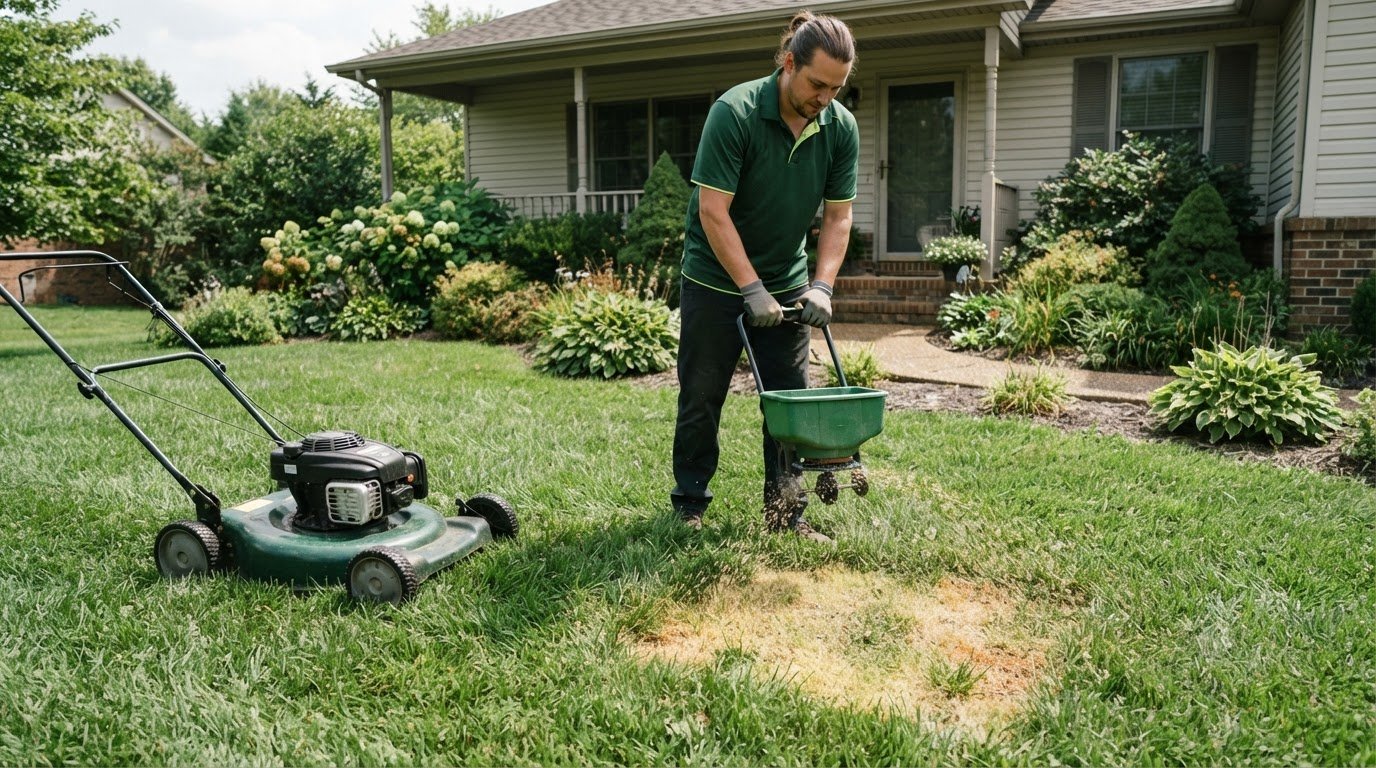
A tidy lawn doesn’t come from mowing as short as possible. For Nicholasville lawn maintenance, choose a mowing service that follows a consistent schedule and removes no more than a third of each grass blade at a time. Weekly mowing is the general rule.
Reliable mowing makes a visible difference, but it’s only one part of keeping a yard healthy through changing seasons. Watering, fertilization, and aeration also matter, and their timing and methods can affect how well grass grows.
This guide explains what to look for when choosing a mowing service, how to weigh the value of professional lawn care, and which routine tasks support a healthier yard in Nicholasville. You’ll also learn how Palisades Outdoor Solutions helps properties in Nicholasville, and how mowing fits with seasonal watering, fertilization, and aeration so you can make a practical plan for your property.
Is it worth it to hire a lawn service?
Hiring help can make sense when mowing, seasonal treatments, and irrigation checks compete with other property tasks. The decision depends on your lawn’s size, condition, and the consistency of care you want.
Included Lawn Maintenance Services
Routine maintenance may combine mowing with edging, trimming, and debris removal. A broader plan can also include fertilization, weed control, aeration, overseeding, or irrigation maintenance. Compare the actual tasks in each estimate, not just the phrase “lawn care.” A small, level yard may need mowing alone, while a larger property with thin turf may benefit from additional services.
Benefits of Professional Lawn Care
A scheduled service can keep routine work consistent when travel, work, or equipment upkeep makes mowing difficult. Professionals also bring the equipment needed for recurring tasks, while coordinated maintenance can help prevent overlooked areas. For example, a plan that includes mowing and seasonal treatments addresses more than appearance alone. Hiring help is most useful when the included work matches your lawn’s needs and saves time you would otherwise spend managing each task.
Comparing Local Service Estimates
Compare estimates by matching their scope, schedule, and property assumptions. One may cover mowing and trimming, while another includes debris removal or seasonal treatments. Check whether each describes the same lawn area and visit frequency. A useful comparison separates recurring maintenance from optional services, so a lower total doesn’t conceal fewer tasks or less frequent service.
For example, record the included tasks, visit schedule, and treatment frequency for each estimate in separate columns. Then compare like with like. If your property has a steep section or several landscaped edges, note whether the estimate accounts for them. This clarifies what the work covers without relying on a headline total alone.
Full-Service Lawn Care Costs
The scope of full-service lawn care depends on the property and work involved, rather than one standard package. Lawn area, terrain, access, mowing frequency, turf condition, and selected treatments all affect the work. A larger lot may require more labor, while a lawn needing aeration or overseeding calls for different tasks than routine mowing. For an accurate comparison, distinguish regular maintenance from seasonal or corrective work.
The price depends on the case and is provided after a quote request; lawn size, terrain, service frequency, and selected tasks shape the estimate. A complete plan should make clear which work repeats and which applies only during a particular season. For properties in Nicholasville, landscape maintenance services can bring recurring outdoor tasks into a coordinated plan.
How do seasonal changes affect lawn care in Nicholasville?
Seasonal shifts change how Danville lawns grow, use water, and respond to maintenance. Cool-season grasses such as tall fescue and Kentucky bluegrass suit Kentucky’s seasonal pattern. Maintain them with mowing, watering, and treatments adjusted to current growth and weather.
Match each task to the turf’s condition instead of following one fixed routine throughout the year.
Customized Care for Local Turf
Danville properties can differ in sun exposure, drainage, soil condition, slope, and grass composition. Those differences affect where turf dries quickly, where water collects, and which areas thin first. A tailored plan accounts for these conditions before setting mowing, watering, or treatment routines. Local lawn care professionals can use visible turf changes and property layout to adjust work as growing conditions shift.
Family-owned local lawn care is a business structure, not a turf treatment. The practical measure is whether maintenance reflects the yard’s actual conditions and seasonal needs.
Seasonal Lawn Care Adjustments
Spring growth can call for renewed mowing and attention to compacted or thin areas. In warmer, drier periods, watch for changes in soil moisture and turf color, then adjust irrigation to the lawn’s condition. Autumn maintenance can support recovery and prepare the lawn for cooler weather. Avoid routine treatments when the lawn’s condition or weather makes them poorly timed.
Watering needs depend on rainfall, soil drainage, sun, and grass growth. Irrigation maintenance can help identify uneven coverage, such as dry strips beside greener areas. The United States Environmental Protection Agency identifies pesticide, herbicide, and fertilizer use in lawn care as outdoor activity that can affect water quality. Apply those products carefully and keep runoff in mind.
Mowing, Fertilizing, and Aeration Timing
Weekly mowing is the general rule, but active growth and weather affect how quickly grass needs cutting. Fertilizer timing should reflect turf condition and the season, rather than an automatic calendar reminder. Aeration can help relieve compacted soil, allowing water and fertilizer to move into the root zone. The right timing depends on grass growth and soil condition, so assess those factors together.
For a lawn with compacted or thin areas, coordinate aeration with overseeding needs and the turf’s growth cycle. Avoid treating every section identically when shade, drainage, or foot traffic differs. A seasonal plan can keep mowing, watering, and treatment decisions connected. To discuss the conditions affecting a specific yard, share your lawn care needs.
Lawn care services offered in Danville, KY?
Residential and commercial mowing both require a consistent routine, but property layout changes the work. For Danville properties, compare the service scope, mowing standard, and care around edges and obstacles.
Local yard-height or grass-clipping requirements are separate from turf-care guidance. The general mowing rule is to remove no more than a third of the grass blade at a time, not to treat that guideline as a local ordinance.
Residential and Commercial Mowing
Residential mowing often includes open lawn areas, narrow side yards, and grass around trees, walkways, or planting beds. Commercial properties may have broader lawn sections, building edges, entrances, and visible frontage that need a coordinated appearance. The property’s layout determines the route and the detail work involved.
For either setting, define the mowing area and expected finish. A useful scope identifies whether trimming, edging, and clearing clippings from paved areas are included. Those details matter on a home with garden borders and on a business site where entrances and walkways frame the lawn.
Mowing Frequency and Grass Height
Weekly mowing is the general rule, but grass growth changes with weather and growing conditions. A fixed visit schedule should still leave room to avoid cutting too much after a growth surge. The practical standard is to remove no more than a third of the blade in one mowing, which helps avoid an overly severe cut.
For example, if grass has grown tall between visits, cutting it to the preferred height in one pass may remove too much. A measured approach may mean adjusting the mowing height and returning to the routine gradually. Choose a mowing service whose standard accounts for both visit frequency and current grass height.
Mowing Routines and Patterns
A consistent route helps crews cover the lawn without repeatedly driving over the same tracks. Alternating mowing direction can also prevent a repeated pattern from dominating the turf. Trimming around fence lines, trees, beds, and signs completes the cut, while edging gives walkways and driveway borders a defined line.
When choosing a mowing contractor, compare the work process rather than relying only on a broad service label. Look for a clearly described scope covering mowing, trimming, and cleanup. Licensing and insurance are separate credentials; select a service that documents both for its work, rather than treating a directory listing as proof. A clear routine supports a more even result across residential and commercial spaces.
For a lawn where mowing and trimming need a dependable routine, share your property’s mowing needs to discuss the work involved.
Lawn watering, fertilizing, and aeration
Watering, fertilizer, and aeration each address a different lawn need. The main risk homeowners should consider with pesticides, herbicides, and fertilizers is runoff. The United States Environmental Protection Agency notes that using these products outdoors can affect water quality.
In Danville, consider drainage, soil condition, turf growth, and recent rainfall before planning these tasks. A dry patch beside a downspout, for example, needs a different response than compacted soil beneath a frequently used path.
Watering With Soil and Weather in Mind
Watering works best as a response to lawn conditions, not a fixed habit. Check whether the soil is dry across the affected area and note whether sunlight, slope, or shade explains uneven moisture. A sunny strip near a driveway may dry sooner than shaded grass beside the house, while low spots can remain wet after rain.
Uneven sprinkler coverage can also leave alternating dry and saturated patches. Look for blocked heads, overspray onto pavement, or water collecting near the edge of a bed. Adjusting irrigation to the lawn’s layout helps direct water where roots need it and limits unnecessary runoff.
Fertilizing for Turf Needs
Fertilizer supports grass growth, but the product and timing should fit the lawn’s condition and seasonal growth. Thin turf does not automatically need more fertilizer. Compaction, shade, drainage, or mowing stress may contribute to the problem. Identify the likely cause first, then match treatment to the specific need.
Apply fertilizer evenly rather than concentrating it along a driveway, sidewalk, or curb. Rain or irrigation can carry loose product from these hard surfaces toward drainage areas. Plan fertilization and weed control carefully, so treatments address the lawn rather than becoming automatic extra steps.
Aeration and Root-Zone Access
Aeration helps relieve compacted soil by opening the ground, improving access for water and fertilizer through the thatch layer, and supporting healthy root growth. It can be useful where foot traffic has pressed soil tightly, such as a narrow route between a gate and patio. It is not a substitute for correcting drainage or watering problems.
Before aeration, assess compacted sections, turf density, and the grass’s active growth. Pairing aeration with overseeding may help address thin areas, while established, vigorous turf may have different needs. Coordinate the work with mowing and watering so the lawn can recover without unnecessary disturbance.
Keep a simple record of rainfall, irrigation adjustments, fertilizer applications, and aeration areas. For example, noting that one side yard stays wet after rain can help distinguish poor drainage from a sprinkler issue. These observations make seasonal lawn decisions more specific and help avoid repeating treatments that haven’t addressed the underlying condition.
When should lawns in Danville, KY be mowed, fertilized, and aerated
Use the lawn’s growth and condition to guide timing, rather than treating every task as a fixed calendar appointment. In Danville, seasonal weather, rainfall, soil moisture, and grass growth all affect the right maintenance window.
Schedule Mowing Around Active Growth
Weekly mowing is the general rule, but check how quickly grass is growing between visits. Rainy stretches can speed growth, while dry conditions may slow it. Keep the mower height steady and avoid removing more than a third of the grass blade in one cut. If a missed visit leaves grass unusually tall, reduce its height gradually instead of scalping it in one pass.
Choose a mowing day when the lawn is dry enough for an even cut. Wet grass can clump, making it harder to distribute clippings evenly and leaving an untidy finish. After mowing, look for uneven patches near slopes, shaded sections, or areas with heavier growth. Those spots may need a different pace than open, sunny turf.
Time Fertilizer to Lawn Condition
Fertilizer timing should follow the turf’s growth and visible needs. A pale or thin patch can point to several causes, including shade, compacted soil, drainage, or uneven watering. Identify the pattern before choosing a treatment. For example, if only a low area looks weak after rain, excess moisture may be more relevant than fertilizer.
Plan applications around the lawn’s condition and seasonal growth, then apply the product evenly to the intended area. Avoid leaving granules on sidewalks or driveways, where runoff can carry them away. Record treated areas and visible changes to help distinguish a response to fertilizer from a problem that remains.
Choose Aeration Timing by Soil Compaction
Aeration is most relevant where compacted ground limits water movement or turf growth. Look for thin grass along repeated footpaths, near gates, or around play areas. Those locations receive more pressure than open lawn. Aerating at an appropriate point in the grass’s growth cycle helps coordinate the work with recovery and any overseeding needs.
Before scheduling, consider soil moisture and the lawn’s condition. Ground that is too wet can be difficult to work, while very dry soil may resist the process. Pair aeration with a plan for watering and overseeding where bare or sparse sections need attention. This connects the work to a specific need instead of aerating by habit.
Coordinate Seasonal Tasks
Use a simple sequence: assess growth and soil, mow as needed, then plan treatments around turf condition. For example, address compacted areas before coordinating aeration and overseeding. A seasonal record helps track what changed and where. Schedule lawn-care service to plan mowing, fertilizing, or aeration for your Danville property.
Palisades Outdoor Solutions: Lawn Care & Mowing
Palisades Outdoor Solutions provides Lawn Care & Mowing for properties that need consistent mowing and trimming. When your lawn needs more than a regular cut, Landscape Maintenance can address broader upkeep across the property. The right scope depends on your turf, landscape features, and the tasks you want handled together.
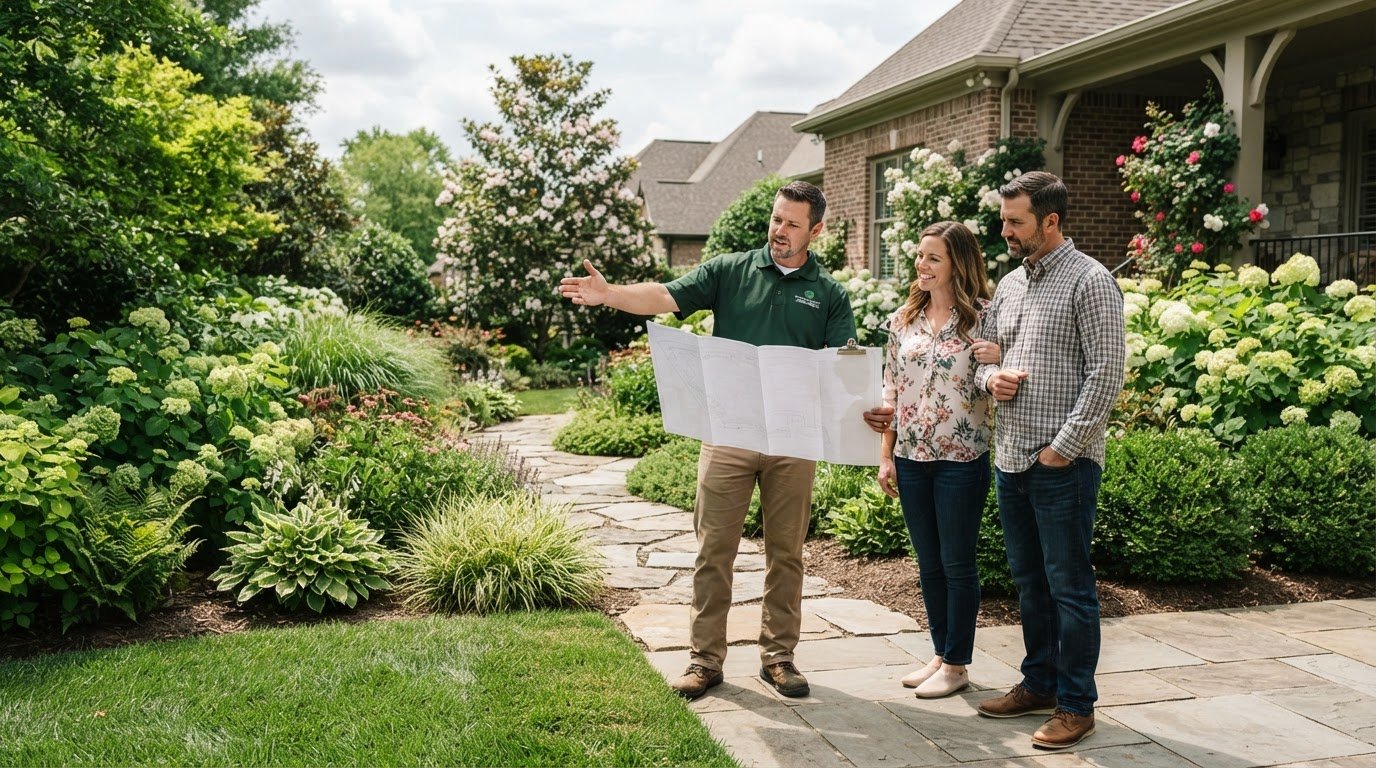
For example, a property with defined planting beds may need mowing coordinated with mulch or rock installation, while a larger outdoor improvement may involve landscape construction. Matching the work to your property helps create a clear maintenance plan without adding unrelated services. If you’re ready to discuss mowing or other outdoor upkeep for your Danville property, contact Palisades Outdoor Solutions.
Set a Clear Direction for Your Yard
Choose one practical priority for your next season, such as keeping lawn edges neat or refreshing tired planting areas. A clear starting point helps shape a maintenance plan around how you use the property and the condition you want to reach. For Danville KY lawn maintenance, match routine care with the outdoor features you want to preserve and improve.
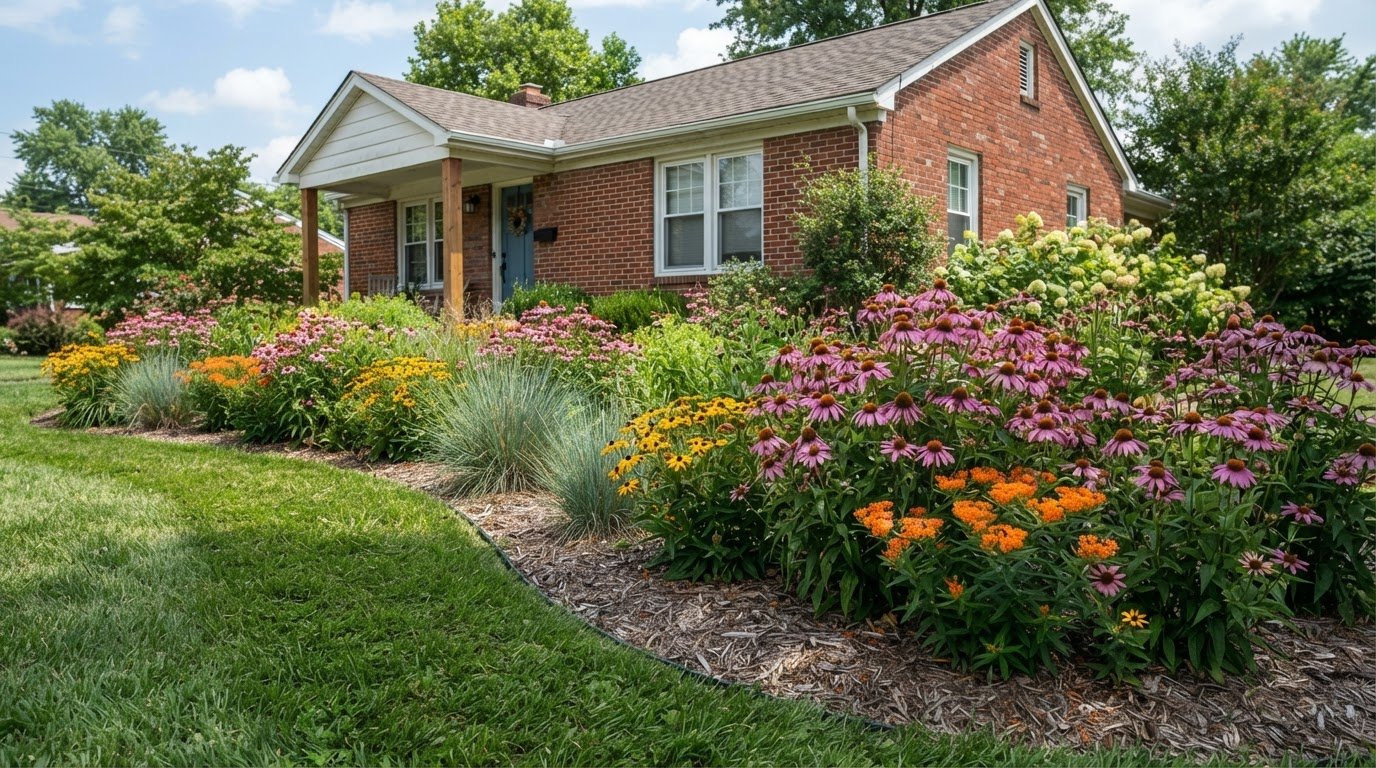
Palisades Outdoor Solutions offers Lawn Care & Mowing, Landscape Maintenance, and Mulch & Rock Installation. These services can support a well-kept lawn and more orderly surrounding beds as your outdoor needs change. Start with the area that needs attention most, then plan how the work should fit your property.
Ready to plan the next step for your yard? Contact Palisades Outdoor Solutions to discuss your outdoor maintenance needs. A thoughtful plan can help you care for your property with confidence through the seasons ahead.
Frequently Asked Questions
How Do I Choose The Best Mowing Service?
Choose a mowing service with a clearly defined scope, consistent schedule, and credentials relevant to the work. Confirm whether routine mowing includes trimming around trees, beds, and walkways, plus clearing clippings from hard surfaces. Palisades Outdoor Solutions is licensed and insured. Also consider whether the service can coordinate mowing with the other outdoor maintenance your property needs.
How much does it cost to have your lawn mowed?
The scope depends on the lawn’s area, terrain, access, growth, and requested service frequency. An open lawn requires different work than a property with slopes, narrow sections, or many edges to trim. Seasonal conditions can also affect the work involved. Palisades Outdoor Solutions provides a free, no-obligation estimate, so the scope can reflect your property instead of relying on a generic figure.
How often should you cut your grass?
Use grass growth to guide mowing frequency, then keep a schedule that avoids letting the lawn become overgrown. A shaded side yard may grow differently from sunny turf, even on the same property. After heavy rainfall, inspect fast-growing sections before the next visit. If the lawn looks uneven, adjust the schedule for those areas rather than cutting the entire yard too short to match one patch.
What should I do to my lawn in the spring?
Start spring lawn care by walking the property and noting bare patches, standing water, compacted paths, and uneven irrigation coverage. Clear winter debris, then assess whether the turf needs mowing, fertilization, aeration, or overseeding. For example, a thin strip beside a frequently used gate may need attention beyond routine mowing. Base each task on the cause of the problem, not simply the season.
What's the best way to maintain your lawn?
The best approach is a consistent routine that responds to the lawn’s actual condition. Keep notes on areas that dry quickly, collect water, or thin under foot traffic, then use those observations to plan care. Coordinate mowing with watering and treatments so one task doesn’t work against another. If a recurring problem persists, reassess drainage, soil compaction, sunlight, and irrigation rather than repeating the same treatment.
What lawn maintenance services are available in Danville, KY?
Available services include Lawn Care & Mowing, Landscape Maintenance, Fertilizer & Weed Control, Aeration & Overseeding, and Irrigation Maintenance. Broader outdoor work can include Mulch & Rock Installation, Landscape Design, and Landscape Construction. Palisades Outdoor Solutions serves Danville and Nicholasville, among its Kentucky service locations. Choose services based on your property’s needs, such as mowing for routine upkeep or irrigation maintenance for uneven watering.
What is the average cost of lawn mowing in Danville, Kentucky?
There isn’t one useful average for every Danville lawn because mowing scope varies by property. Lawn size, slopes, obstacles, access, grass growth, and trimming requirements all affect the work. A small, open lawn differs from a larger yard with tight borders and multiple landscaped areas. For an estimate that reflects those conditions, Palisades Outdoor Solutions offers a free, no-obligation estimate rather than a one-size-fits-all price.
How much do lawn care companies in Danville charge for seasonal services?
Seasonal service scope depends on which tasks the lawn needs and how much work the property requires. Aeration, overseeding, fertilization, weed control, and irrigation maintenance involve different work, and turf condition can change the plan. A lawn with compacted soil may need different seasonal attention than one with uneven watering. Request a free, no-obligation estimate to discuss the seasonal work for your property.