Yellow grass after wet Kentucky weather doesn’t automatically mean the lawn needs new seed. To learn how to fix yellow grass patches in Kentucky, first read their pattern: cool, wet conditions can bring yellow or reddish-brown rings, while rapid growth and saturated soil can also leave grass looking pale. For Kentucky bluegrass, keep mowing height within 2 to 4 inches and look for signs that point to disease, temporary color changes, or a need to overseed.
It’s understandable to worry when healthy green turf suddenly develops yellow spots, but treating every patch the same way can miss the cause. This guide explains how wet weather, seasonal dormancy, mowing height, and sharp blades affect lawn color, and when seed may help damaged areas recover. You’ll also learn how patch shapes and leaf changes offer useful clues, so you can choose a sensible next step instead of rushing to replant.
1. What is melting out in bluegrass?
Yellow grass patches in Kentucky can result from fungal disease, saturated soil, nutrient stress, pests, or seasonal color changes. Before applying fertilizer or seed, compare the patch shape and affected grass with recent weather to narrow down the likely cause.
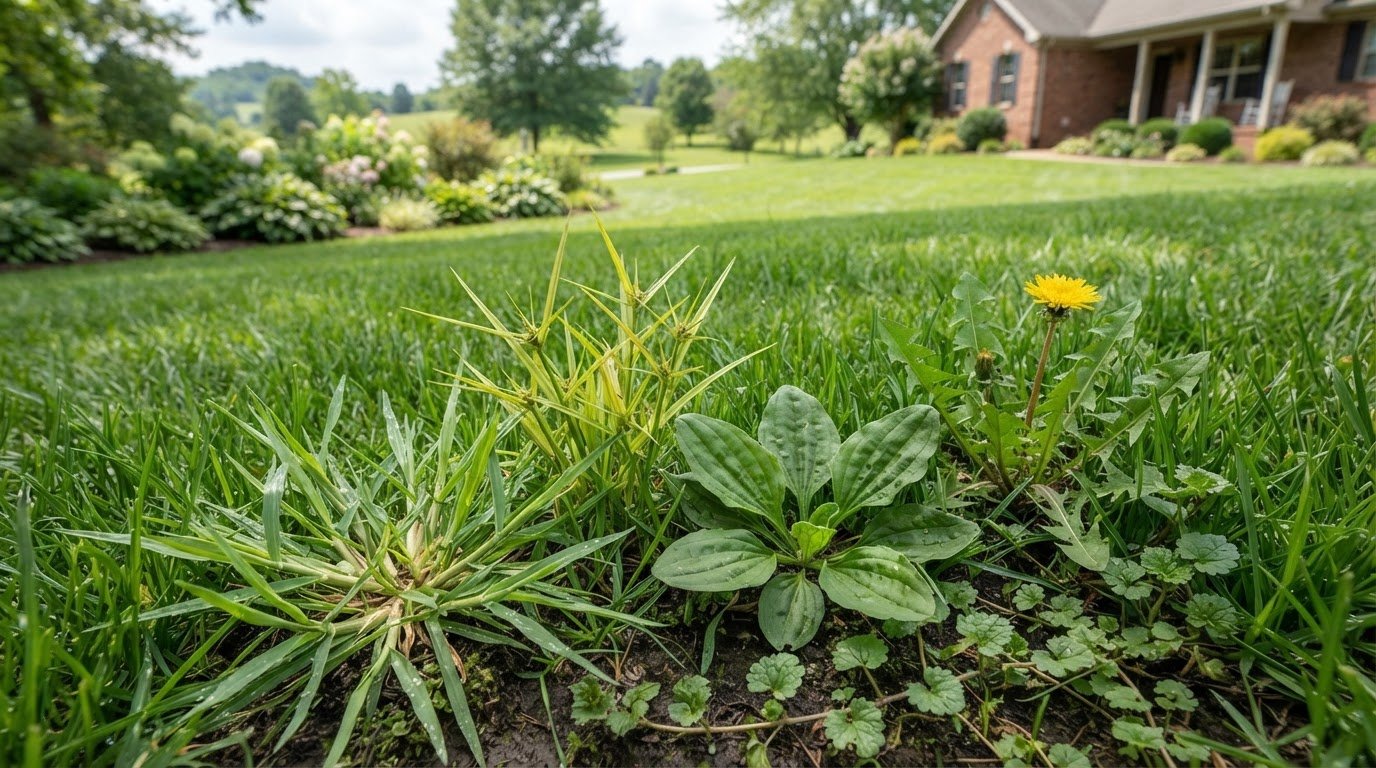
In cool, wet spring or fall weather, Yellow Patch may form yellow to reddish-brown rings, arcs, or circles about 6 to 12 inches wide. Snow mold is another lawn disease associated with seasonal grass damage; examine affected blades and the surrounding turf rather than assuming every yellow area has the same cause.
Kentucky bluegrass can also develop melting-out disease, caused by the fungus Bipolaris sorokiniana. Small brown spots may appear on bluegrass leaves and leaf sheaths, then become more noticeable as damage advances. Heavy spring nitrogen use increases the potential and severity of melting out, so avoid responding to pale color with an excessive fertilizer application. Advanced melting-out disease is very difficult to control with fungicides.
Brown patch and summer patch fungi may affect lawns from early June to late August. Brown patch affects tall fescue or zoysiagrass, while summer patch affects Kentucky bluegrass. Risk rises when nights stay above 70 degrees and humid weather persists for several nights. These diseases can create irregular blobs or rings of dead grass that enlarge over time. At a patch’s yellow outer edge, check whether blade tips turn brown and curl while the bases remain green.
How can you check Kentucky lawn soil pH and nutrient deficiencies? Use a soil test to assess pH and nutrient levels, then follow its recommendations rather than judging fertility by color alone. Random yellow areas can also indicate iron chlorosis, especially when the youngest leaves turn brightest yellow.
How do you address yellow grass from grubs or other lawn pests in Kentucky? Inspect the turf around a yellowing area for loose, weakened grass and visible insect activity. Grubs and chinch bugs are common causes of yellowing. Match any treatment to the pest you identify rather than applying a broad treatment without a diagnosis.
How much and how often should Kentucky lawns be watered to prevent yellow patches? Most established, actively growing lawns need 1 to 1.5 inches of water per week, including rainfall. Water in the morning, no later than 12 noon, and favor a thorough, less frequent watering pattern so grass can dry during the afternoon.
Contact a lawn care professional when patches keep expanding, return after conditions change, or the cause remains unclear. A diagnosis is especially useful when bluegrass shows leaf spots, curled tips, or continuing damage despite appropriate watering and mowing.
2. Grass dormancy in summer and winter
A yellow or straw-colored lawn isn’t always dead. In Nicholasville, identify the grass type and season before reseeding: Kentucky bluegrass and fescue are cool-season grasses, while zoysiagrass and Bermudagrass are warm-season grasses. Dormancy slows growth and changes color as grass responds to unfavorable temperatures or dry conditions. A dormant lawn may look tired while its crowns remain alive.
Winter dormancy follows different soil-temperature cues for each group. Cool-season grasses such as Kentucky bluegrass and fescue can go dormant when winter soil temperatures drop below 45 degrees. Warm-season grasses, including zoysiagrass and Bermudagrass, enter winter dormancy when average soil temperatures drop below 50 to 55 degrees. These thresholds help explain why neighboring lawns can change color at different times.
Summer can also stress cool-season turf. Heat and limited moisture may slow growth and dull bluegrass or fescue, especially in exposed areas. Look at the whole lawn: broad, fairly even color change during hot, dry weather suggests a different issue from a sharply defined patch that keeps spreading. Grass type matters, too, because warm-season turf responds differently from Kentucky bluegrass.
Before applying seed or fertilizer, follow a simple inspection sequence. First, identify whether the lawn is bluegrass, fescue, zoysiagrass, or Bermudagrass. Next, note whether yellowing appeared during summer heat or winter cold. Then check whether blades and crowns remain beneath the discoloration. If the turf has slowed rather than disappeared, give it time to respond to better growing conditions before disturbing the soil.
Wet, cool weather can also make Kentucky bluegrass look lighter during rapid growth. Once the weather changes, warmer temperatures and resumed mowing can help the lawn return to its normal color as growth slows. This seasonal recovery differs from permanent bare areas, where soil shows through and grass doesn’t fill in. Don’t treat temporary pale color as proof that the lawn needs immediate reseeding.
In Nicholasville, keep notes about seasonal lawn changes. Record the grass type, whether discoloration followed summer heat or winter soil cooling, and how the affected area changes as conditions improve. Compare the same spots over time. A lawn that regains color with warmer weather and resumed mowing may have undergone a temporary change, while continuing decline calls for a closer diagnosis. This measured approach helps distinguish dormancy from damage before you choose a repair.
3. Mowing height and dull mower blades
For Kentucky bluegrass, keep the mower height between 2 and 4 inches. A suitable height helps preserve enough leaf surface for healthy growth while avoiding an overly close cut. Check the mower setting before cutting, especially if the turf has grown unevenly or the lawn has recently looked pale.
Grass height also affects how color appears. In a tall Kentucky bluegrass lawn, lower leaves are usually paler than upper leaves. If you wait until the grass grows tall, mowing can remove its darkest green leaves and leave the lawn looking lighter. A consistent mowing routine helps prevent that sudden color shift.
Mow at least every two weeks, adjusting the timing to the lawn’s growth instead of waiting until it looks overgrown. In wet, fast-growing conditions, Kentucky bluegrass may need mowing sooner to maintain a consistent height. Avoid cutting the lawn extremely short to make it look even. That removes more leaf surface and can expose pale lower growth.
Blade condition matters, too. Sharp mower blades cut grass cleanly, while dull blades tear the leaves. Ragged cuts create more surface area for fungus to enter, adding stress when disease is already a concern. Inspect the blade if freshly mowed tips look shredded or whitish rather than cleanly cut. Sharpen or replace a damaged blade before the next mowing.
Clippings can create a separate color problem. Collecting clippings from Kentucky bluegrass helps prevent clumps from gathering and turning the grass underneath brighter yellow. After mowing, check for visible piles, especially where damp grass has stuck together. Disperse or remove clumps so they don’t shade the turf below.
Use this quick mowing check before each cut:
- Set the deck: Keep Kentucky bluegrass within the 2-to-4-inch mowing range.
- Inspect the blade: Look for torn tips that suggest a dull or damaged edge.
- Check the clippings: Remove heavy clumps that could discolor grass underneath.
- Review the schedule: Mow at least every two weeks, based on how quickly the lawn grows.
These steps can correct yellowing caused by uneven cutting, torn blades, or clumped clippings. If mowing is difficult to keep consistent across your Nicholasville property, professional lawn mowing can help maintain a steadier cut and height.
Assess lawn color alongside grass height, rather than treating it as a separate sign of trouble. When grass has grown tall, the leaves left after mowing may look less green because the darker upper growth has been cut away. Keeping this in mind can help you distinguish a change in appearance from a reason to alter your care routine. Avoid a more aggressive cut just to restore a uniform look, since that could remove even more green growth.
Before mowing, notice the lawn’s overall height and color. Afterward, assess the result in context instead of reacting to a lighter appearance alone. If the change follows a cut after substantial growth, use it as a reminder to mow more consistently next time. The aim is to maintain an even appearance without chasing color through increasingly close cuts. Comparing the lawn before and after mowing can help you recognize when timing, rather than another problem, explains the difference.
4. Overseeding with resistant bluegrass cultivars
For homeowners learning how to fix yellow grass patches in Kentucky, overseeding can help restore severely fungus-damaged cool-season turf. In Kentucky bluegrass, newer cultivars with greater resistance are considered probably the most effective management tool for melting-out disease. Overseeding adds grass to thin areas while retaining healthy turf already growing across the lawn.
Timing matters because seedlings need suitable conditions to establish. For a severely fungus-damaged cool-season lawn, overseed in September once cooler weather returns. Don’t spread seed into a lawn still stressed by summer heat. First distinguish thinning or bare spots from temporary pale color, which can follow wet, cool weather.
Identify the likely cause before choosing seed. Melting-out disease affects Kentucky bluegrass, but other fungal problems and seasonal changes can also alter lawn color. Note whether the damaged area is expanding and whether nearby turf shows similar symptoms. Overseeding can replenish thin grass, but it doesn’t address the conditions that contributed to disease.
Prepare the repair area so seed reaches soil rather than resting on dead leaves or debris. Clear loose material and expose the surface while protecting healthy surrounding grass. Spread seed evenly over thin spots, then lightly work it into contact with the soil. Good seed-to-soil contact helps prevent missed areas and uneven clumps of new growth.
Choose Kentucky bluegrass seed that identifies newer, more resistant cultivars. This is particularly relevant when addressing melting out in an existing bluegrass lawn. Resistance doesn’t mean the lawn cannot develop disease, so continue sound mowing and watering practices after seeding. Don’t add extra spring nitrogen as a substitute for appropriate seed selection, since heavy spring nitrogen increases melting-out potential and severity.
After seeding, keep the seedbed from drying out and avoid washing seed away. Resume mowing carefully once new grass can tolerate a cut. For scattered damage, focus seed on thin spots. Widespread fungus damage calls for a broader assessment of the lawn before overseeding. These choices help match the repair to the extent of turf loss.
A practical plan for how to fix yellow grass patches in Kentucky starts by identifying the damage, then matching seed and timing to the lawn. For severely fungus-damaged cool-season turf, September, cooler weather, and newer, more resistant Kentucky bluegrass cultivars provide a focused approach. Follow up by observing new growth and keeping routine care consistent.
5. Diagnosing yellow grass by its pattern
The outline, location, and leaf color of a yellow patch can help narrow the cause before you choose a repair. In Nicholasville, note whether the discoloration forms a ring, appears randomly, follows an edge, or spreads across exposed turf. Record the grass type and recent weather, too. These clues help distinguish seasonal color changes from disease, iron chlorosis, or localized damage.
How can you tell whether dog urine, drought, or chemical damage caused yellow patches? Dog urine often leaves a localized spot, drought stress tends to affect broader exposed areas, and chemical damage may follow a spill or application path. Compare the patch boundary with nearby turf and note when the color first changed.
Ring-shaped patches deserve close inspection during cool, wet spring or fall weather. Yellow Patch can form yellow to reddish-brown rings, arcs, or circles about 6 to 12 inches wide. Brown patch and summer patch can create irregular blobs or rings that enlarge over time. On a fungal patch’s yellowing outer edge, check for brown, curled blade tips with green bases.
Random yellow areas in Kentucky bluegrass offer another clue. Iron chlorosis can appear in random patches, with the youngest leaves turning brightest yellow. Look at the top growth rather than judging only the overall lawn color. If the youngest blades stand out, note that pattern alongside the weather and soil condition.
Use this practical inspection sequence before reseeding or applying fertilizer:
- Map the shape: Sketch whether the patch is circular, irregular, random, or aligned with a lawn edge.
- Compare the blades: Check for curled brown tips, pale young leaves, or clumps shading the turf below.
- Review the timing: Record whether yellowing followed cool, wet weather, summer heat, mowing, or a lawn treatment.
- Watch for change: Revisit the same area and note whether its edge expands or the color improves.
Patterns can overlap. A yellow area beside a ring may have a separate cause, and a mower-created clipping clump can brighten the grass underneath without forming a disease ring. Compare affected blades with healthy nearby turf, and don’t treat the whole lawn based on one symptom. A patch that grows, develops curled tips, or repeatedly returns needs a closer diagnosis.
For a clear diagnosis in Nicholasville, request help assessing your lawn’s yellow patches. Share the patch shape, affected grass type, and whether the area has changed over time. Those observations make it easier to choose a response that fits the visible symptoms.
Palisades Outdoor Solutions: Lawn Care & Mowing
Palisades Outdoor Solutions provides Lawn Care & Mowing for homeowners who need consistent turf care after identifying yellow patches. Regular mowing at an appropriate height and clean cuts can help maintain an even lawn while you address the cause, whether it’s seasonal stress, fungal damage, or another issue.
If discoloration keeps spreading or the patch pattern remains difficult to interpret, professional lawn care can help you plan a practical next step. Palisades Outdoor Solutions can support routine mowing and broader landscape maintenance for your property. Contact Palisades Outdoor Solutions to discuss your lawn.
Build a Steady Plan for Healthier Turf
A clear plan for how to fix yellow grass patches in Kentucky starts with observing how the lawn responds over time. Note which areas change, keep routine care consistent, and use those observations to guide future decisions. If symptoms persist or the right next step remains unclear, a professional can help tailor care to your property.
Palisades Outdoor Solutions offers Lawn Care & Mowing and Landscape Maintenance to support regular property care. Mulch & Rock Installation is also available for landscape areas beyond the lawn. The right combination depends on what your outdoor spaces need, from steady turf upkeep to maintaining a cohesive landscape.
Contact Palisades Outdoor Solutions to discuss your lawn care needs. A thoughtful next step can help you care for your lawn with greater confidence and keep your outdoor space looking its best.
Frequently Asked Questions
What does high precipitation do to the lawn?
Heavy rainfall can saturate soil, slow root activity, and contribute to pale or yellow turf. Kentucky bluegrass can also look lighter during rapid growth in wet, cool weather because chlorophyll is less concentrated in fast-growing blades. Persistent dampness can favor fungal problems, so note whether yellowing follows rainy weather and whether patches develop distinct shapes or damaged leaf tips.
What is melting out in bluegrass?
Melting out is a fungal disease of Kentucky bluegrass caused by Bipolaris sorokiniana. It can produce small brown spots on leaf blades and sheaths, then weaken the turf as damage progresses. Heavy spring nitrogen use increases the potential and severity of the disease. For seriously affected bluegrass, overseeding with newer, more resistant cultivars is a management option.
Will Yellow Grass Turn Green Again?
Yellow grass can regain color if the change comes from temporary stress rather than dead turf. Kentucky bluegrass that looks pale after wet, cool weather may return to normal color as conditions warm, growth slows, and mowing resumes. Dormant grass may also green up when conditions become suitable again. If the crowns are damaged or bare soil remains, color alone won’t restore coverage, and seeding may be needed.
How to identify brown patch, dollar spot, and other lawn diseases in Kentucky?
Compare the affected grass type, patch shape, and blade symptoms before choosing a treatment. Brown patch affects tall fescue or zoysiagrass, while summer patch affects Kentucky bluegrass; both can form irregular dead areas that enlarge. Yellow Patch may create rings or arcs in cool, wet conditions. For suspected dollar spot, document the affected area and blade changes, then get a diagnosis before treating, since symptoms can overlap.
When should Kentucky lawns be fertilized, and how much fertilizer should be applied?
Base fertilizer timing and amount on grass type, soil test results, and active growth rather than yellow color alone. Avoid summer fertilizer on cool-season lawns, since extra nutrients can increase vulnerability to fungal disease. Heavy spring nitrogen also raises melting-out risk in Kentucky bluegrass. A soil test helps guide nutrient choices. Apply only what its results call for, rather than using a blanket dose across the lawn.
How to repair dead or yellow lawn patches with seed or sod in Kentucky?
First determine whether the patch is truly bare or temporarily discolored, then address the cause before covering it. For a severely fungus-damaged cool-season lawn, overseed in September once cooler weather returns. Newer, more resistant Kentucky bluegrass cultivars can help manage melting out. Seed is useful for filling thin areas, while sod provides an established turf layer. Match the repair grass to the existing lawn.
What is the best time to overseed cool-season grass in Kentucky?
September, once cooler weather returns, is the recommended overseeding window for a severely fungus-damaged cool-season lawn. That timing suits Kentucky bluegrass and fescue better than sowing into summer heat. Before spreading seed, remove loose debris and expose the repair area’s soil so the seed can make contact. For Kentucky bluegrass affected by melting out, choose newer, more resistant cultivars as part of the repair plan.