Doing the work yourself isn’t always the lower-cost choice. Understanding how professional landscaping saves money starts with planning the layout, drainage, plant choices, and irrigation before installation. That preparation can prevent avoidable rework, protect plants from unsuitable conditions, and reduce ongoing maintenance.
Weigh labor costs against the tools, materials, and time DIY work requires. This article explains how to compare those costs, build a practical landscaping budget, and care for plants so your investment lasts. It also covers how phased projects and lower-maintenance choices can make a landscape easier to manage over time.
Regular plant care to protect landscaping investments
- Build a care routine around each plant’s needs. Group plants by sunlight and watering requirements, then schedule watering, fertilizing, and pruning accordingly. The U.S. Environmental Protection Agency notes that grouping plants with similar water needs into irrigation zones can reduce water use and help prevent overwatering or underwatering. Healthy plants are less likely to need replacement.
- Check soil and drainage before adding plants. Poor drainage can leave roots sitting in water, while erosion can expose or wash them away. Address grading and drainage before planting, and choose plants suited to the soil and sunlight already present. This helps avoid spending on plants that struggle in the site’s actual conditions.
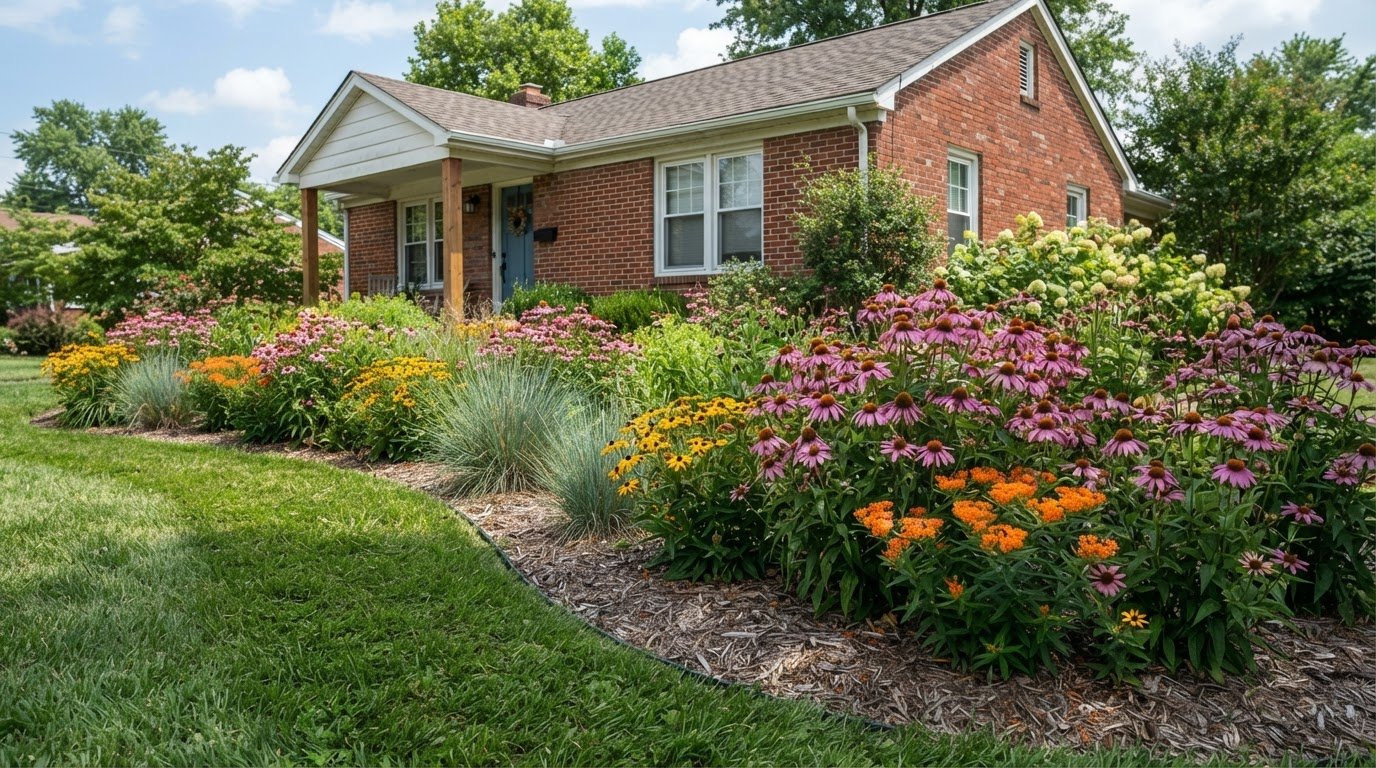
- Choose plants for local conditions, not appearance alone. Research each plant’s climate suitability, mature size, sun exposure, water needs, wildlife interactions, and pests. Native plants can suit local conditions, but native status alone doesn’t mean a plant tolerates drought. Read plant tags and group plants with similar care needs.
- Use mulch and spacing to protect roots and reduce routine work. A 2-3 inch mulch layer can retain soil moisture, limit weeds, and moderate soil temperature. Keep organic mulch a few inches from stems and trunks to help prevent rot. Allow room for mature plant size, so crowded growth doesn’t require repeated pruning or replacement.
- Phase larger projects according to priorities and budget. Start with drainage or plant-health problems, then add planting beds, lighting, or other features later. A landscape plan can identify high-impact work and coordinate plant placement before installation. Dividing established perennials can also create new plants from existing clumps, reducing the need to buy more.
- Compare maintenance needs before reducing lawn area. Replacing some turf with mulch, ground covers, or suitable plantings can reduce mowing and ongoing care. The U.S. Environmental Protection Agency reports that, over 20 years, maintaining prairie or wetland costs $3,000 per acre versus $20,000 per acre for non-native turf grasses.
- Account for local conditions when considering incentives. Landscaping expenses don’t automatically qualify for tax credits or rebates; eligibility depends on the specific program and qualifying work. Costs, water restrictions, and rebate terms vary by location, climate, site conditions, and local program rules.
- Use shade and wind protection as part of the planting plan. A well-placed tree can shade a sunny wall or driveway, while evergreen windbreaks can reduce exposure to cold winds. Irrigation design can also lower water bills by matching zones to plant water needs, reducing waste from overwatering and underwatering.
Comparing DIY costs with professional installation
Compare the full effort and expected lifespan, not just the initial purchase. Understanding how professional landscaping saves money means weighing design, labor, upkeep, and the potential cost of rework.
-
Compare Professional Design With DIY Landscaping
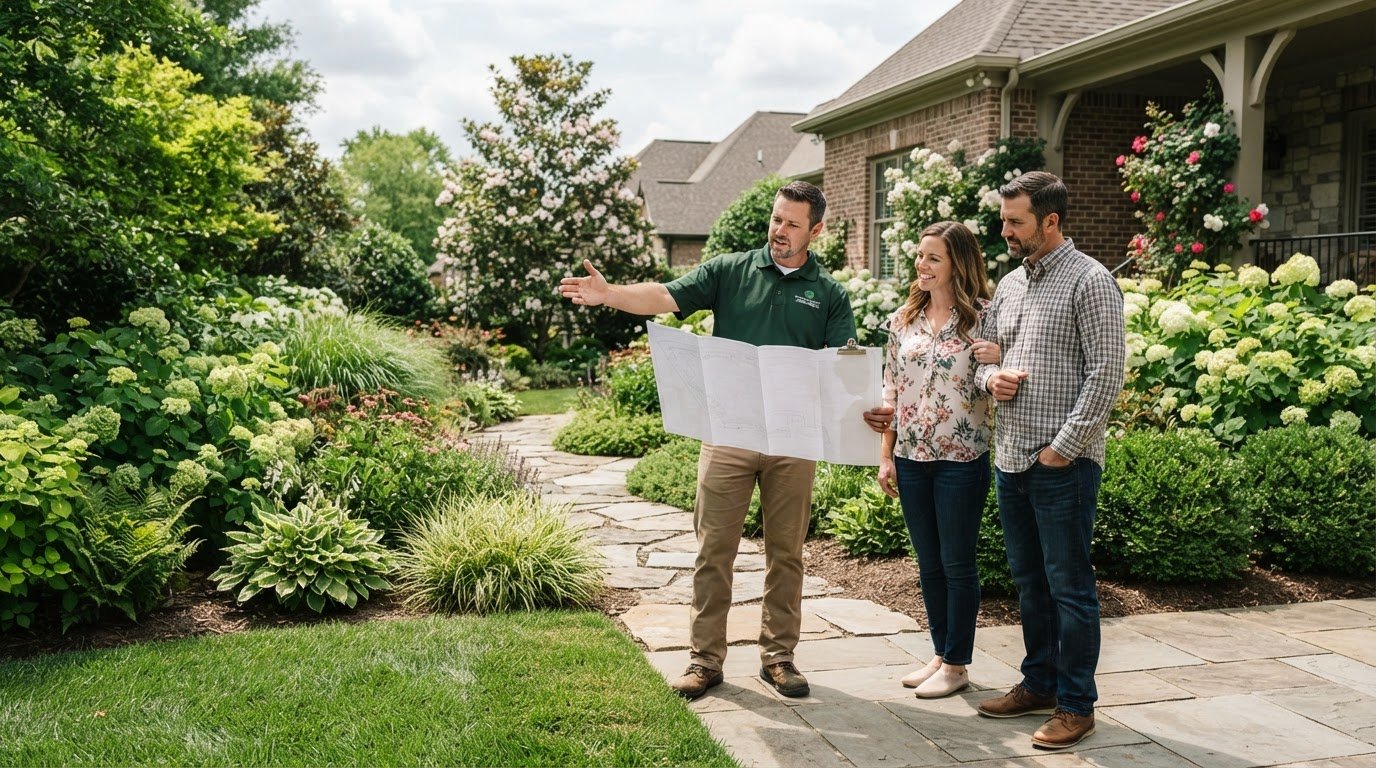
List the work your plan requires, then decide which parts need design expertise. Professional design can be especially useful when starting from bare ground, planning a major redesign, or adding hardscaping or landscape lighting. A scaled plan shows how paths, planting beds, and outdoor features fit together before materials are installed.
For a small planting bed, a homeowner may feel comfortable choosing and arranging plants independently. For a full-yard redesign, an overlooked slope or poorly placed walkway can lead to rework. Compare your DIY plan with a professional layout, and avoid buying materials before the design and site needs align.
-
Compare Long-Term Savings With DIY Costs
Estimate the whole project before choosing DIY or professional installation. Include plants, soil, mulch, equipment rental, delivery, your time, and likely repairs. A DIY patio involves more than pavers: ground preparation, base materials, leveling, and drainage all affect the finished result.
Then consider ongoing work. Narrow lawn strips between planting beds can make mowing and edging harder, while a simpler layout may take less time to maintain. How professional landscaping saves money depends on whether planning and installation prevent avoidable mistakes or repeated work. DIY may suit manageable tasks with clear steps and familiar tools.
-
Assess Returns and Resale Value
Prioritize improvements that meet visible needs and make outdoor areas easier to use. Healthy, well-arranged planting beds can strengthen curb appeal, while functional paths, lighting, or outdoor living areas can improve how the yard feels. The right project depends on the property’s condition and layout, as well as likely buyer priorities.
Landscaping can improve a home’s perceived value, but resale price depends on the whole property and local market. Focus on cohesive design, sound installation, and features that fit the home. Avoid choosing an expensive upgrade solely for resale; a polished entrance or usable patio may address a clearer need.
- Separate tasks you can complete confidently from work that needs specialized planning or construction. Planting a few shrubs may be a practical DIY job; regrading a yard or building a patio requires careful coordination. Compare the time, equipment, and correction work each approach involves, rather than assuming all labor is an easy saving.
- Choose a scope that fits your priorities, then plan the sequence. You might complete planting first and add lighting later, instead of disrupting finished areas. For a project plan that balances design and installation needs, discuss your landscape project.
Choosing between DIY work and hiring a professional
Assign each task according to skill, risk, equipment, and the time your garden needs. Understanding how professional landscaping saves money starts with matching the work to the right approach.
- Separate routine tasks from work that changes the site. Weeding, light pruning, and planting a small garden bed are manageable DIY jobs when the soil is ready. Grading, drainage changes, hardscaping, and landscape lighting require careful planning across several parts of the property. List each task separately before deciding, rather than treating the entire landscape as one project.
- Match the job to your experience and available time. A homeowner comfortable with hand tools can handle simple planting, while building a level patio involves ground preparation, a stable base, and careful alignment. Account for time spent learning, setting up, and cleaning up. Savings on labor can disappear if unfamiliar work needs correction.
- Consider which mistakes could affect other parts of the yard. A shrub planted in the wrong location can crowd a path as it grows; changing a slope can redirect water toward a garden bed or home. For work involving drainage, grading, or connected features, use a professional plan before starting. Keep straightforward planting or routine upkeep as separate DIY tasks.
- Check whether you already own the tools the project requires. One gardener reports that a hose, cart, trowel, pruners, and spade cover about 95% of her gardening tasks. That example suits routine garden care, not every installation. For a project requiring specialized equipment, include rental, transport, setup, and the time needed to learn safe, accurate use.
- Choose plants and methods that fit your knowledge of the site. A native planting bed still needs suitable sunlight, soil, and spacing; native status alone doesn’t ensure a plant will thrive in every spot. For a small bed with familiar conditions, DIY planting can be practical. For a full-yard redesign, professional planning coordinates plant selection with layout and site conditions.
- Decide whether the project schedule favors DIY work or a crew. A commenter estimated that a small contractor could complete landscaping work in 2-3 days. That estimate illustrates the value of comparing concentrated installation time with your available hours, not a guaranteed schedule. Consider whether unfinished work would disrupt access, mowing, or use of the yard.
- Use a professional for design when the project has several linked decisions. Landscape designers go to school for at least 4 years to learn how to create a landscape. Their training supports coordinated choices about layout, plants, drainage, and features. How professional landscaping saves money depends on whether that coordinated planning avoids costly missteps. For a simple planting refresh, DIY may fit; for a complex redesign, compare the value of an integrated plan.
Planning and budgeting to avoid costly surprises
- Draw a scaled plan before buying materials. Mark the house, existing trees, slopes, paths, and planting beds, then place proposed shrubs and features on the layout. This makes spacing and access easier to assess before work begins. A clear plan can also show how each phase supports curb appeal, so early improvements don’t conflict with later projects.
- Build the budget from separate project categories. List plants, materials, labor, equipment, drainage work, lighting, and irrigation as distinct items. Set aside a cushion for unexpected expenses, such as extra soil needed after clearing a bed. This breakdown makes it easier to adjust the project scope without overlooking necessary installation work.
- Set priorities before choosing finishes. Address drainage and grading first, since water flow can affect planting beds, paths, and usable lawn areas. Next, identify features with an immediate benefit, such as a stable walkway or shrubs framing an entrance. Keep decorative additions in the plan, but schedule them after essential site work.
- Divide a large landscape into phases that can stand on their own. For example, complete the front entry and its planting beds first, then plan backyard improvements later. Make sure each phase connects with the overall layout, including paths and irrigation routes. This spreads work over time without relying on temporary choices that later need removal.
- Match plant choices to the property’s climate and site conditions. Note sunlight, soil, and watering needs for each proposed bed, then select plants suited to those conditions. A shrub chosen for its mature size can fill its intended space without repeated replacement or heavy pruning. Avoid choosing plants by appearance alone, since mismatched needs can increase upkeep.
- Compare grass options as part of the project budget. Growing a lawn from seed costs less than laying sod, while sod provides immediate grass. One balanced approach is sod in the front yard for immediate curb appeal, with seed in the backyard to reduce upfront spending. Prepare the ground first, since poor preparation can undermine either choice.
- Coordinate the schedule with the project’s scope and season. For a late-spring or early-summer installation, a commenter advised getting on a landscape contractor’s schedule in February or March. Include grading, planting, and irrigation in the plan so one phase doesn’t damage completed work. A clear sequence prevents material purchases from getting ahead of site preparation.
A design review can make the layout easier to assess before installation. A scaled landscape plan helps homeowners visualize a design before installing it. Professional landscape design plans the site’s layout, plant selection, drainage and grading, hardscaping, lighting, and irrigation before installation begins.
Include plants, materials, and labor in the budget, along with a cushion for unexpected expenses. To balance appearance and spending, homeowners can use sod in the front yard for immediate curb appeal and grow grass from seed in the backyard to reduce upfront costs.
Sustainable, low-maintenance landscaping
Choose outdoor features that need less routine care, then design them around local conditions. These choices can reduce recurring work and help control the long-term expense of maintaining a property.
- Replace hard-to-mow lawn edges with practical alternatives. Narrow strips beside fences and curved beds can require extra trimming. Consider ground cover, suitable shrubs, or a defined planting bed in those areas. Reducing lawn where it serves little purpose can cut mowing and edging while keeping the main lawn open for recreation.
- Choose plants for their location and care needs, not appearance alone. Before buying, compare plant tags for sunlight, soil, and water requirements. Native plants can suit local conditions, but native status alone doesn’t establish drought tolerance. Match plant needs to the site, and group compatible choices to make watering and routine care easier.
- Plan irrigation zones around plant water needs. Separate areas with different requirements, such as a sunny border and a shaded bed, so one schedule doesn’t overwater one group or leave another dry. The U.S. Environmental Protection Agency notes that grouping plants with similar watering needs into irrigation zones can reduce water use and help prevent underwatering and overwatering.
- Reuse suitable materials when adding hardscape features. Bricks, pavers, or stones from another project or a salvage yard can become a path border or small patio detail. Check that the pieces suit their intended use and fit the layout before installation. Reusing materials can reduce new purchases, while a coordinated design helps avoid a patchwork appearance outdoors.
- Use shade and planting layout to improve comfort around the home. A shade tree can reduce direct sun on a seating area, while a well-placed hedge can create a sheltered outdoor corner. Choose plants for mature size and location, keeping paths, windows, and usable yard space in mind. Well-planned planting can add function without creating difficult upkeep.
- Choose ground cover and mulch with future maintenance in mind. Landscape fabric beneath mulch can slow decomposition and delay replacement, while organic mulch should stay clear of plant stems and tree trunks. Consider the whole bed: fabric, edging, and plant spacing need to work together. Preparation helps limit weeds and keeps routine care manageable.
For a low-maintenance layout tailored to your property, discuss your landscape design.
Water-conscious lawn care can complement planting choices. Not watering a lawn can reduce water use by more than 200,000 gallons per year, depending on yard size, climate, and other factors. Allowing grass to grow taller supports a deeper root system and reduces how much it needs to be watered. Avoiding unnecessary treatments can also protect the lawn: applying weed or crabgrass killers can cost more and make grass less healthy. Homeowners can weigh these choices against how they use the lawn, keeping active areas while limiting care on parts that provide little value.
Summer planting can also improve comfort around the home. Smart summer landscaping can reduce home-cooling costs by as much as 50 percent, and the air temperature directly beneath a tree can be 20 F cooler than the temperature over a sunny driveway. When adding paths or patio details, homeowners can use bricks, pavers, or stones from other projects or salvage yards, checking their suitability and fit before installation.
Palisades Outdoor Solutions: Lawn Care & Mowing
Palisades Outdoor Solutions helps homeowners maintain their landscape and plan practical property improvements. Turn to the team when routine lawn care takes time away from other priorities, or when a project needs consistent upkeep after installation.
Lawn Care & Mowing and Landscape Maintenance support regular care, while Mulch & Rock Installation can refresh planting beds. For larger changes, Landscape Construction can bring planned outdoor improvements together. Matching the work to your property’s needs helps focus spending on useful maintenance and upgrades, rather than tackling every task at once.
Share your landscaping priorities and contact Palisades Outdoor Solutions to discuss the next step.
Make your next landscape decision count
A landscape doesn’t need a complete overhaul to become easier to care for. Choose one area that currently demands repeated attention, then consider what would make it more functional over time. A practical next step could be refreshing a planting bed, making the lawn easier to manage, or setting a maintenance routine suited to your property.
Understanding how professional landscaping saves money means looking beyond the immediate task. The right approach connects the work you need now with a landscape that remains practical to maintain. Palisades Outdoor Solutions can help you plan lawn care, landscape maintenance, or mulch and rock improvements around your priorities.
Share the area you want to improve and the outcome you’re aiming for. Start a conversation about your landscape, and take the next step toward a property you’re proud to care for.
Frequently Asked Questions
How does routine landscape maintenance prevent costly repairs and plant replacement?
Routine maintenance helps identify small problems before they affect nearby plants or outdoor features. For example, spotting a damaged irrigation head can help prevent uneven watering, while noticing a newly wilting shrub can prompt attention before surrounding plants are affected. In Nicholasville, regular observation also helps track how seasonal conditions affect a property. Addressing changes early supports plant health and can help avoid larger corrective work.
What are the costs of DIY landscaping compared with hiring a professional?
DIY landscaping trades labor expense for your time, equipment, materials, and responsibility for correcting mistakes. Hiring a professional adds labor, but can make sense for work requiring specialized equipment or coordinated installation. Compare the full scope: a small planting refresh differs from installing a patio or reshaping a yard. For homeowners in Nicholasville, the best comparison weighs project complexity, available time, and the value of avoiding rework.
What landscaping projects provide the highest return on investment?
There is no single highest-return project; it depends on the property’s condition, layout, and likely buyer priorities. Healthy planting beds, a polished entrance, or a usable patio can improve curb appeal and usability, and good landscaping can provide up to 125 percent of its return on investment.