The strongest case for convincing your spouse to hire a landscaper isn’t a promise of a perfect yard; it’s a clear plan for what the work will cost, how payment will be handled, and how the project will fit your household. Landscaping costs depend on the scope, site conditions, and materials, and a price is provided after a quote request. Agreeing on priorities before discussing the work can make the decision feel more manageable.
It’s reasonable to weigh the expense against other household needs and to wonder how long the work will disrupt your routine. A practical conversation can address those concerns without turning the decision into a debate about appearances. You’ll learn how to discuss costs and payment terms, set a shared budget, and plan a timeline that respects family life.
The sections ahead explain how to compare a project’s scope with your priorities, break a larger plan into manageable phases, and agree on expectations before work begins. That gives both of you a clearer basis for deciding whether professional landscaping is the right fit now, later, or in stages.
Defining project costs and payment terms
DIY landscaping mainly costs your time and materials, while professional work includes labor, planning, and installation. Compare the full scope and its effect on your household, not just the initial expense, before agreeing on a budget.
For a clear household decision, define the work, agree on payment terms, and set a spending limit you both accept.
Comparing Quotes and Estimates
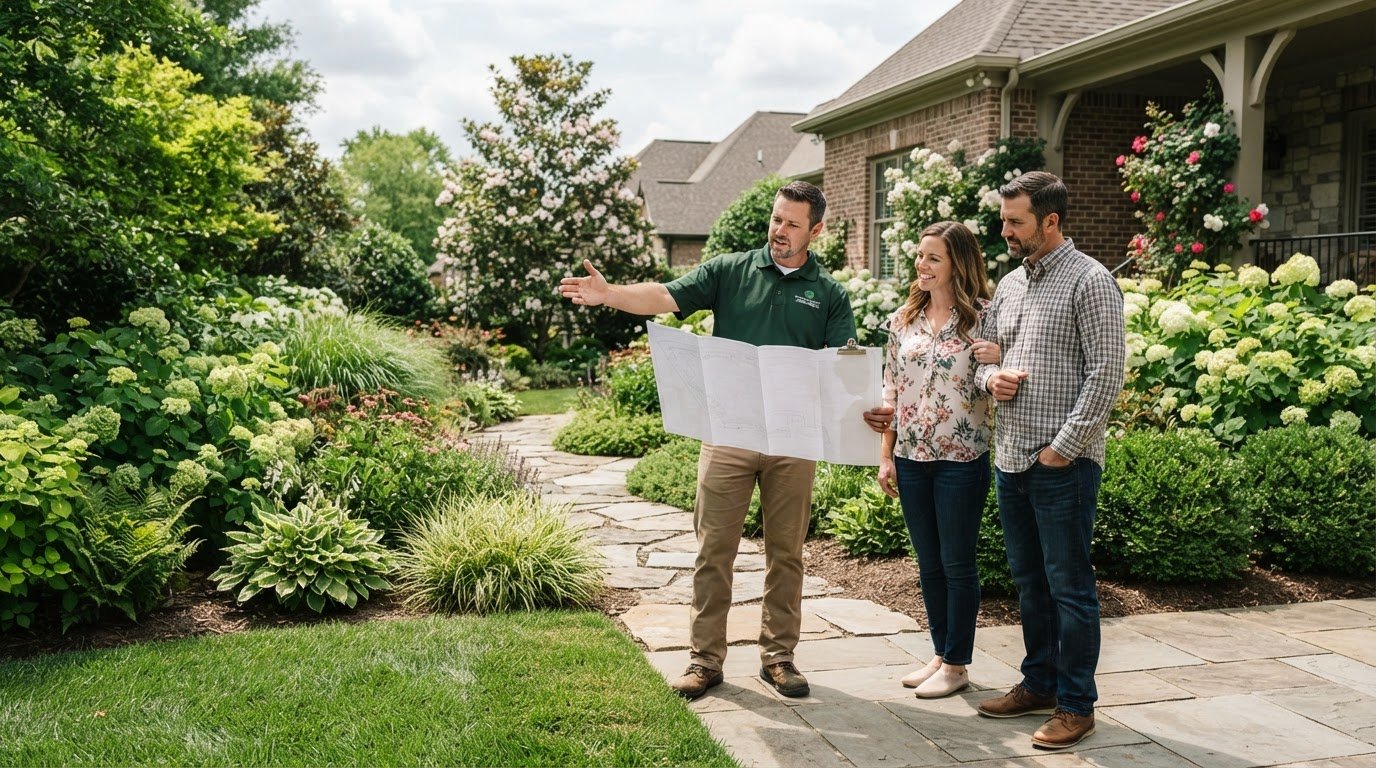
A quote or estimate describes the proposed work and its expected cost, but the included tasks can differ. Comparing three bids helps reveal whether each covers the same planting area, materials, preparation, and cleanup.
Review the scope line by line rather than choosing the lowest total. One estimate might include grading and planting, while another covers planting alone. Ask what each item includes before treating totals as comparable. A shared scope helps spouses discuss value instead of reacting to different assumptions.
- Work: Identify each task, such as removing old beds or installing new planting.
- Materials: Note whether plants, mulch, edging, or other materials are included.
- Changes: Agree how added work or altered materials affect the approved total.
Keep the written estimate beside your household budget. Mark the preferred scope, optional items, and any work that could wait. This creates a specific proposal to discuss, rather than an open-ended request to spend on the yard. The price depends on project scope, site conditions, materials, and access, and is provided after a quote request.
DIY and Professional Landscaping Costs
DIY landscaping shifts the work to household members, while hiring a professional adds paid labor and project coordination. The distinction matters because the lowest immediate expense may require more personal time, tools, and repeated effort.
Compare realistic tasks, not an idealized weekend plan. Planting a small bed may be manageable as a DIY project, while reshaping several areas can require planning, material handling, and coordinated installation. Consider the time available, the skills needed, and whether the finished work must connect consistently across the property.
- DIY: List materials, tool access, preparation, installation, and ongoing care.
- Professional work: Define the requested tasks and the expected finished result.
- Shared choice: Keep essential work in scope and postpone optional features.
Payment terms should match the written scope. Agree on the total, the amount due at each milestone, and how changes are approved before work begins. You might plan design and installation as separate phases, then set a household spending limit for each. Record the agreed start date, estimated completion date, and payment schedule together. A defined plan gives both partners a practical basis for deciding whether to proceed now, reduce the scope, or divide the work into phases.
Landscaping spouses and family life
A landscaping decision affects more than the yard. It can change household routines, shared space, and family time. Discussing those effects alongside the project scope helps both spouses judge whether the work fits their life now.
Are permits or HOA approval required for landscaping work? That depends on local requirements, community rules, and the project’s scope. A planting refresh and a construction change may raise different approval questions, so identify the proposed work before setting expectations.
What risks come with hiring an unlicensed landscaper? Licensing requirements vary by state, and there is no uniform license for all contractors. Hiring someone without a license required for the work can put the project outside applicable licensing rules. Understand which requirements apply to the proposed work.
Use specific household examples to make the discussion practical. If work would affect the patio where your family eats, agree on how that space will be used during the project. If children play in the yard after school, identify which areas should remain accessible. These details turn general concerns about disruption into decisions both spouses can address.
Family time also deserves a place in the conversation. Jillian Burns says she and her spouse schedule time together and treat it as non-negotiable. That principle can help homeowners set boundaries around landscaping plans: choose times to discuss decisions, then keep family time separate from project talk. A defined conversation window prevents every evening from becoming a debate about plants, materials, or timing.
Workload matters, too. Jason Minshew describes spring landscaping work as all-consuming, making it difficult to step away. Annie Taylor says she and her spouse have sometimes put their landscaping business before their children. Their experiences concern couples running a business, not homeowners hiring a crew, but they illustrate why family priorities need clear protection. For a household project, agree on access, noise expectations, and which family routines should continue uninterrupted.
- Protect shared time: Set a specific time for project conversations, then pause the topic outside it.
- Map family routines: Name the spaces and activities that matter, such as outdoor meals or children’s play.
- Agree on disruption: Decide which temporary changes are acceptable and which would make the timing unsuitable.
- Keep decisions shared: Both spouses should agree on the areas, priorities, and household boundaries before work begins.
When your family priorities are clear, a landscaping project conversation can focus on the work and its effect on daily routines.
Keep decisions shared. Running a landscape business together can make it harder for spouses to separate work from home life. Ira Wade says working with his wife allows them to pursue a common goal and exchange ideas. Shanna Scordo says she and her husband can share successes and support one another.
Those benefits can sit alongside boundaries. Ira Wade says he sometimes needs to remember that his wife is his spouse, not just an employee. Keeping that distinction in mind can leave room for shared goals and support without making work the whole relationship.
Setting a budget and project timeline
A shared budget and realistic timeline turn a landscaping idea into a household decision. Start with the result you both want, then connect each phase to its cost, timing, and effect on daily routines.
How much time and money can professional landscaping save? It depends on the work and the time you would otherwise spend planning, sourcing materials, and completing it. Compare those tasks with the project’s written scope and schedule rather than assuming professional work will save a specific amount.
Separate essential work from improvements you can postpone. If drainage or access needs attention before planting, for example, make that the first phase. Decorative additions can wait until the household has room in its budget. This distinction keeps a large wish list from obscuring the work that matters most.
That range makes scope especially important: the design, site conditions, materials, and construction involved affect the total. Treat it as a broad planning reference, not a price for a particular property. The proposal’s defined tasks are what make the project budget useful for your household.
Build the budget around decisions you can revisit together:
- Set a comfortable limit: Agree on a household amount before selecting optional features.
- Prioritize the scope: Identify the work that addresses your main need, then separate enhancements.
- Choose phases: Decide which parts can move forward now and which can wait.
- Record payment points: Match payments to agreed work stages and document how changes are handled.
Then connect those choices to a timeline. A landscaping plan should specify the project’s start date and estimated completion date. These dates help both spouses plan around household routines and understand when the yard may be affected. They also give the project a clear frame, rather than leaving the commitment open-ended.
Phasing can make the schedule easier to manage. One homeowner completed landscaping by planting one section each month. That example shows how dividing work can spread the effort over time, although the right pace depends on the project. A phased plan can also let spouses evaluate one completed area before deciding whether to proceed with later improvements.
Before approving the plan, review the budget and calendar together. Compare the proposed start with family events, yard use, and the timing of each project phase. If the schedule conflicts with an important routine, adjust the sequence or postpone a phase. A shared decision should account for both the finished landscape and the household’s capacity during the work.
What landscaping services are worth hiring a professional for?
Professional help is most useful when a project requires coordinated design, specialized skills, or careful installation. A simple planting refresh may suit a capable homeowner, while a multi-area redesign can benefit from professional planning.
Start by identifying the challenge, not by choosing the largest project. If several planting beds look disconnected, for example, a landscape designer can plan how their shapes, plants, and materials work together. A commenter noted that a one-hour landscape architect consultation could save hundreds of dollars over time. That potential value comes from addressing design decisions before committing to materials and labor.
Construction work can also warrant professional involvement when separate elements need to fit together. A new patio, planting bed, and pathway must function as parts of one outdoor space. A clear plan helps coordinate their placement and appearance. It also gives spouses a shared proposal to consider, rather than several unrelated ideas competing for the budget.
Lighting is another example where planning affects the finished result. A homeowner may want safer, more usable paths and a comfortable evening setting. A professional can incorporate the intended uses into a layout, so fixture placement supports movement and atmosphere instead of adding scattered points of light.
- Consider design help: Choose it when several areas need a unified layout or plant selection.
- Consider installation help: Choose it when construction tasks must align across the yard.
- Consider lighting expertise: Choose it when evening use, path visibility, and ambience all matter.
- Keep manageable tasks in-house: A small bed with straightforward planting may be a practical DIY project.
Ongoing care can be worth delegating when recurring yard work competes with family time or other responsibilities. A household that struggles to keep beds tidy, for example, may prefer a defined maintenance plan over occasional catch-up weekends. The decision rests on the work involved and the time your household can consistently give it.
To discuss the choice with your spouse, connect each professional task to a visible need. A design plan addresses an uncoordinated yard; construction organizes a larger improvement; lighting supports evening use. This makes the proposed work easier to weigh against household priorities. It also prevents “hire a landscaper” from sounding like a broad, open-ended commitment.
Separate professional work from tasks either spouse enjoys doing. One partner might handle seasonal container planting, while a professional plans a complex layout. That division keeps personal involvement in the yard while directing specialized work to experienced hands. A focused scope can make professional help feel like a practical choice, not an all-or-nothing decision.
What questions should I ask before hiring a landscaper?
Before approving a landscaping project, both spouses need clear answers about the work, its limits, and its effect on the property. Focus your discussion on practical details that help you decide whether the proposed plan addresses your household’s priorities.
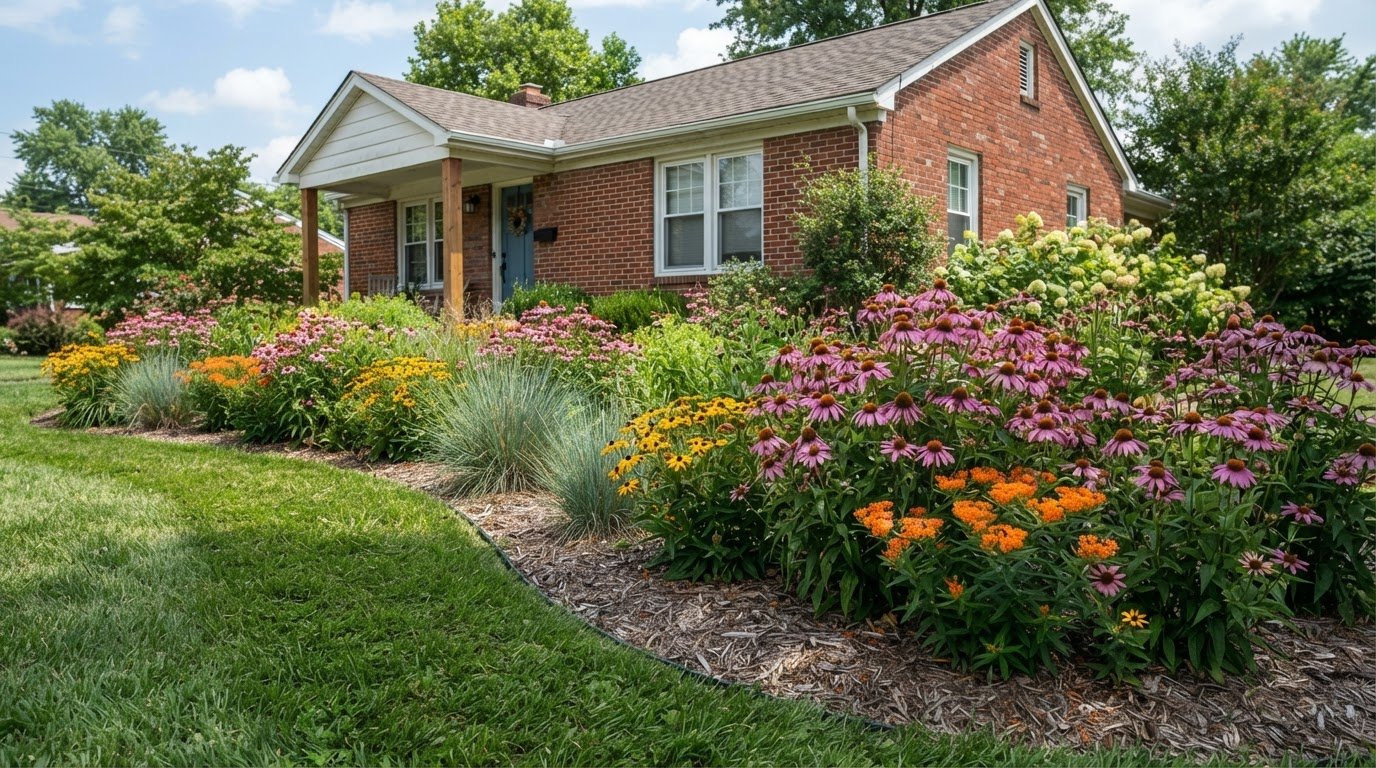
Start with the result. Is the goal a more usable patio, coordinated planting beds, or clearer pathways? Naming one main outcome helps keep the scope focused. If your priority is an untidy front garden, for example, a defined planting plan may be more relevant than adding lighting or rebuilding another area.
Next, clarify what the work includes. A useful project description identifies the areas affected, the tasks involved, and the intended finish. If a plan includes planting, consider how plant choices relate to sunlight, soil, and existing features. If it includes construction, understand how the new element will connect with the surrounding landscape. Clear boundaries help prevent mismatched expectations between spouses.
Ask how the proposed materials and design support the intended use. A family that spends evenings outdoors may prioritize comfortable circulation and lighting, while a household seeking a simpler yard may value durable planting and manageable upkeep. These examples help translate preferences into design decisions instead of relying on broad terms such as “better” or “more polished.”
Licensing deserves attention, too. Most U.S. states require landscape contractors to have a license, and requirements vary by state; there is no uniform license required of all contractors. The risks of hiring an unlicensed landscaper depend on the applicable state requirements and the work involved. A clear discussion of licensing helps spouses understand whether the project falls under rules that apply locally.
For tree-related work, knowledge matters. Important tree work should be done by a knowledgeable arborist. This distinction is useful when a landscaping plan involves trees, because tree care differs from general planting or bed maintenance. Identify whether tree work is part of the project before treating it as ordinary landscaping.
- Define the outcome: Name the main improvement and the areas it affects.
- Clarify the scope: Separate included tasks from optional ideas.
- Consider daily use: Connect layout and materials to how your family uses the yard.
- Identify specialized work: Distinguish tree care from general landscape tasks.
Use the answers to decide together whether the proposal solves a real problem, fits your priorities, and feels clear enough to approve. If you’re ready to discuss a specific landscape project, start a project conversation.
Consider what your household needs and whether both spouses are comfortable with the trade-offs. Ask what conditions could affect the plan and whether an additional assessment is advisable before work begins. If soil conditions are a concern, discuss whether testing is relevant and what it would cover. Avoid assuming every project needs it.
Ask the landscaper to explain whether this expense is part of the proposal or would be separate, and what decision the results would inform. Before agreeing, compare the recommended assessment with the project’s goals and confirm that both spouses understand the expected scope.
Palisades Outdoor Solutions
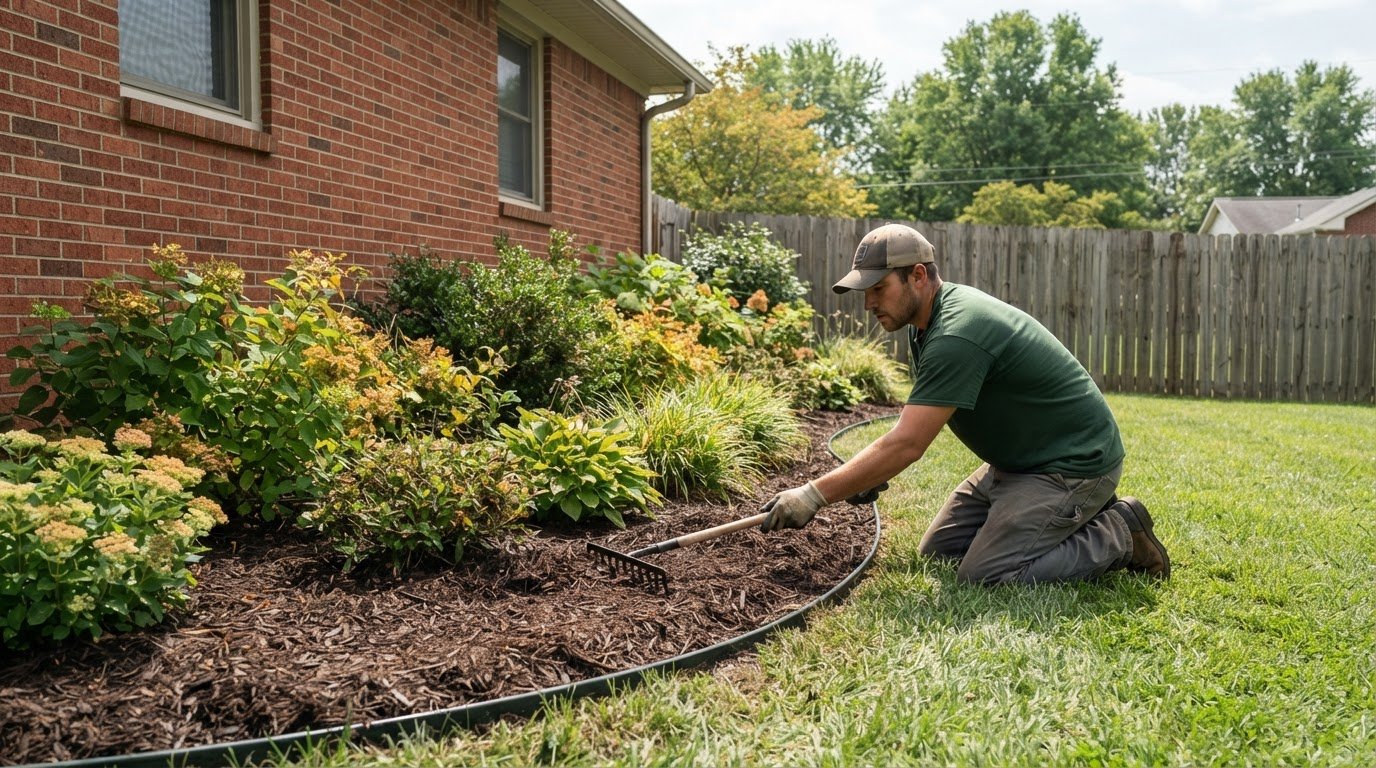
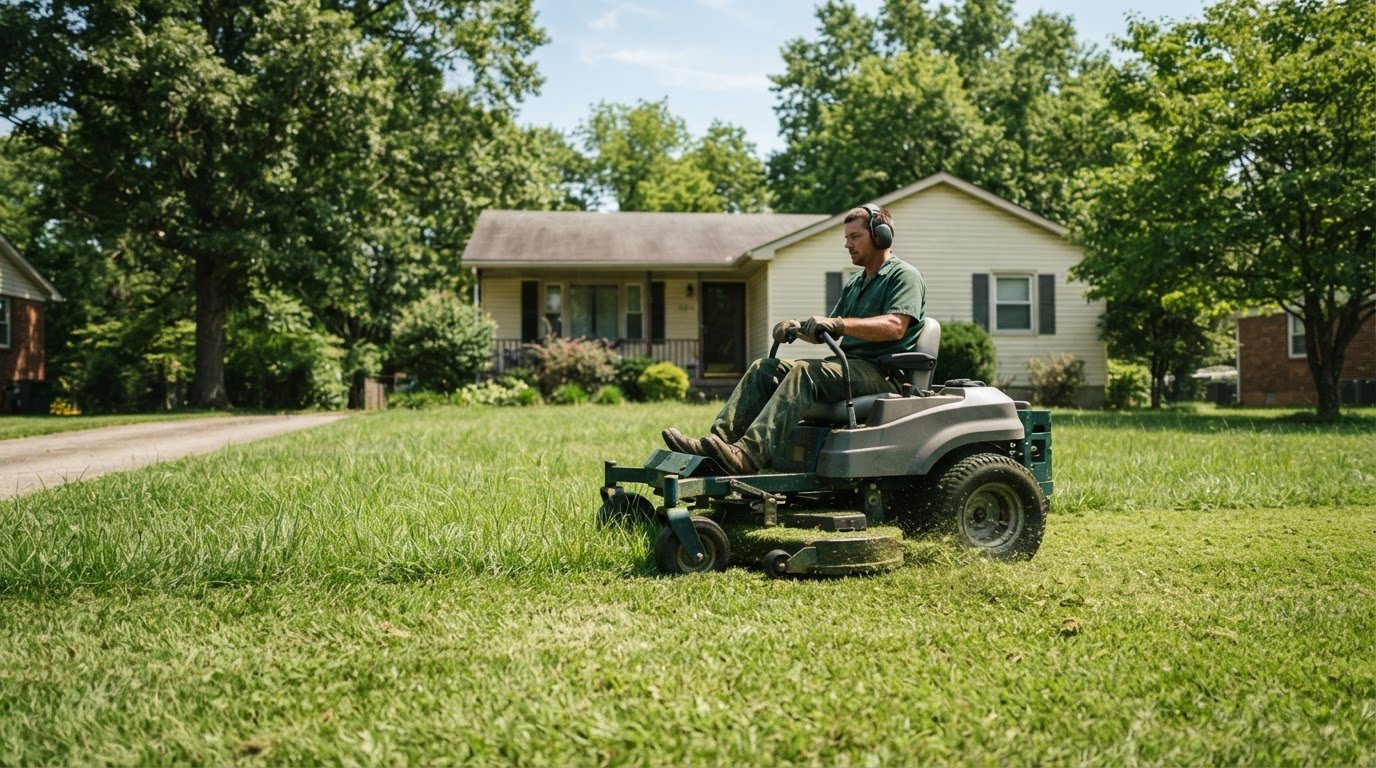
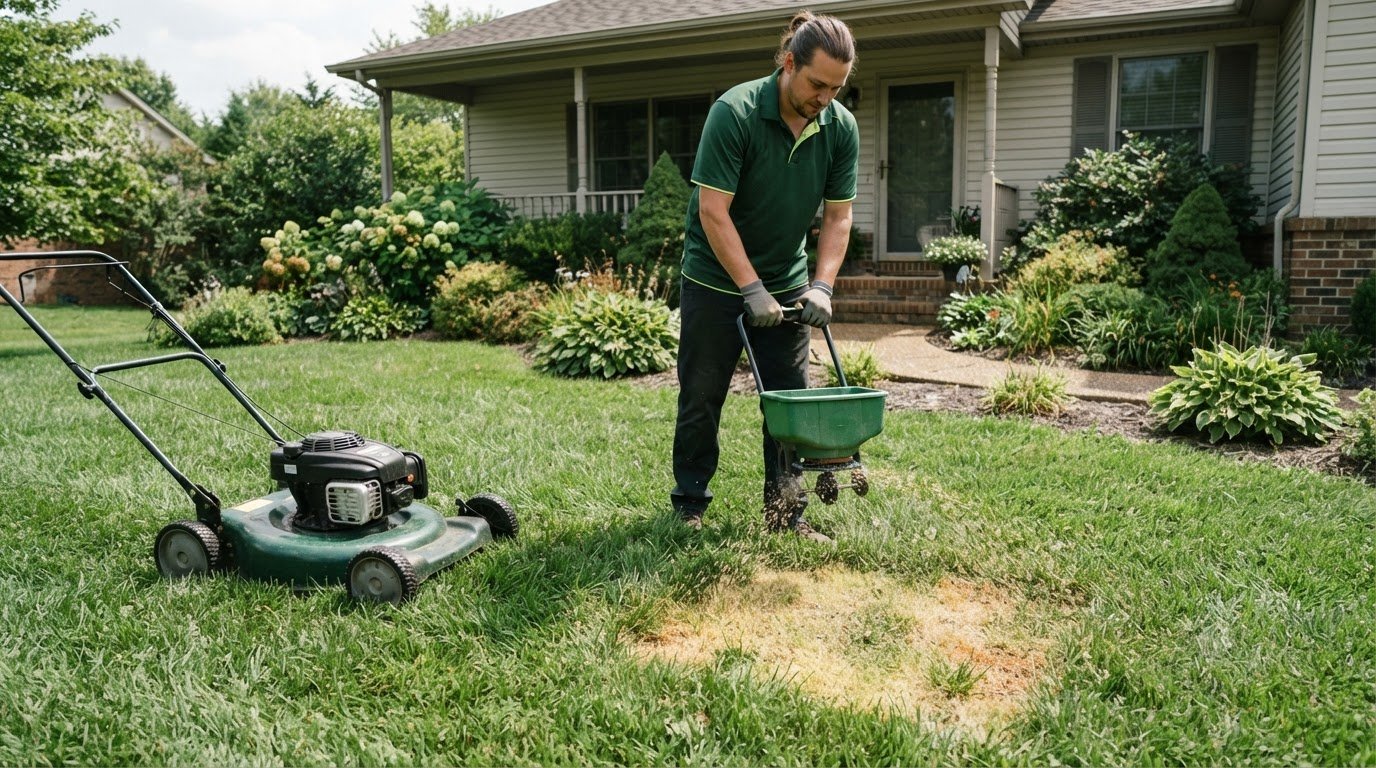
Palisades Outdoor Solutions helps homeowners turn shared landscaping priorities into practical outdoor improvements. If you and your spouse agree the yard needs attention but differ on where to begin, a defined project can make the decision clearer. Landscape design and construction address planned changes, while landscape maintenance, lawn care and mowing, and mulch and rock installation support the property’s ongoing appearance.
Start with the outcome you both want, such as a more organized yard or a space that feels easier to maintain. That shared goal can guide the scope and help keep the conversation focused on what matters to your household. When you’re ready to discuss your landscaping needs, contact Palisades Outdoor Solutions.
Make the next conversation a shared decision
If convincing your spouse to hire a landscaper has felt like a debate, shift the focus from who is right to what you both want your outdoor space to do. A yard can support quiet mornings, family gatherings, easier upkeep, or a stronger sense of pride in your home. Choosing one shared priority gives the conversation a constructive place to begin.
You don’t need to settle every detail in one discussion. Agree on the outcome you value most, then decide whether professional help is the right way to pursue it. That leaves room for both perspectives and keeps the decision connected to your household, rather than creating pressure to make an immediate commitment.
When you’re ready to explore a landscape project together, talk with Palisades Outdoor Solutions about your plans. A thoughtful first conversation can help you move toward an outdoor space that feels right for both of you.
Frequently Asked Questions
How much does a landscaper cost?
There isn’t one fixed landscaper cost, as pricing depends on the scope of work, property conditions, materials, and labor involved. For homeowners in Nicholasville, Palisades Outdoor Solutions offers affordable pricing and a free, no-obligation estimate. The company is licensed and insured and brings Expertise, a Customer-Centric Approach, Attention to Detail, and competitive rates to its work. The estimate gives homeowners a project-specific basis for convincing your spouse to hire a landscaper and moving forward with confidence.