Doing it yourself isn’t always the simpler choice. Whether professional lawn fertilization is worth it depends on your lawn’s needs, your confidence applying fertilizer correctly, and how much time you want to spend on seasonal care. DIY may suit a small lawn when you understand its grass and soil. Professional care can be useful when the property is larger or lawn problems keep returning.
It’s reasonable to weigh the convenience of professional care against the control of doing the work yourself. Fertilizer choice, timing, and even coverage all affect how a lawn responds, so the decision involves more than simply spreading a product.
This guide compares professional care and DIY across lawn assessment, application risks, time, and convenience. You’ll learn when each approach may fit and how fertilization can work alongside other seasonal lawn care.
1. Can I Fertilize My Own Lawn, Or Should I Hire A Professional?
You can fertilize your own lawn, particularly if it’s small and you understand its grass and soil. The decision involves more than the product cost: application accuracy, seasonal timing, equipment, and the time you can set aside all matter.
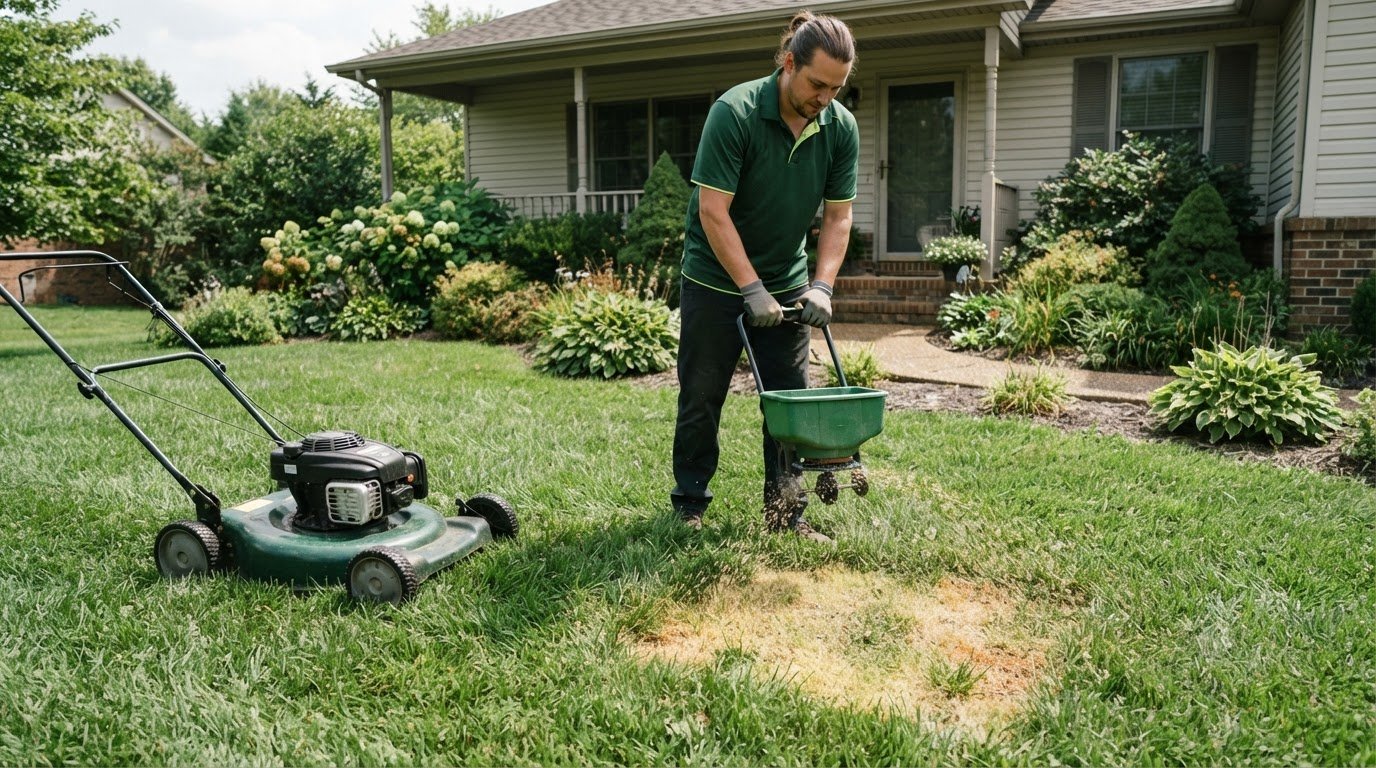
DIY lawn-care costs cover different items, so they shouldn’t be added as if every homeowner has the same expenses. A small yard may need less fertilizer and simpler equipment than a large property. Still, the product must suit the grass, and the spreader must distribute it evenly. An incorrect setting can waste fertilizer or leave visible stripes.
Professional fertilization costs depend on lawn size, location, fertilizer type, grass type, and the lawn’s existing condition. A one-acre property generally requires more fertilizer than a small patch, while recurring lawn problems may call for a more tailored approach. Climate and spring growth also affect treatment timing. Monthly lawn care plans can make recurring maintenance easier to budget, but the included work and schedule determine what the plan covers. Fertilization may be grouped with services such as weed control, aeration, or overseeding.
State and local rules can restrict which fertilizers are suitable, affecting product selection and the cost of lawn care. Requirements differ by location, so a product permitted in one community may not meet another’s restrictions. Local rules are one consideration alongside turf needs and application timing.
Professional lawn care may be worth the cost when a large lawn, recurring problems, or limited time make DIY work harder to manage. For a smaller lawn, DIY can be practical if you can identify its grass and soil needs, measure the application rate, and spread the product consistently. Whether professional lawn fertilization is worth it depends on those factors and how much you value convenience.
How much can professional fertilization improve a lawn’s health and appearance? Fertilizer matched to the lawn can support thicker, healthier grass, which may naturally suppress weeds. Stronger roots can also help turf withstand drought and pests, though thin or discolored areas may have causes beyond nutrient deficiency.
To compare costs fairly, include DIY equipment, fuel, maintenance, fertilizer, and your time, then weigh them against the application work and schedule professional care provides. If you already own suitable equipment and can apply fertilizer correctly, DIY may save money. If diagnosis, timing, or even coverage is a challenge, professional care can reduce the work and guesswork.
2. Professional expertise and lawn diagnosis
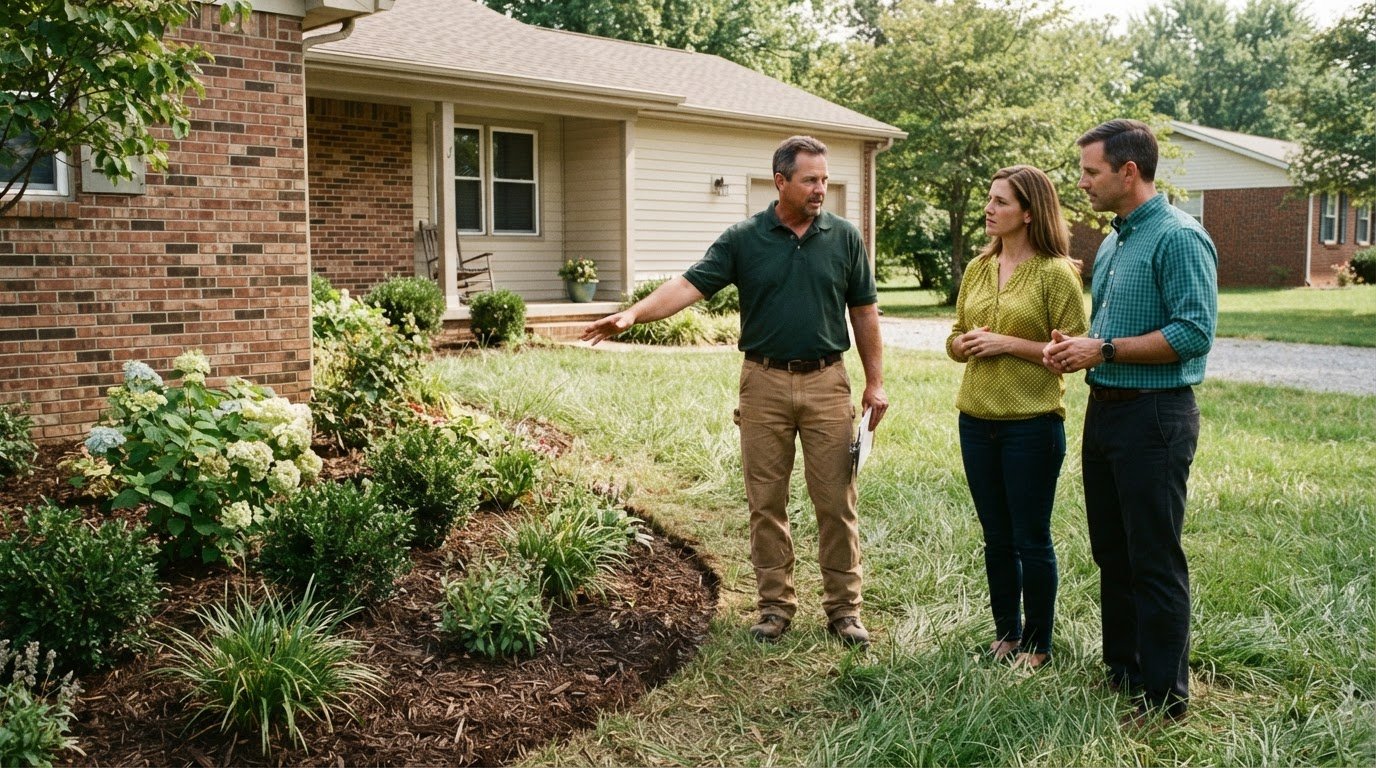
Thin turf doesn’t automatically mean a lawn needs more fertilizer. Discoloration, weak growth, and bare areas can also signal pests, disease, compacted soil, or unsuitable growing conditions. Assessing these possibilities helps identify whether nutrients are the issue before treatment. Adding fertilizer without finding the cause may leave the original problem untouched.
A soil test can show nutrient levels and soil conditions, helping determine whether additional nutrients are needed. It can also identify pH imbalances that affect how grass uses nutrients. For example, if a patch stays pale despite regular feeding, testing can help distinguish a nutrient shortage from another soil issue. A treatment plan can then reflect the findings instead of applying the same product across every area.
Grass type, climate, soil conditions, and season all influence the right schedule. Cool-season and warm-season grasses may need different care strategies, and their growth cycles affect when nutrients are useful. Professionals use these factors to choose products and time applications for active growth. A schedule suited to the lawn is more precise than relying on a calendar date alone.
Equipment affects how evenly fertilizer reaches the turf. Professional services may use calibrated spreaders to apply a consistent amount across the lawn, helping reduce missed strips and overlapping passes. They may also use commercial-grade products, including products available only through commercial retailers. Formulations differ in nutrient combinations and release rates, so matching a product to the lawn’s condition is part of the work.
Diagnosis continues after application. A professional can monitor how grass responds and adjust treatment when one area improves while another remains thin. Early signs of turf disease or pest activity may also become visible during follow-up. If soil compaction limits growth, aeration and overseeding may address a different need than fertilizer alone.
A combined assessment is especially useful when symptoms recur, several lawn problems appear together, or the cause is unclear. Soil testing informs nutrient decisions; observation can help identify disease, pests, or poor growing conditions; and calibrated equipment supports even application. Each step contributes a different part of the assessment.
For a lawn with one small, clearly understood issue, a homeowner may be comfortable selecting and applying fertilizer. For persistent discoloration or uneven growth, a professional assessment can help avoid treating the wrong cause. To discuss a lawn concern and its possible treatment, share details about the affected areas.
3. Risks of uneven or excessive fertilizer application
Fertilizer can damage turf when homeowners apply too much, spread it unevenly, or choose poor timing. Excess nitrogen may dehydrate grass, causing fertilizer burn and brown patches. Overlapping spreader passes can leave dark, fast-growing strips beside untreated areas. A lawn stressed by incorrect application may need an entire season or longer to recover.
Product choice and application rate should match the lawn’s needs. Fertilizers contain different nutrient combinations and release nutrients at different rates, so one bag may not suit every lawn or treatment. Applying more product to pale grass isn’t a reliable fix: discoloration can have causes other than nutrient deficiency. A soil test can help identify nutrient needs before you apply more fertilizer.
Spreader settings and walking speed influence how much fertilizer reaches each part of the lawn. For example, moving quickly around a corner can cause overlapping passes and too much product in one strip. Calibrated equipment and steady coverage help professionals control application rates. They may also use slow-release fertilizer to supply nutrients gradually rather than prompt a sudden surge of growth.
Timing matters as much as product selection. Applying fertilizer when growing conditions are unsuitable or weather is extreme can limit nutrient absorption and stress turf. Heavy rain soon after application may carry nutrients away from the lawn, wasting product and increasing runoff that can affect local waterways. Scheduling treatment around grass growth cycles helps deliver nutrients when turf can use them.
Fertilizer, weed control, and pest treatments address different problems. Fertilizer supports grass growth, but it doesn’t diagnose or treat every disease or pest. Applying chemicals without identifying the cause can add an unnecessary treatment while the original issue continues. Integrated pest and weed management can combine targeted methods with lawn care and help reduce the need for chemical treatments.
Distinguish prevention from control when planning weed treatments. Pre-emergent products aim to prevent weeds before they appear, while existing weeds need targeted control. The wrong treatment or timing can miss the mark. Depending on the lawn’s condition, aeration or overseeding may also suit thin turf better than fertilizer alone.
Careful application reduces avoidable waste, but DIY can be manageable when the lawn is small and you follow product directions. For larger areas or recurring damage, professional application offers a more controlled approach to product choice, rate, and timing. A measured plan also helps coordinate fertilizer with weed control and overseeding, rather than stacking treatments without considering the lawn’s response.
4. Time savings from hiring lawn care professionals
DIY care involves more than applying fertilizer. Homeowners also spend time planning treatments, buying products, setting spreaders, and monitoring the lawn afterward. A spring application, for example, may involve measuring the lawn, choosing a product, and cleaning equipment. A scheduled service takes those recurring tasks off your list and leaves you with less maintenance to organize.
Professional lawn care may combine fertilization and weed control with seasonal work such as aeration and overseeding. Some programs also include pest management and other seasonal treatments. Check which tasks are covered: a fertilizer-only visit doesn’t replace mowing, irrigation maintenance, or every other part of lawn care. Knowing what’s included helps you compare the time saved with the care you’ll still handle.
Consistency is another practical benefit. A planned schedule can coordinate treatments with grass growth cycles instead of relying on your free time or memory. Missing an application, for example, may disrupt seasonal care. A recurring service provides an organized routine, so you can focus on other property tasks rather than tracking each treatment date.
Patterns in reviews can add context, especially when several comments describe the same service detail. Specific examples about scheduling, communication, or visible results provide more information than a brief rating alone. Reviews reflect individual experiences, so one comment can’t show how every lawn will respond. Look for descriptions of the work and the circumstances involved.
Before hiring a service, clarify the treatment schedule, what’s included, and how lawn conditions affect the plan. Also ask how a missed visit or an uneven lawn response is handled. The answers help you understand the expected time savings and whether the plan suits your property.
Convenience matters most when lawn care competes with work, family, or other maintenance. If you enjoy measuring and applying products, you may prefer handling those tasks yourself. If you manage a larger property or several seasonal treatments, you may value having the schedule and applications handled consistently. Consider which tasks take the most effort and whether outsourcing would meaningfully reduce that burden.
A well-kept green lawn still needs attention between professional visits. Mowing, watering, and noticing new bare areas remain part of routine property care unless they’re included in the service. Clear expectations prevent you from assuming fertilization covers every task. Understanding that division of work helps you decide whether professional care gives you enough time back.
5. Convenience of professional lawn fertilization
Convenience means more than skipping a trip to buy fertilizer. The average homeowner spends 70 hours a year on lawn care, including recurring tasks and seasonal work. Hiring a professional can remove product selection, measuring, spreader setup, and application from that routine. For a homeowner with limited free time, avoiding those steps throughout the growing season may matter as much as the lawn’s appearance.
A scheduled service can also organize work that happens at different points in the season. Fertilizer, weed control, pest management, aeration, and overseeding address different lawn needs. Coordinating treatments means fewer separate tasks to research and schedule yourself. The convenience depends on the work covered, since not every plan includes every treatment.
Applying fertilizer can take time beyond the day it’s spread. You need to measure the lawn, choose a suitable product, set the spreader, and apply it evenly. Then the equipment needs cleaning and storage. Hiring a service shifts those steps to the provider, so you don’t have to manage product supplies and application equipment between visits.
Convenience can be especially valuable when conditions disrupt your plans. Rain, unsuitable growing conditions, or a busy week can interfere with a planned application. A professional schedule is organized around grass growth cycles to help keep treatments aligned with the season. That means you don’t have to repeatedly reschedule lawn work around other responsibilities.
Fertilization alone won’t take every lawn-care task off your plate. Mowing, watering, and watching for new problems may still need your attention. A fertilizer visit also won’t replace aeration when soil is compacted or overseeding when bare areas need new grass. Knowing these limits helps set realistic expectations for the time saved.
A more predictable routine is a clear benefit. Instead of storing fertilizer and remembering the next application, you can rely on a planned series of visits. For example, someone balancing work and family may prefer delegating seasonal treatments, while a homeowner who enjoys lawn projects may choose to manage them. The right choice depends on which tasks feel burdensome and how much control you want.
If you want a more convenient way to manage fertilizer and weed treatments, contact us to discuss your lawn care needs. Share the areas that need attention and the tasks you’d like to simplify. That gives the conversation a practical starting point, centered on your property and routine.
Palisades Outdoor Solutions: Lawn Care & Mowing
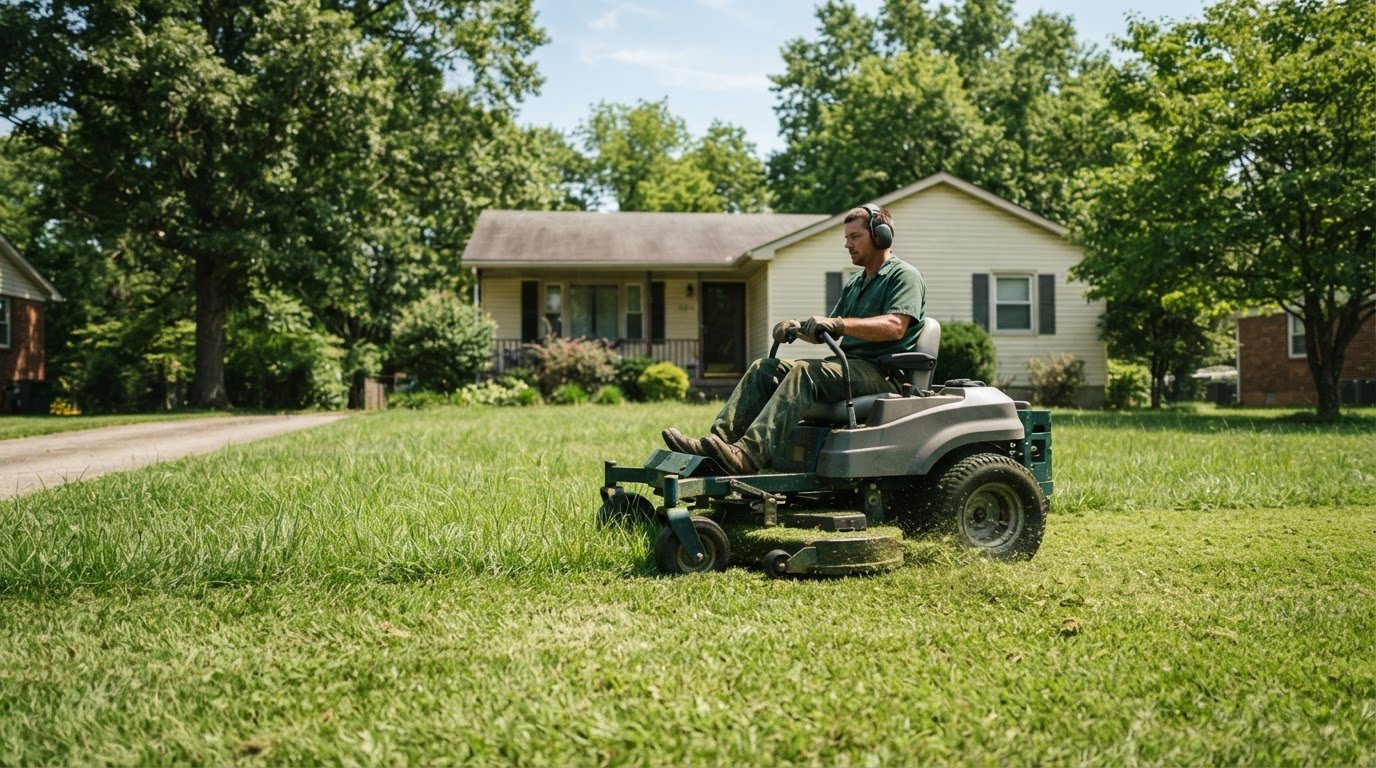
Palisades Outdoor Solutions provides Lawn Care & Mowing for homeowners who want routine upkeep alongside their fertilization decisions. Regular mowing helps keep a lawn orderly, while landscape maintenance supports the broader care of the property. These services complement fertilization but address different needs: mowing manages grass height, while fertilizer supplies nutrients.
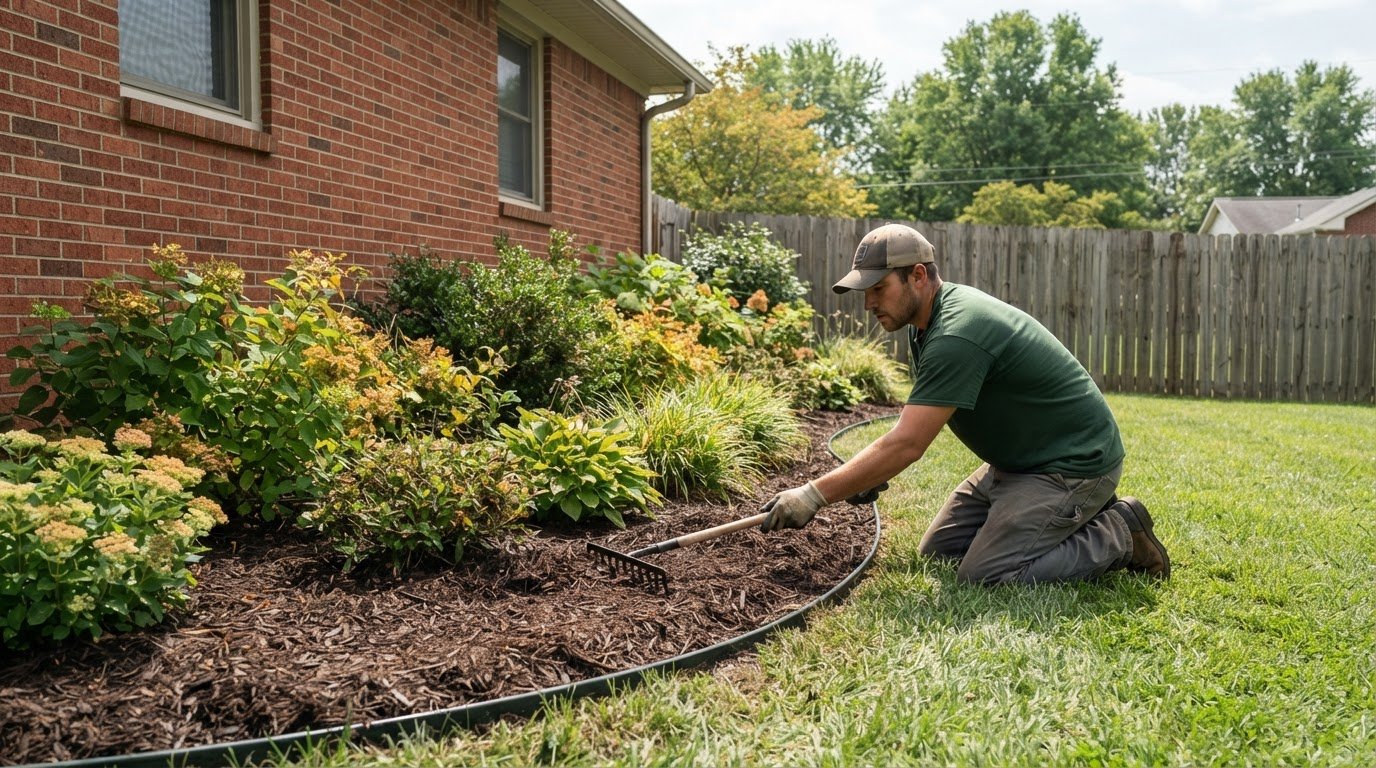
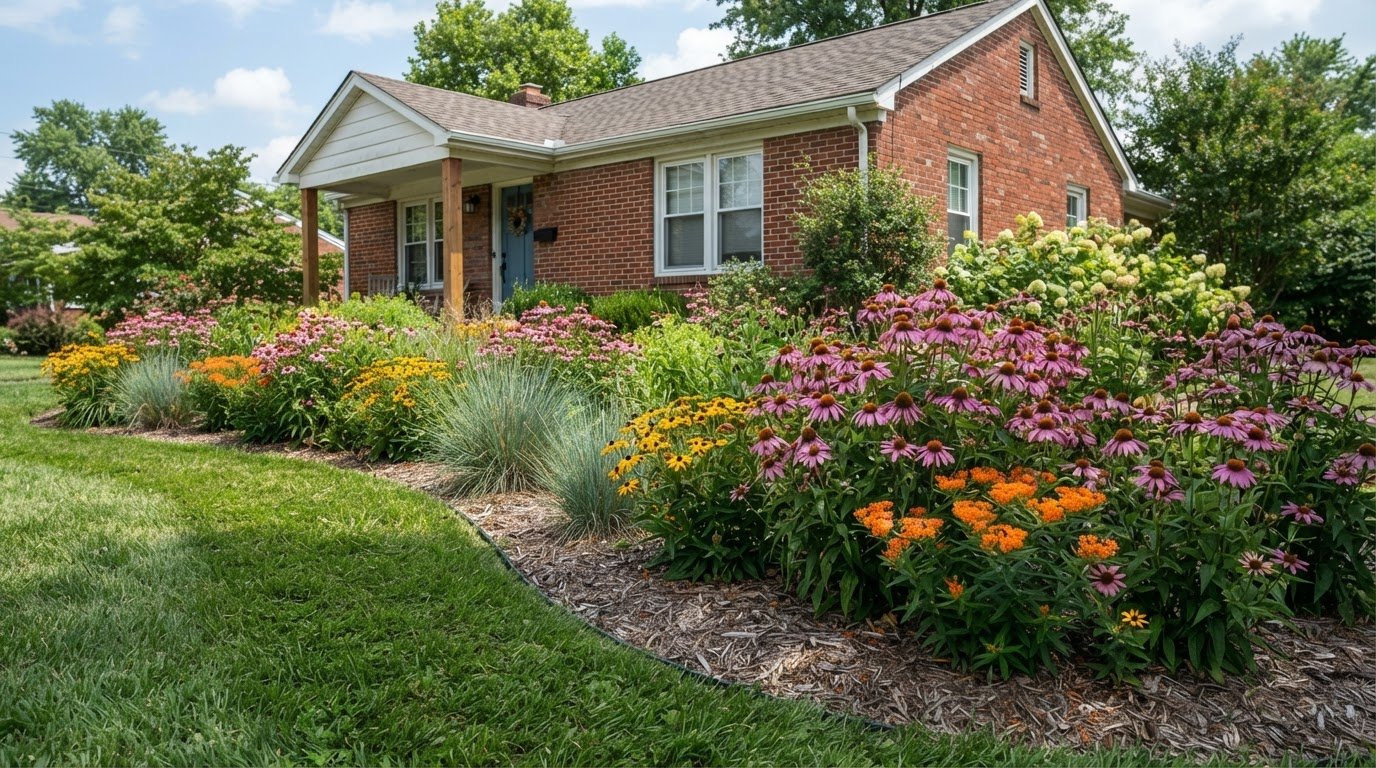
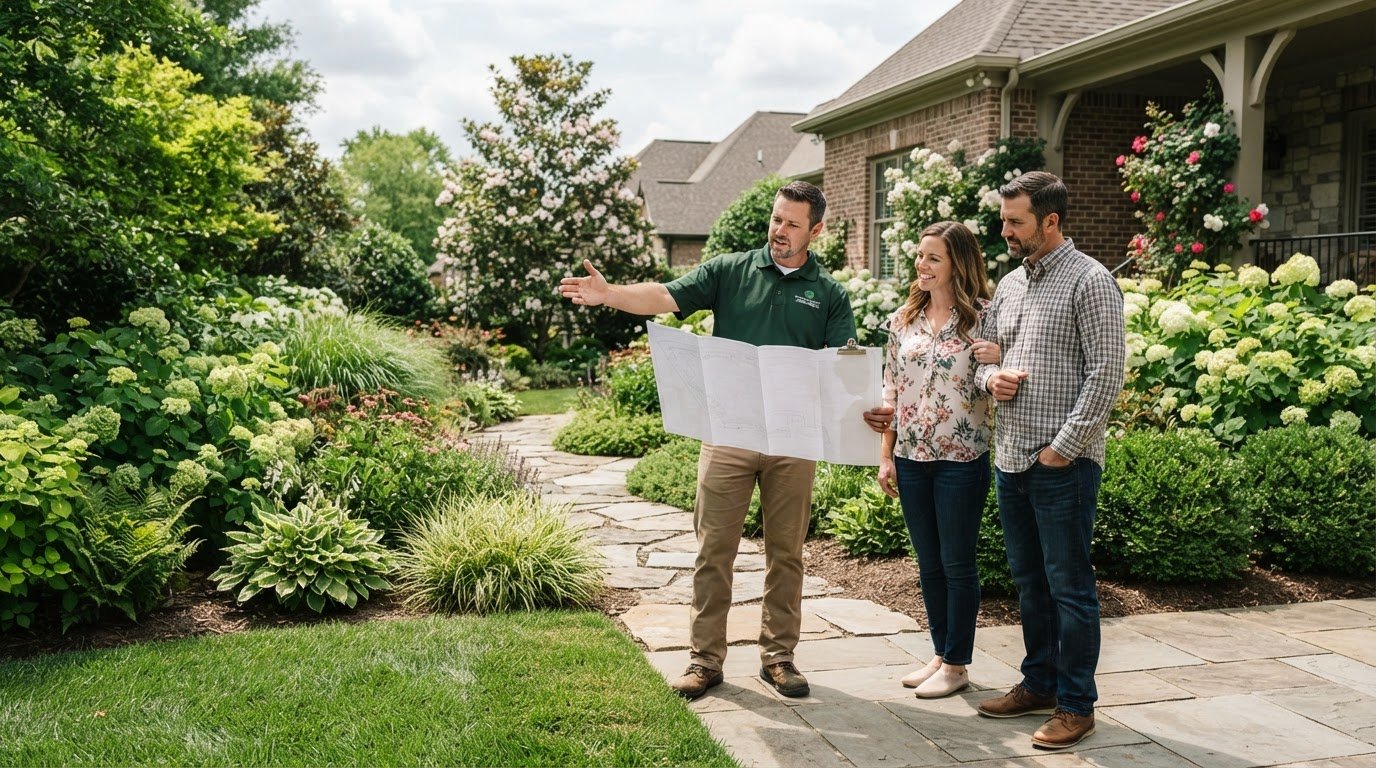
Consider professional lawn care when recurring outdoor tasks take up your time or you want coordinated care for your lawn and landscape. Palisades Outdoor Solutions provides lawn care and mowing, landscape maintenance, mulch and rock installation, and landscape construction. The right fit depends on what your property needs.
Contact Palisades Outdoor Solutions to discuss your lawn and property care needs.
Choose the lawn care approach that fits your routine
Whether professional lawn fertilization is worth it comes down to the role you want lawn care to play in your week. You may prefer managing applications yourself, or you may want seasonal treatments handled as part of a broader property care plan. Either approach can work when it matches your lawn’s needs and the time you have available.
Start by identifying what you want to change: recurring bare areas, a crowded schedule, or uncertainty about the next step. A focused conversation can help connect your priorities with a practical plan, without assuming every property needs the same care. As your lawn changes through the growing season, your approach can adapt.
For help deciding what makes sense for your property, contact Palisades Outdoor Solutions. A clear starting point can make ongoing lawn care feel more manageable and help you move forward with confidence.
Frequently Asked Questions
Can I Fertilize My Own Lawn, Or Should I Hire A Professional?
Yes, you can fertilize your own lawn if you can identify its needs and apply products carefully. A homeowner with a small, uniform lawn, for example, may find DIY manageable. A property with different turf conditions or recurring thin patches can be harder to assess. Consider whether you can choose a suitable product, follow its label, and maintain an appropriate schedule. Professional care is an option if those tasks feel difficult to manage.
How quickly does a lawn show results after starting professional care?
Visible changes take time, and the lawn’s starting condition affects what you notice first. Grass that needs nutrients may respond differently from turf affected by compacted soil, pests, or disease. For example, fertilizer alone won’t necessarily fill an area that’s thin because of soil compaction. Look for gradual changes in color and density, and assess progress across the lawn rather than judging by one patch.
What Happens If I Apply Too Much Fertilizer?
Too much fertilizer can dehydrate grass and cause brown, scorched patches known as fertilizer burn. Excess product may also create uneven growth, with darker strips where spreader passes overlap. If you notice damage after application, don’t add more fertilizer to correct it. The lawn’s response depends on the product, amount applied, weather, and watering. Any further treatment should take the damage and lawn condition into account.
What does professional lawn fertilization include?
Professional fertilization generally involves choosing a treatment for the lawn, applying it evenly, and timing it around grass growth. The work varies by service and property. Palisades Outdoor Solutions provides fertilization through Lawn Care & Mowing, which also includes routine grass cutting, aeration, overseeding, and weed control. The company is licensed and insured, brings expertise, a customer-centric approach, attention to detail, and affordable pricing, and offers a free, no-obligation estimate.
How much does professional lawn fertilization cost per application and per year in the U.S.?
The cost depends on lawn size, location, fertilizer type, grass type, and existing condition. The amount per application and annual total also depend on the schedule and work included. In Nicholasville, Palisades Outdoor Solutions offers a free, no-obligation estimate, so you can compare a plan for your lawn rather than rely on an assumed general figure.
How much does DIY lawn fertilizer cost compared with professional service?
DIY costs include fertilizer, any equipment you need, and ongoing fuel and maintenance. Professional service shifts product application and scheduling to a provider, while the cost depends on lawn size, treatment needs, and service scope. Compare the full set of DIY expenses with a free, no-obligation estimate. Consider your time, too, especially if measuring, applying, and maintaining equipment takes time from other priorities.
How often should lawns be fertilized by grass type and climate?
There isn’t one schedule that suits every lawn. Grass type, climate, soil condition, and seasonal growth all influence when treatments are appropriate. Cool-season and warm-season grasses can have different care needs, so the same calendar routine may not suit both. In Nicholasville, a schedule should account for local growing conditions and the turf’s response. Soil testing can also help determine whether additional nutrients are needed.
What are the risks of overfertilizing a lawn?
Overfertilizing can cause fertilizer burn, uneven growth, and stress that slows turf recovery. Heavy rain can also carry excess nutrients away from the lawn, wasting the application and contributing to runoff. Repeatedly adding fertilizer to discolored grass can worsen the problem if the cause is disease, pests, or another soil issue. A measured application and sound assessment help avoid treating symptoms with excess nutrients.